Summary: Root canal treatment can often instill fear and uncertainty in patients, but understanding essential precautions can significantly enhance the overall experience. This article outlines crucial steps patients should consider to ensure a safe and effective procedure. These precautions revolve around choosing the right dental professional, preparing adequately for the treatment, understanding post-treatment care, and actively engaging in communication with the dental team. By taking these steps, patients can minimize anxiety and improve outcomes during root canal therapy.
1. Choosing the Right Dental Professional
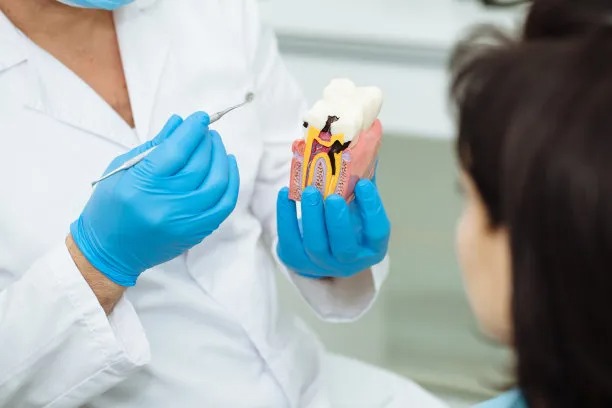
One of the most critical steps before undergoing root canal treatment is selecting a qualified dental professional. Patients should research potential dentists or endodontists thoroughly, looking for credentials, experience, and reviews from previous patients. The choice of practitioner can significantly influence the effectiveness of the procedure and the patients comfort level.
It is also advisable to consult with family and friends to get personal recommendations. A referral from someone who has had a positive experience can be invaluable when choosing the right dentist. Additionally, checking online platforms for patient feedback can provide insights into the practitioners capabilities and patient satisfaction.
Another option is to schedule an initial consultation or interview with the chosen dental professional. This allows patients to ask questions about their experience, discuss the procedure, and gauge how comfortable they feel communicating with the dentist. Establishing a sense of trust is vital for a smooth treatment process.
2. Preparing for the Treatment Day
Preparing for root canal treatment involves several steps to ensure a smooth experience on the day of the procedure. First, patients should gather all necessary documentation, including insurance information, previous dental records, and a list of medications they are currently taking. This information helps the dental team provide the most accurate and effective care.
Next, patients should review any pre-procedure instructions given by their dentist. This may include dietary restrictions or guidelines for taking medications prior to the appointment. Following these instructions can help prevent complications during treatment.
Finally, it’s beneficial to plan the logistics for the day. Arranging transportation to and from the dental office can alleviate stress, especially if sedation will be used during the procedure. Knowing that a ride home is secured allows patients to focus more on their treatment rather than their travel plans.
3. Understanding Post-Treatment Care
Post-treatment care is paramount in ensuring a successful recovery from root canal therapy. Patients should listen carefully to their dentists aftercare instructions, which may include pain management strategies, dietary recommendations, and oral hygiene practices.
Its essential for patients to have pain relief medications ready after the procedure, as discomfort might persist for a day or two. A follow-up appointment might also be scheduled to monitor healing and assess if any further treatment is necessary.
Moreover, maintaining good oral hygiene post-treatment is crucial. This includes brushing gently around the affected tooth and using mouthwash where appropriate. Avoiding certain foods and beverages that may irritate the area can also promote faster healing and reduce discomfort.
4. Effective Communication with Your Dental Team
Establishing open lines of communication with the dental team is vital for a positive root canal experience. Patients should feel empowered to ask questions regarding the procedure, risks involved, and what they can expect during and after treatment.
It’s also important for patients to communicate any concerns or anxiety they may have. Dentists appreciate understanding a patients comfort level and can suggest coping strategies or sedation options to enhance the experience. Transparency ensures that both the patient and the dental team are on the same page.
Additionally, patients should keep the dental team informed about any changes in health status, such as new medications or medical conditions, which could impact the treatment. Clear communication can help avert complications and ensure a tailored treatment plan that meets the patients needs.
Summary:
In conclusion, preparing for root canal treatment involves careful consideration of several essential precautions. From choosing the right dental professional to understanding post-treatment care, these steps are crucial for a successful experience. Open communication with the dental team will significantly enhance trust and comfort, ultimately resulting in better outcomes.
This article is compiled by Vickong Dental and the content is for reference only.