Summary: This article delves into the revolutionary advancements in dental implant treatment, emphasizing the integration of cutting-edge techniques and technologies that significantly enhance smile restoration. By examining the impact of 3D imaging, guided implant surgery, biocompatible materials, and patient-centered approaches, we explore how these innovations contribute to optimal outcomes for patients seeking restoration of their dental aesthetics and functionality. Each section not only highlights the technical advancements but also the implications for patient comfort, recovery time, and long-term satisfaction, marking a transformative shift in modern dentistry.
1. The Role of 3D Imaging in Planning

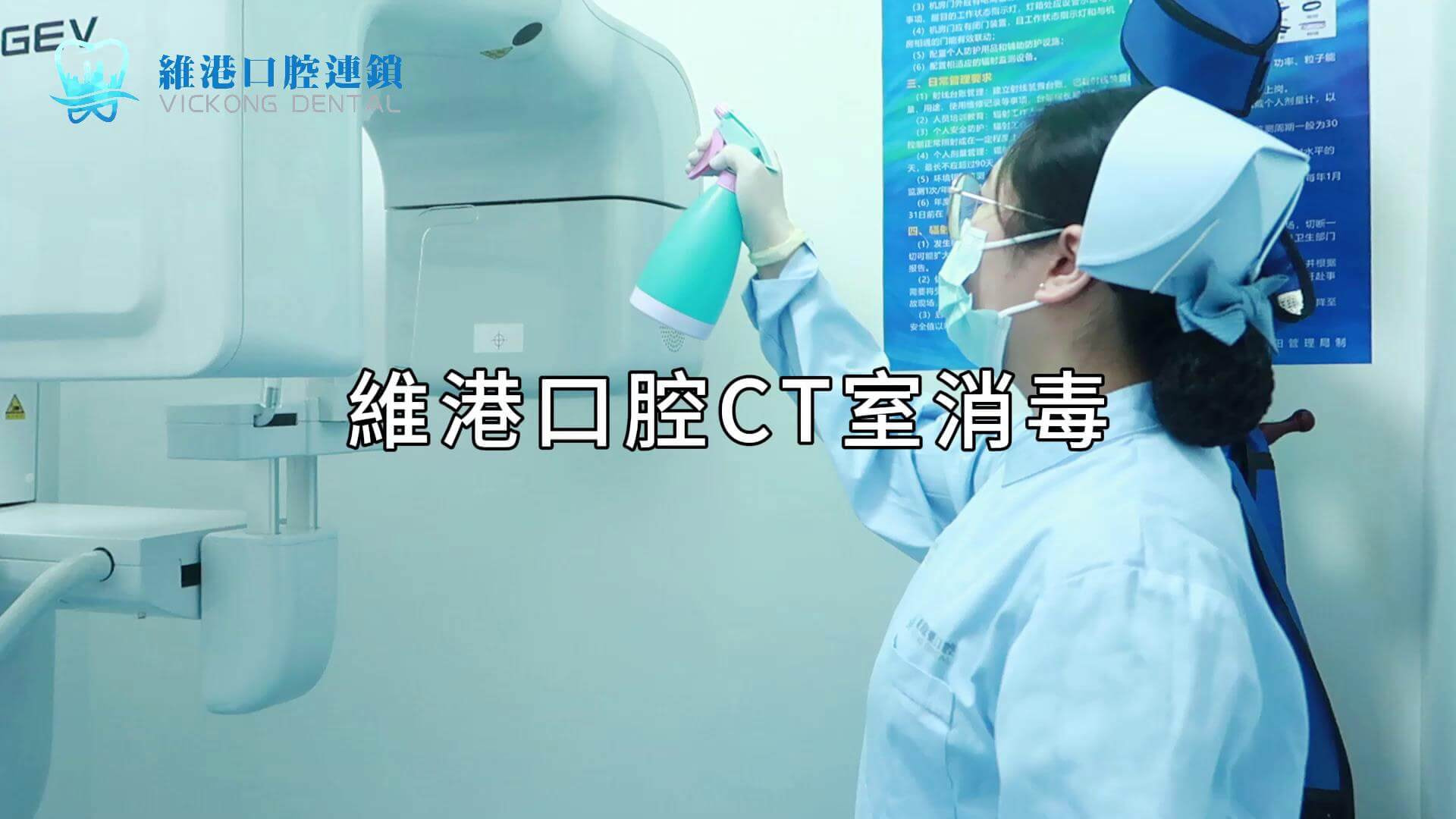
In contemporary dental practices, 3D imaging has redefined the way dental implants are planned and executed. This technology allows dentists to visualize the dental anatomy in a three-dimensional space, contributing to more accurate diagnoses and treatment plans. With detailed insights into the bone structure and the positioning of adjacent teeth, practitioners can optimize implant placement.
The precision offered by 3D imaging minimizes the potential for surgical complications. By creating a virtual blueprint of the patient’s mouth, dentists can foresee challenges and tailor solutions more effectively than traditional 2D imaging methods. This foresight is especially critical for patients with unique anatomical considerations.
Furthermore, the clarity provided by 3D imaging enhances communication between dental professionals and patients. Utilizing vivid visual aids, practitioners can demonstrate the procedure steps and expected outcomes, ensuring that patients are well-informed and comfortable throughout their treatment journey.
2. Guided Implant Surgery for Precision
Guided implant surgery complements 3D imaging by facilitating an incredibly precise placement of dental implants. Using surgical guides generated from the patients 3D scans, dentists can position the implants accurately according to predetermined plans. This technique significantly reduces variability during surgery, leading to more consistent and favorable results.
Moreover, the guided approach typically minimizes the invasiveness of the procedure. Patients often experience less discomfort and shorter recovery times, as the surgery can be performed with fewer incisions. The precision ensures preservation of surrounding tissues, which is paramount to patient comfort and healing.
The educational aspect is also transformed by guided procedures. Patients gain a deeper understanding of the surgical process, boosting their confidence and reducing anxiety. Improved planning and execution translate to higher satisfaction rates, demonstrating the value of adopting advanced techniques in everyday dental practice.
3. Biocompatible Materials Enhancing Longevity
The advent of advanced biocompatible materials has been a game-changer in dental implant treatment. Materials such as titanium and newer composites exhibit exceptional compatibility with human biology, promoting successful osseointegration—where the bone grows and attaches directly to the implant.
These materials not only enhance the durability of the implants but also reduce the risk of rejection and complications. With advancements allowing for customized implants tailored to the patients specific biology, the time taken for healing is also significantly decreased, leading to quicker returns to normal functions.
Furthermore, the esthetic properties of these materials have evolved substantially. Today, patients enjoy implants that not only serve functional purposes but also mimic the natural appearance of teeth. This aesthetic integration is crucial for patient satisfaction, especially for those seeking restoration in visible areas of the mouth.
4. Patient-Centered Approaches in Treatment
The shift towards patient-centered care in dental practices is reflective of broader trends in healthcare, emphasizing the importance of considering patient preferences and experiences in treatment planning. Engaging patients in discussions about their desires and concerns ensures that their specific needs are addressed throughout the process.
Incorporating feedback from patients has led to advancements in comfort measures. Techniques like sedation dentistry have been refined, allowing for a more enjoyable experience during implant procedures. Such considerations dramatically reduce anxiety levels, making dental visits more accessible and less daunting for individuals.
Moreover, follow-up care and ongoing support play a critical role in patient satisfaction. Ensuring patients understand their post-surgical care and providing them a reliable support system fosters trust and encourages accountability in maintaining their oral health, ultimately resulting in enhanced outcomes.
Summary:
In summary, the revolutionizing of smile restoration through advanced dental implant treatment combines innovative technologies and a deep understanding of patient needs. Techniques such as 3D imaging and guided surgery, along with the usage of biocompatible materials and a patient-centered approach, collectively create a landscape where dental outcomes are optimized. This integration not only improves the clinical aspects of dental implantology but also enriches the overall patient experience.
This article is compiled by Vickong Dental and the content is for reference only.