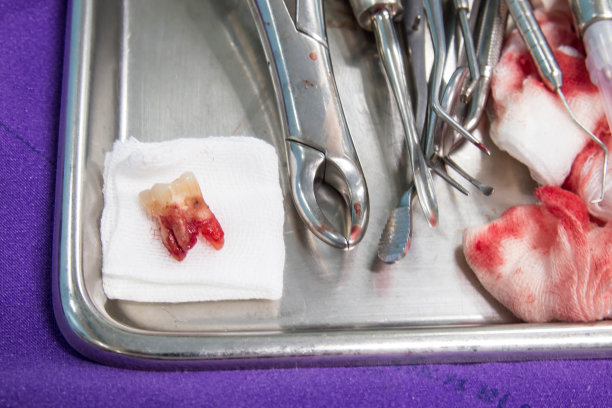
Summary: Tooth extraction is a common dental procedure that can seem daunting for many patients. Understanding the entire process and the subsequent recovery phase is essential for a smooth experience. This guide will delve into four critical aspects: the reasons for tooth extraction, the procedure itself, post-extraction care, and potential complications during recovery. By highlighting what to expect before, during, and after the extraction, this guide aims to reassure patients and provide valuable insights to promote effective healing.
1. Reasons for Tooth Extraction
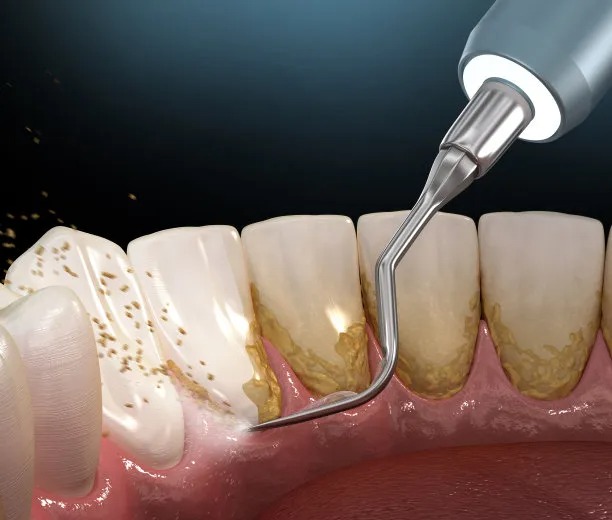
Tooth extraction may be necessary for a variety of reasons. One of the most common reasons is severe tooth decay that compromises the integrity of a tooth, making it impossible to save through other means like filling or root canal therapy. When decay extends deep into the tooth or affects the surrounding bone, extraction may be the best option to alleviate pain and prevent infection.
Another prevalent reason for extraction is periodontal disease, a condition characterized by the inflammation and infection of the gums. If the disease progresses, it can lead to the loosening of teeth, necessitating extraction to maintain oral health. In cases where there isnt enough space for wisdom teeth, extraction can help prevent crowding and misalignment in the mouth.
Additionally, orthodontic treatments may require tooth extractions to create more space for teeth repositioning. This may be advisable in the case of overcrowding, ensuring that the remaining teeth have ample room to align properly as part of the overall treatment plan.
2. Tooth Extraction Procedure
The tooth extraction procedure typically begins with a thorough examination and an X-ray to assess the tooths condition. After determining the best course of action, the dentist will numb the area with a local anesthetic. For more complex extractions, such as surgical removals, sedation may be an option to ensure the patients comfort during the procedure.
Once the area is numb, the dentist will gently loosen the tooth with specialized dental tools. For simple extractions, the tooth is usually visible above the gum line. However, surgical extractions may involve incisions in the gum to access the tooth that may be impacted below the surface.
Once the tooth is removed, the dentist will clean the area to ensure no debris remains. They might apply a gauze pad to control bleeding and may give instructions on managing post-operative discomfort. Following the procedure, it’s crucial for patients to adhere to the dentist’s aftercare guidelines to promote healing.
3. Post-Extraction Care Requirements
Post-extraction care is vital to reduce the risk of complications and ensure a successful recovery. Patients should keep the gauze pad in place for about 30 to 45 minutes after the procedure to help control bleeding. Its essential to avoid rinsing forcefully or sucking on straws for the first 24 hours to protect the blood clot that forms in the socket.
Managing pain and swelling is an essential part of recovery. Using prescribed or over-the-counter pain relief medication can ease discomfort, while applying an ice pack to the facial area can help reduce swelling. Patients are often advised to rest for the first day and avoid strenuous activities to allow the body to heal effectively.
Diet plays a crucial role in recovery as well. Soft foods like yogurt, mashed potatoes, and smoothies are recommended for at least the first few days. Staying hydrated is also important, but its best to avoid carbonated beverages and alcohol during the initial healing phase. A gradual return to normal eating habits can begin as the healing progresses.
4. Potential Complications During Recovery
While tooth extraction is generally safe, there are potential complications that patients should be aware of. One common issue is dry socket, a painful condition that occurs when the blood clot dislodges or dissolves before the wound has fully healed. Symptoms include extreme pain and a foul odor coming from the extraction site. Prompt treatment is necessary to alleviate discomfort.
Infection is another risk following a tooth extraction. Symptoms may include increasing pain, swelling, fever, or pus discharge from the extraction site. If any of these symptoms arise, contacting the dentist for further evaluation is crucial.
Finally, there may be numbness in the area if a nearby nerve was affected during the procedure. While this numbness is often temporary, some cases can lead to persistent sensations. It’s important for patients to discuss any unusual symptoms during follow-up appointments to ensure proper care and management.
Summary:
Understanding the reasons for tooth extraction is essential for patients considering the procedure, as various dental issues might necessitate such a decision. The extraction process itself is straightforward, and following it, appropriate post-operative care is vital to ensure healing. Being aware of potential complications can prepare patients for a smoother recovery experience.
This article is compiled by Vickong Dental and the content is for reference only.