Summary: This article serves as a comprehensive guide for safely extracting a tooth and understanding the subsequent recovery process. It begins with an overview of when a tooth extraction might be necessary, followed by a detailed explanation of the extraction procedure, aftercare, and common recovery challenges. Each section provides valuable insights and practical advice to ensure a smooth experience, both during the extraction and throughout the healing process. By the end, readers will have a clearer understanding of what to expect and how to facilitate optimal recovery.
1. Understanding When Tooth Extraction is Necessary
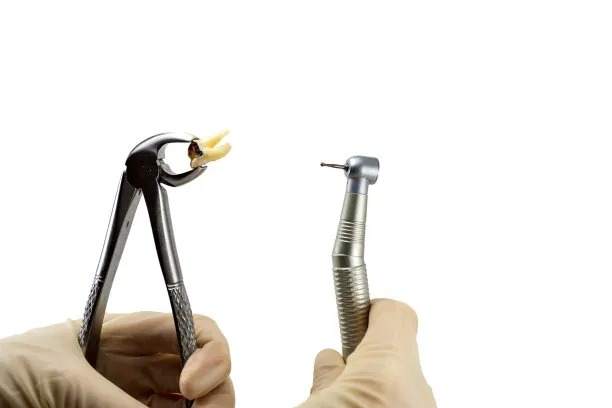
Tooth extraction may seem daunting, but there are several instances when it becomes essential. Common reasons include severe dental decay, advanced periodontal disease, and overcrowded teeth. In cases of trauma, where the tooth is chipped or fractured beyond repair, extraction is often the only solution to relieve pain and restore oral health.
Another circumstance that may warrant tooth removal is an impacted wisdom tooth. As these teeth attempt to erupt, they can cause pain and lead to infection if theres not enough space in the jaw. In such cases, a dentist will recommend extraction to prevent complications in the future.
Also, certain medical conditions may necessitate the removal of teeth to prevent further health issues. These can include radiation therapy for head and neck cancers or certain immunocompromised states, where an extraction could minimize additional health risks.
2. The Tooth Extraction Procedure Explained
The extraction process begins with a thorough evaluation by a dental professional. They will take X-rays to determine the tooths position and assess the surrounding bones and tissues. Once the evaluation is complete, the dentist will discuss the appropriate anesthesia options, which can range from local anesthesia to sedation, ensuring the patient feels comfortable throughout the procedure.
During the extraction, the dentist carefully loosens the tooth by using specialized instruments, which may cause some pressure but shouldnt be painful. If the tooth is impacted, additional techniques may be utilized, requiring a more complex procedure. After the tooth is removed, the dentist will clean the area and may place a stitch to promote healing.
Post-extraction, the dentist will provide instructions to manage pain and reduce the risk of infection. It is critical to follow these guidelines closely, as they are tailored to ensure a safe recovery while minimizing discomfort.
3. Aftercare Tips for a Smooth Recovery
Recovering from tooth extraction is a crucial aspect of the process. Immediately following the procedure, patients are advised to bite down on gauze to control bleeding. Its important to change this gauze as directed until bleeding subsides, typically within a few hours. Maintaining pressure on the extraction site promotes clot formation, a critical step in healing.
Patients should also take note of their post-operative diet. Soft foods and plenty of fluids are recommended for the first few days. It’s advisable to avoid hard, spicy, or hot foods that could irritate the extraction site. Gradually, patients can reintroduce more substantial foods as they begin to heal.
Pain management plays a vital role in recovery. Over-the-counter pain medications or prescriptions provided by the dentist should be taken as recommended. Additionally, patients should keep their heads elevated to minimize swelling, applying ice packs intermittently to further alleviate discomfort.
4. Recognizing Common Recovery Challenges
Despite following care instructions, some patients may experience complications during recovery. Dry socket is a common issue that occurs when the blood clot at the extraction site dislodges, exposing underlying tissues. This condition can lead to severe pain and requires additional treatment from a dentist.
Infection is another potential complication. Signs of infection may include excessive swelling, pus discharge, fever, or increasing pain. If any of these symptoms arise, patients should contact their dental professional promptly for evaluation and treatment.
Finally, while some discomfort is normal, it’s crucial for patients to be aware of their body’s signals. If pain becomes unbearable or unusual symptoms develop, seeking immediate dental advice is necessary to avoid further complications and ensure a healthy recovery.
Summary:
Tooth extraction is a medical procedure that can be essential for maintaining overall oral health. Understanding when its necessary, the extraction procedure, aftercare tips, and common recovery challenges is integral to ensuring a positive experience. By following the guidelines listed, patients can greatly reduce the risk of complications and promote healing effectively.
This article is compiled by Vickong Dental and the content is for reference only.