Summary: Extracting a tooth is a common dental procedure often necessitated by decay, injury, or overcrowding. This article serves as a comprehensive guide that outlines essential steps for tooth extraction and offers valuable aftercare techniques to promote optimal oral health. We will explore necessary preparations and considerations before the procedure, delve into the extraction process itself, discuss crucial aftercare strategies, and review potential complications alongside their resolutions. Such knowledge not only empowers individuals to manage their dental health but also encourages responsible post-operative practices. Overall, following these guidelines can lead to a smoother recovery and help maintain long-term oral hygiene.
1. Preparation for Tooth Extraction

Before a tooth extraction, adequate preparation is essential to ensure safety and effectiveness. This process begins with a comprehensive dental examination, where the dentist evaluates the tooths condition and documents the patients medical history. Understanding any pre-existing health conditions helps mitigate risks during extraction, especially with patients on anticoagulant medications or those with certain chronic illnesses.
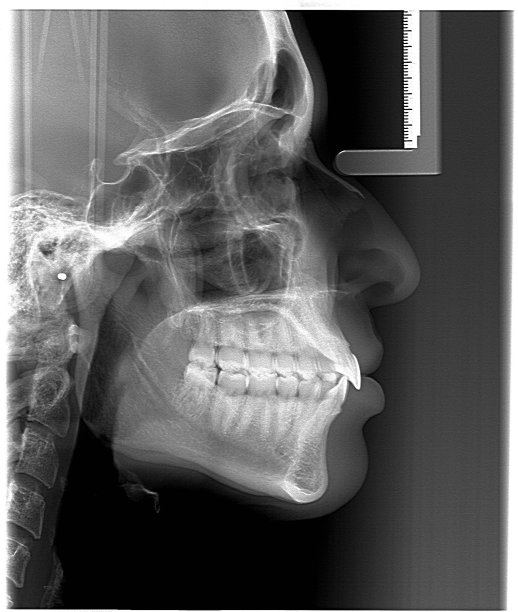
Next, imaging techniques, such as X-rays, can provide a clear view of the tooth position and root structure. This aids the dentist in planning the extraction method and anticipating potential complications, allowing for a tailored approach. Patients should also discuss anxieties with their dentist, who can provide sedation options to enhance comfort during the procedure.
Finally, having a trusted person accompany you to the appointment is vital, especially if sedation is administered. After the procedure, it’s essential to have someone available for transportation and assistance, making the overall experience smoother and less stressful.
2. Understanding the Tooth Extraction Process
The actual tooth extraction can vary based on the complexity of the situation, including whether it is a simple or surgical extraction. In a simple extraction, the dentist uses specialized tools to loosen and remove the tooth from its socket. For a surgical extraction, often necessitated by impacted teeth, incisions may need to be made in the gum tissue.
Throughout the extraction procedure, anesthesia plays a crucial role in ensuring the patient does not feel pain. Local anesthesia is commonly used, while sedation techniques can be considered for anxious patients. Proper administration of anesthesia is crucial in helping patients remain calm and comfortable.
After the tooth is successfully extracted, the dentist will provide specific instructions on managing the extraction site and caring for oneself in the immediate aftermath. Clear guidance helps patients understand what to expect and how to align their recovery with their lifestyle.
3. Aftercare Strategies for Post-Extraction Healing
Post-extraction care is paramount for effective healing and to prevent complications such as dry socket. Initially, it is crucial to bite down on gauze to control bleeding, promoting clot formation. Patients should avoid strenuous activities and refrain from using straws or sucking motions for the first few days to help maintain the clot.
Maintaining proper oral hygiene during recovery is essential but should be approached carefully. Patients should gently rinse their mouth with warm salt water after 24 hours to reduce the risk of infection. Brushing should be avoided on the extraction site to prevent dislodging any healing tissue.
Monitoring for any abnormal symptoms, such as increased pain or swelling, is necessary. Should any concerns arise, contacting a dentist promptly can prevent complications. Following aftercare instructions diligently not only fosters recovery but sets the stage for improved oral health.
4. Recognizing and Addressing Complications
Despite best efforts in preparation and aftercare, complications may arise after a tooth extraction. The most common issue is dry socket, where the blood clot at the extraction site dissolves or dislodges, exposing bone and nerve endings. This condition can cause significant pain and requires immediate dental attention for effective treatment.
Other potential complications include excessive bleeding or infection. Watching for signs of persistent bleeding, swelling, or signs of pus can alert patients to seek assistance. Infections can often be managed with prescribed antibiotics, and further care may include drainage at the extraction site.
Understanding these potential complications empowers patients to act promptly and effectively. When addressed early, complications can often resolve without significant impact on recovery.
Summary:
This article highlights the essential steps for tooth extraction and reinforces the importance of proper aftercare techniques. Knowing how to prepare for the procedure, what to expect during the extraction, caring for oneself afterward, and being aware of potential complications can lead to a smoother recovery and better long-term oral health.
This article is compiled by Vickong Dental and the content is for reference only.