Summary: Extracting a tooth safely and effectively is a crucial procedure that requires careful planning and execution. This article delves into the vital steps and considerations that dental professionals must take into account to ensure optimal patient safety and minimize complications. It examines the importance of patient assessment, the techniques used during extraction, post-operative care, and managing potential complications. Each section highlights critical aspects that contribute to a successful tooth extraction process, aiming to empower both dental practitioners and patients with essential knowledge. By understanding these key elements, practitioners can offer a seamless extraction experience that prioritizes the well-being of the patient.
1. Importance of Patient Assessment Before Extraction

Before any tooth extraction, a thorough patient assessment is vital. This process begins with gathering the patients medical history, including any underlying health conditions, allergies, and current medications. By understanding the patient’s overall health, the dental professional can identify any potential risks that could complicate the extraction.
Additionally, evaluating the specific dental issue is crucial. X-rays may be employed to determine the tooths position, the condition of surrounding teeth, and the health of the jawbone. This diagnostic imaging aids in planning the extraction method, whether it be simple or surgical.
Lastly, effective communication with patients to address any concerns or fears is essential. Providing clear information about the procedure helps alleviate anxiety and prepare the patient mentally for the experience ahead.
2. Techniques for Safe Tooth Extraction
Once an assessment is complete, the extraction technique must be tailored to the specific case. In a straightforward extraction, local anesthesia is administered, ensuring that the patient feels no pain during the procedure. Proper anesthesia administration is critical for the success of the extraction.
For surgical extractions, which involve more complicated cases such as impacted teeth, additional techniques might be necessary. This may include incisions into the gum tissue or the removal of bone surrounding the tooth. Understanding the optimal tools and methods is vital for ensuring minimal trauma to the surrounding tissues.
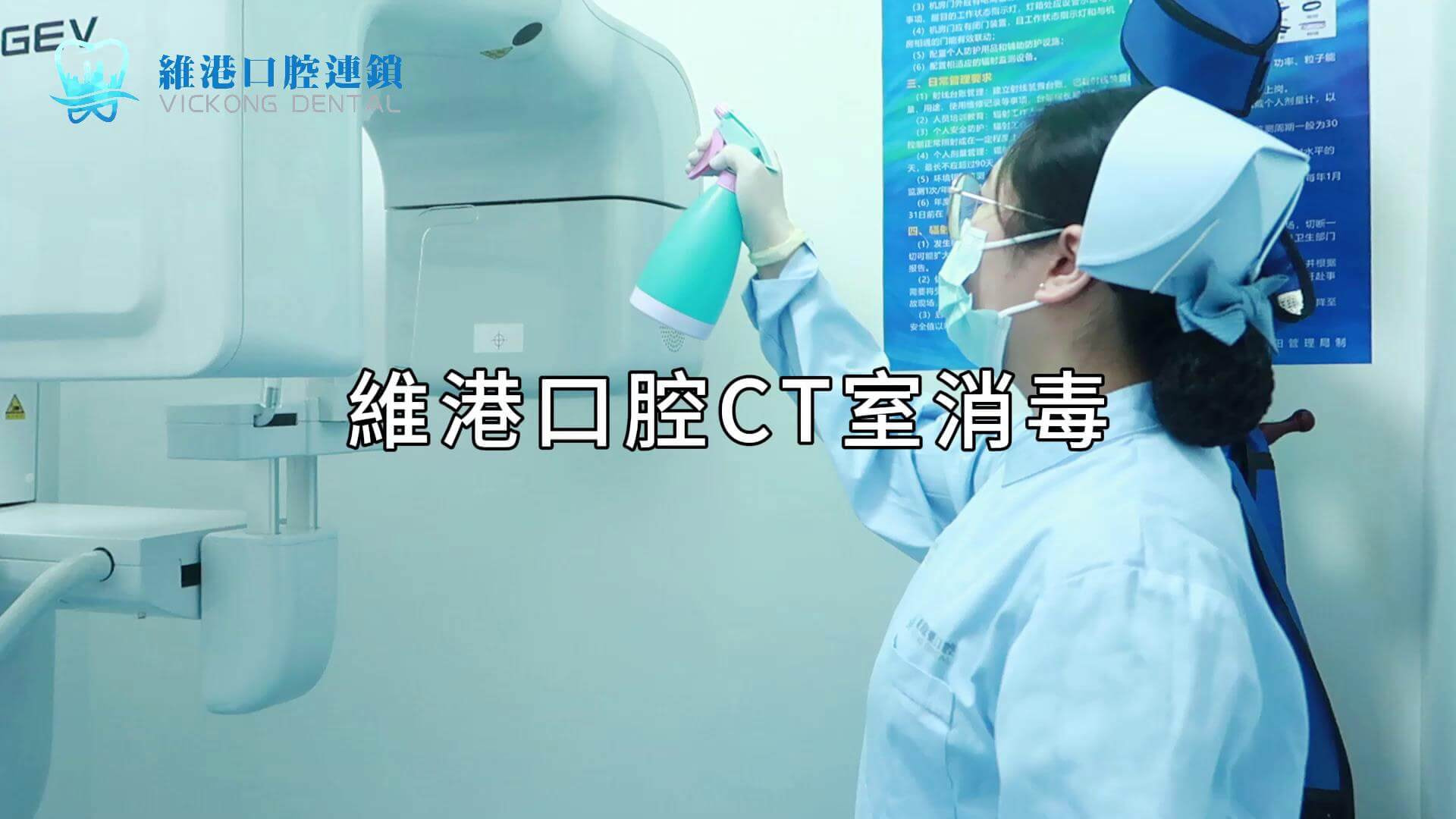
Throughout the extraction process, maintaining a sterile environment is paramount. This reduces the risk of infections and promotes quicker healing. Practitioners should follow strict hygiene protocols, utilizing gloves and sterilized instruments to enhance patient safety.
3. Post-Operative Care and Instructions
After a tooth extraction, proper post-operative care is critical for effective healing. The dental professional should provide the patient with clear instructions on how to care for the extraction site, including things to avoid like strenuous exercise, sucking actions, or smoking.
The significance of ice packs cannot be overstated. Applying ice to the affected area can mitigate swelling and discomfort for the first 24 hours. Additionally, over-the-counter pain relievers and prescribed medications should be discussed to manage any post-extraction pain effectively.
Follow-up appointments are also essential in assessing the healing process and addressing any complications, such as infection or dry socket. Patients should be encouraged to reach out if they experience unusual symptoms, ensuring prompt attention to any concerns.
4. Managing Potential Complications Post Extraction
While many tooth extractions go smoothly, complications can arise. Awareness of possible issues is vital for any dental practitioner. One common complication is dry socket, which occurs when the blood clot at the extraction site becomes dislodged. This condition can lead to severe pain and delayed healing.
Infection is another potential risk. Signs of infection may include increased pain, swelling, and the presence of pus. Promptly recognizing and treating infections with antibiotics is crucial in preventing further health issues.
Lastly, practitioners should monitor for any unexpected bleeding beyond standard post-extraction bleeding. Continuous bleeding may indicate a clotting issue that requires medical intervention. By actively addressing these potential complications, practitioners can ensure a smooth recovery for their patients.
Summary:
To successfully extract a tooth, it is imperative to carry out a comprehensive patient assessment, choose the right extraction technique, provide diligent post-operative care, and manage any complications that may arise. Each of these steps plays a vital role in ensuring the procedure is both safe and effective, highlighting the importance of an informed and methodical approach by dental professionals.
This article is compiled by Vickong Dental and the content is for reference only.