Summary: Extracting a tooth can be a daunting experience, whether performed at home or in a dental office. This comprehensive guide delves into the essential steps and considerations involved in tooth extraction, emphasizing safety and effectiveness. It includes insights into preparation, the actual extraction process, post-operative care, and when to seek professional help. By following these guidelines, individuals can ensure a safer extraction, reducing the risk of complications. Whether you are a layperson or a dental practitioner, understanding these aspects can contribute to a smoother tooth extraction experience.
1. Preparing for Tooth Extraction Safely
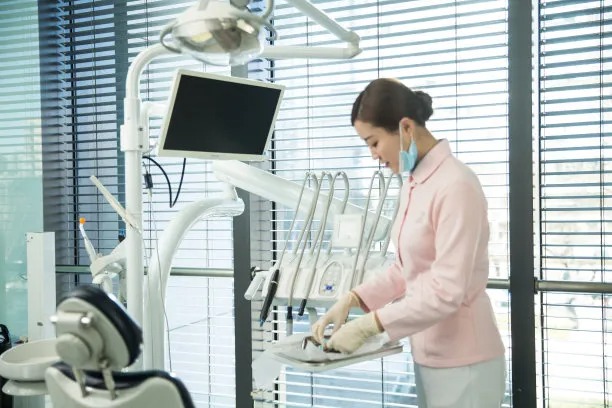
Before considering extracting a tooth, adequate preparation is crucial. Identifying the type of tooth and understanding its condition helps determine the urgency and appropriateness of the extraction. It is advisable to consult with a dental professional to evaluate if extraction is indeed the best option, especially for those who may have pre-existing health conditions.
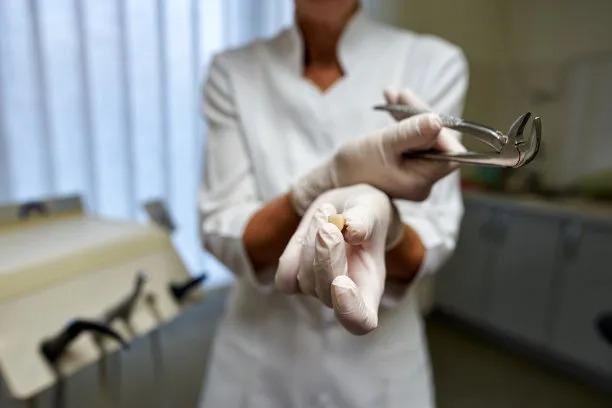
Gathering the necessary tools and essentials is the next step. Proper instruments include dental forceps, gauze, antiseptic solutions, and pain relief medications. These tools can be found in dental supply stores. Ensuring that all materials are sterile will significantly reduce the risk of infections.
Lastly, its vital to create a comfortable and safe environment. If the extraction is taking place at home, ensure the area is well-lit and free from disturbances. If in an office setting, confirm that everything is in order and that emergency protocols are in place should complications arise.
2. The Steps of the Tooth Extraction Process
The extraction process should begin with anesthesia to minimize pain. This can be local anesthesia in an office setting or over-the-counter pain relief for home extractions, depending on the method used. Proper numbing significantly eases the patient’s discomfort.
Once the area is numb, the actual extraction can begin. For dental professionals, using the appropriate technique is essential, which includes loosening the tooth with forceps and removing it gently. For home extractions, its important to apply gentle pressure and avoid excessive force to prevent damage to surrounding gums and teeth.
After the tooth is successfully extracted, proper cleaning of the area is crucial. Rinsing with saltwater can help prevent infection. Applying gauze and ensuring there is adequate pressure to stem bleeding is also vital in this phase. Maintaining calm and managing discomfort is important to the individuals recovery process.
3. Post-Extraction Care for Optimal Recovery
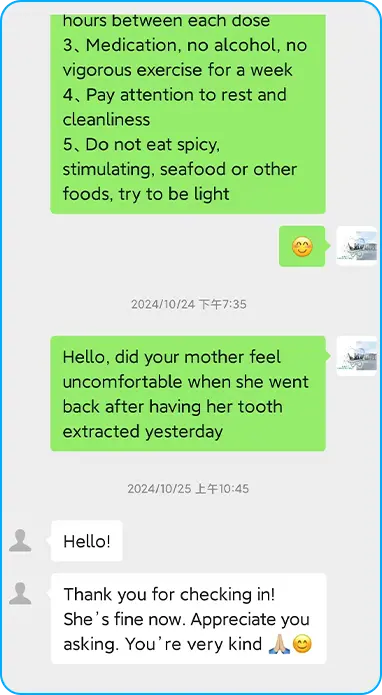
Post-extraction care plays a crucial role in healing. It’s important to follow detailed aftercare instructions to promote recovery. This can include resting, avoiding strenuous activity, and sticking to a soft foods diet, which helps minimize discomfort and promotes healing of the gums.
Additionally, individuals should remain alert for signs of complications, such as prolonged bleeding, swelling, or fever. If these occur, seeking medical attention promptly is essential. Monitoring hydration levels and taking prescribed pain medications as directed will also ease the recovery process.
Maintaining good oral hygiene post-extraction is vital, but care should be taken not to disturb the extraction site. Gentle rinsing with saltwater can promote healing without putting additional pressure on the gums. Regular check-ins with a healthcare provider can ensure that recovery is on track.
4. When to Seek Professional Dental Help
There are instances where professional intervention is necessary, despite initial attempts for home extraction. If the tooth is impacted or broken crack while being extracted, the individual should seek immediate professional help to avoid further complications.
Moreover, if post-operative symptoms worsen instead of improving over time, it’s crucial to consult a dentist. Signs like intense pain, excessive bleeding, or fever after the procedure may indicate infection or other issues that require professional treatment.
Listening to ones body is key. If uncertainty arises about any aspect of the extraction process or its aftermath, professional dental advice should always be sought. This can prevent complications and ensure that necessary interventions are administered promptly.
Summary:
In conclusion, safely extracting a tooth, whether at home or in a dental setting, requires careful planning, execution, and aftercare. By focusing on preparation, adhering to the proper procedures, and following up with self-care, individuals can enhance their experience and promote recovery. Knowing when to seek professional help is just as important and can stave off potential problems down the line.
This article is compiled by Vickong Dental and the content is for reference only.