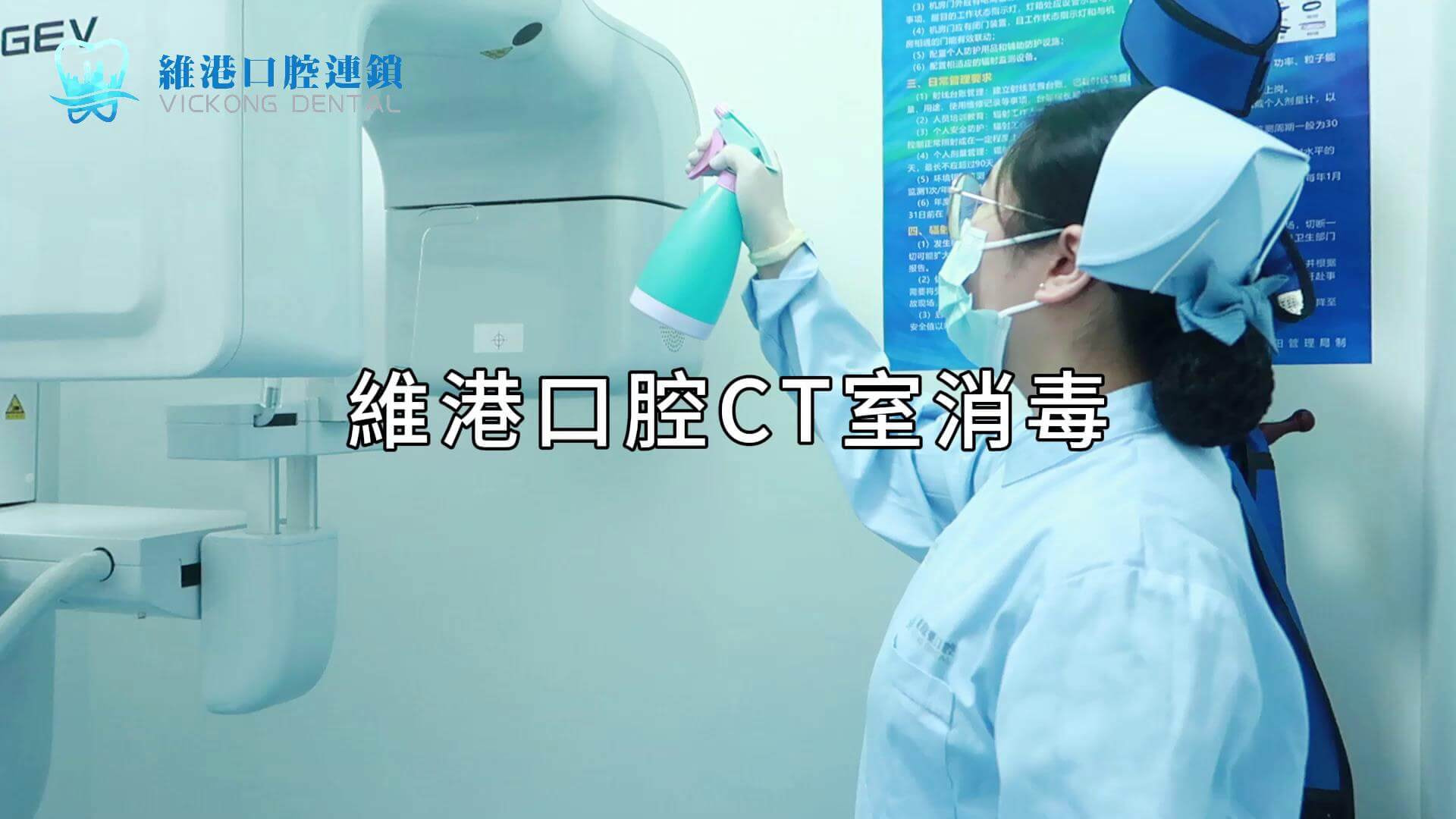
Summary: Extracting a tooth may seem daunting, but with the right guidelines and understanding, it can be accomplished safely and effectively. This comprehensive guide focuses on the essential steps involved in tooth extraction, from preparation and anesthesia to post-operative care. It highlights the importance of consulting a dental professional, understanding potential risks, and ensuring optimal healing for dental health outcomes. Readers will find detailed insights into each stage of the extraction process, empowering them with knowledge for better decision-making regarding their dental care.
1. Preparation and Consultation Process

Before any tooth extraction, thorough preparation is crucial. Patients should schedule an appointment with their dentist to discuss the need for extraction and understand the reasons behind it. This initial consultation serves as a chance to evaluate the tooths condition through X-rays and determine the best course of action.
During this preparatory stage, the dentist will review the patients medical history, including any medications they may be taking. This information is vital because certain medications can affect the body’s healing process or increase the risk of complications during the extraction procedure.
Furthermore, patients must be made aware of the various types of extractions—simple and surgical—based on the complexity of the case. Having a clear understanding of what to expect can alleviate anxiety and foster better cooperation between the patient and the dental team.
2. Anesthesia and Pain Management Techniques
To ensure a comfortable extraction experience, anesthesia plays a pivotal role. Dentists typically administer local anesthesia to numb the specific area surrounding the tooth, which minimizes pain during the procedure. For patients with heightened anxiety or more complex extractions, sedation options may also be recommended.
Beyond anesthesia, effective pain management is essential to the overall process. Dentists often provide patients with pain relief methods, including over-the-counter medications, to manage discomfort post-extraction. Understanding pain management strategies can help reduce anxiety about the pain associated with tooth extraction.
In some cases, dentists may also discuss alternatives to extraction if the situation allows, such as restorative procedures. This dialogue helps patients feel more engaged in their dental health decisions while emphasizing the importance of managing pain throughout the process.
3. The Tooth Extraction Procedure Steps
Once the preparation and pain management steps are secured, the actual extraction can take place. The dentist will begin by ensuring the patient is comfortable and the area is thoroughly numbed. Then, using specialized instruments, the practitioner will loosen the tooth from its socket.
The removal of the tooth usually requires a gentle rocking motion to free it adequately. Once the tooth is extracted, the dentist will take the time to clean the socket and may decide to place stitches if necessary, aiding in healing and minimizing bleeding.
It’s important to note that during this step, the dentist must maintain a sterile environment and adhere to safety protocols to prevent infection. Clear communication with the patient throughout this stage reassures them and ensures they feel supported during this critical phase of the procedure.
4. Post-Extraction Care and Recovery Tips
After the tooth is extracted, post-operative care is crucial for optimal recovery and health outcomes. The dentist will provide detailed instructions on how to care for the extraction site, including dietary recommendations, such as sticking to soft foods for a few days.
Moreover, avoiding activities that could lead to dislodging the blood clot forming in the socket is essential. Patients should refrain from using straws, smoking, or engaging in vigorous physical activity for a specific period to promote healing.
Regular follow-up appointments may also be necessary to monitor the healing process. Patients should be encouraged to report any unusual symptoms, such as severe pain or prolonged bleeding, to their dentist promptly. Following these guidelines will ensure the best possible recovery and prevent complications.
Summary:
In conclusion, safely extracting a tooth requires proper preparation, effective pain management, skillful execution of the extraction procedure, and diligent post-operative care. By understanding each aspect of the process, patients can alleviate fears and participate actively in their dental health journey.
This article is compiled by Vickong Dental and the content is for reference only