Summary: Dental emergencies can happen at any time, and knowing how to address them safely is crucial. This guide offers vital information on the conditions under which tooth extraction at home may be considered, materials and tools needed, the step-by-step procedure for extraction, and post-extraction care to ensure a smooth healing process. Additionally, it stresses the importance of knowing when professional dental assistance is needed. By being informed, individuals can navigate toothaches and extractions with confidence while prioritizing their oral health and safety.
1. Understanding When Home Extraction is Necessary
Tooth extraction should never be taken lightly, and understanding the situations that warrant such an action is indispensable. The most common reason for home extraction is the presence of a severely decayed or damaged tooth causing significant pain. If a tooth has become irreparable, it can lead to infections or complications, prompting some individuals to consider at-home solutions.
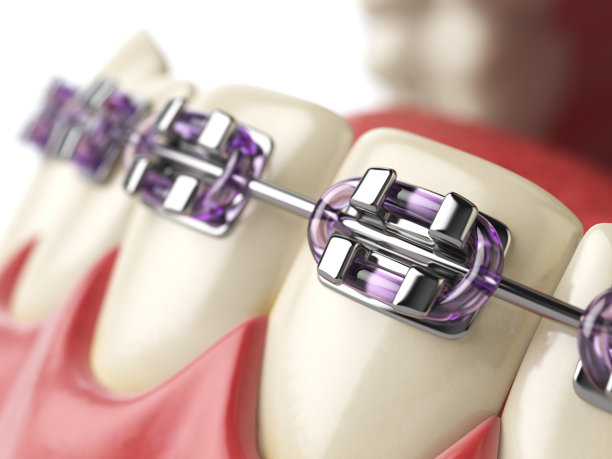
Another scenario that may necessitate tooth extraction is orthodontic treatment. In some cases, overcrowded teeth may require the removal of specific teeth to allow for proper alignment. Individuals undergoing such treatments might feel tempted to extract teeth on their own if they are unable to visit a dentist immediately.
However, its crucial to note that not all dental issues require extraction. If the discomfort can be managed with medications, it is advisable to consult a dentist first before resorting to at-home extraction methods. Always assess the necessity and seek professional advice when in doubt.
2. Gathering Tools and Materials for Extraction
Before attempting to extract a tooth, it is essential to gather the right tools and materials to ensure a safer process. Basic items include a pair of sterile gloves, forceps, antiseptic solution, and gauze. Sterility is paramount to prevent infections during and after the extraction.
It may be tempting to use makeshift tools, but this can cause further damage and complications. Professional dental tools, such as dental forceps, can help grip the tooth securely. If dental tools are unavailable, using clean tweezers as an alternative may be a last resort, but it is not recommended.
Additionally, having an antiseptic mouthwash or solution will help cleanse the area before and after extraction, reducing the risk of infections. Wise preparation is key to ensuring the entire extraction process runs smoothly and safely.
3. Step-by-Step Procedure for Tooth Extraction
Once the decision to extract a tooth has been made and all necessary tools are ready, follow a systematic approach. Begin by thoroughly rinsing your mouth with an antiseptic solution to minimize bacteria. Next, place the gauze around the tooth to absorb any blood that may result from the extraction.
After that, using the forceps, gently grip the tooth and rotate it. Its essential to apply slow and consistent pressure to facilitate the loosening of the tooth roots. Avoid yanking or pulling aggressively, as this may cause pain and complications.
Once the tooth has been fully extracted, it is vital to control bleeding. Keep the gauze in place and apply pressure for about 30 minutes. If bleeding persists, replace the gauze and continue applying pressure. After the bleeding has stopped, clean the area gently and begin your post-extraction care.
4. Post-Extraction Care for Optimal Healing
After successfully extracting the tooth, proper aftercare is crucial for promoting healing and avoiding complications. For the first 24 hours, avoid rinsing your mouth vigorously, consuming hot drinks, or using straws, as these actions can dislodge the blood clot that forms in the extraction site.
In the days following the extraction, it is essential to maintain oral hygiene. Gently brush your teeth while avoiding the extraction site until its fully healed. Rinsing with warm salt water can help keep the area clean and reduce the risk of infection.
If pain arises post-extraction, over-the-counter pain relievers can help manage discomfort. However, if severe pain, swelling, or discharge occurs, its crucial to seek professional dental care immediately, as these can be signs of complications that home care cannot remedy.
Summary:
Extracting a tooth at home requires careful consideration, preparation, and adherence to best practices to ensure safety and comfort. From understanding when extraction is needed to gathering the appropriate tools and executing the procedure, each step plays a vital role in the overall success of the extraction. Post-care is equally important, as it aids healing and prevents complications.
Understanding these aspects can empower individuals to handle dental emergencies, but its always best to consult with a professional when possible for optimal oral health.
This article is compiled by Vickong Dental and the content is for reference only.