Summary: Understanding the procedure and significance of tooth extraction is crucial for maintaining optimal dental health and overall wellbeing. This article delves into the reasons for extraction, the step-by-step procedure involved, the anticipated recovery process, and the potential long-term benefits of such a decision. By comprehensively examining these aspects, we aim to empower individuals with the knowledge needed to make informed choices about their oral health, ultimately leading to better dental outcomes and enhanced quality of life.
1. Reasons for Tooth Extraction

Tooth extraction may be necessary for a variety of reasons, and understanding these reasons can guide individuals in making informed decisions about their dental health. One common reason for extraction is severe dental decay. When a cavity progresses to the point where it jeopardizes the integrity of the tooth structure, extraction becomes essential to prevent further infection and pain.
Another reason for tooth extraction involves periodontal disease, which can lead to significant tissue damage. In advanced stages, the underlying bone can be compromised, necessitating the removal of affected teeth to preserve the surrounding structures and overall oral health.
Additionally, overcrowding can be another factor warranting extraction. When the jaws do not have enough space to accommodate all teeth, it can lead to serious alignment issues. Extracting teeth can create the necessary space for orthodontic interventions, facilitating better long-term outcomes for the remaining teeth.
2. The Extraction Procedure Step-by-Step
Understanding the extraction procedure can alleviate some anxiety associated with the process. Initially, the dentist will conduct a thorough examination and take imaging scans to determine the best course of action. The local anesthesia is typically administered to ensure that the patient is comfortable and pain-free during the procedure.
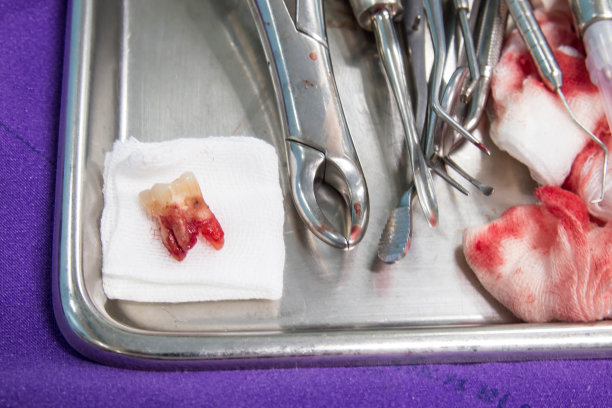
Once numbed, the dentist will gently loosen the tooth from its socket by using specific instruments and will often utilize an elevator tool to assist in the extraction. In some cases, the tooth may be broken into smaller pieces to facilitate its removal, particularly when dealing with difficult-to-extract molars.
Following the successful extraction, the dentist will provide care instructions and may place gauze over the site to control bleeding. Complications are rare if proper aftercare is followed, underscoring the importance of understanding the procedure and maintaining postoperative health.
3. Recovery Process After Extraction
The recovery process following a tooth extraction can vary from person to person, but there are common experiences that patients should anticipate. Initially, some swelling and discomfort are to be expected, which can be managed with prescribed medications and home remedies such as ice packs.
It is crucial to follow the dentists aftercare instructions carefully, which may include dietary recommendations, such as consuming soft foods and avoiding strenuous activities for a few days. This will help promote healing and reduce the risk of complications like dry socket, which can lead to increased pain and prolonged recovery.
Most individuals can expect to return to their normal activities within a week, but full healing may take upwards of several weeks depending on the complexity of the extraction and the individual’s overall health. Regular follow-ups with the dentist will ensure that the site is healing properly.
4. Long-term Benefits of Tooth Extraction
While tooth extraction may seem daunting, it can offer several long-term benefits that outweigh the temporary discomfort. One significant benefit is the potential improvement in oral health. Removing a problematic tooth not only alleviates pain but can also prevent the spread of infection to surrounding teeth and gum tissue.
Moreover, extractions can pave the way for orthodontic treatments, such as braces. By addressing overcrowded teeth or misalignment, patients can achieve better oral function and aesthetic outcomes long term.
Ultimately, tooth extraction can lead to better overall dental hygiene. With fewer teeth to care for, maintaining a regular brushing and flossing routine can become easier, promoting good oral health habits that will serve as an investment for the future.
Summary:
In conclusion, understanding the procedure and importance of tooth extraction is vital for ensuring long-term dental health. From recognizing the reasons for extraction to grasping the step-by-step procedure, recovery, and benefits, being informed can empower individuals to prioritize their wellbeing effectively.
Making educated decisions about dental health is crucial, as it can significantly enhance quality of life. Always consult a dental professional before proceeding with any necessary treatments.
This article is compiled by Vickong Dental and the content is for reference only.