Summary: Extracting a tooth can be a crucial procedure for maintaining optimal oral health. This comprehensive guide discusses the essential steps for safe and effective tooth extraction, focusing on preparation, techniques, aftercare, and when to consult a professional. By understanding these aspects, individuals can ensure a smoother experience, reduce anxiety, and promote healing. Proper tooth extraction can prevent further dental issues, contributing to overall well-being. This article aims to empower readers with the knowledge of what to expect, how to prepare, and the importance of following post-extraction guidelines for a successful recovery.
1. Preparation for Tooth Extraction Procedures
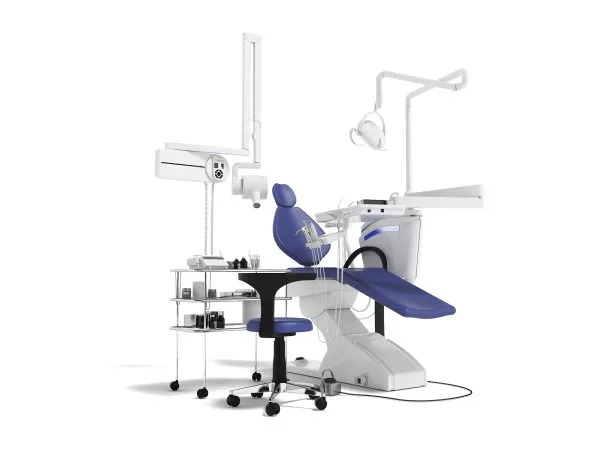
Before any tooth extraction, preparation is key to ensuring a smooth process. First and foremost, it is essential to consult a dentist, who will assess the tooths condition and determine if extraction is necessary. X-rays may be taken to provide a clear view of the tooths roots and surrounding bone structure. This helps to identify potential complications that may arise during the extraction.
Once the decision for an extraction is made, patients should prepare mentally and physically. Its advisable to arrange for transportation, especially if sedation is used during the procedure. Moreover, discussing anxiety or fear with the dentist can lead to the use of calming techniques or medications to ensure a more comfortable experience.
Finally, avoid certain medications, particularly blood thinners, and non-steroidal anti-inflammatory drugs, which could increase bleeding. Your dentist will provide specific instructions regarding pre-operative care, including what to eat or drink before the procedure. Adhering to these guidelines minimizes risks and facilitates a successful extraction.
2. Techniques for Safe Tooth Extraction
Tooth extraction techniques vary based on the tooths condition and location. For a simple extraction, where the tooth is visible above the gum line, the dentist will typically use forceps to loosen the tooth and remove it. This process requires careful handling to avoid damaging surrounding teeth or bone.
For more complex extractions, such as those involving impacted wisdom teeth or teeth beneath the gum line, surgical extraction may be necessary. This involves making incisions in the gum tissue to access the tooth. In such cases, the dentist may need to remove bone or cut the tooth into smaller pieces for easier removal.
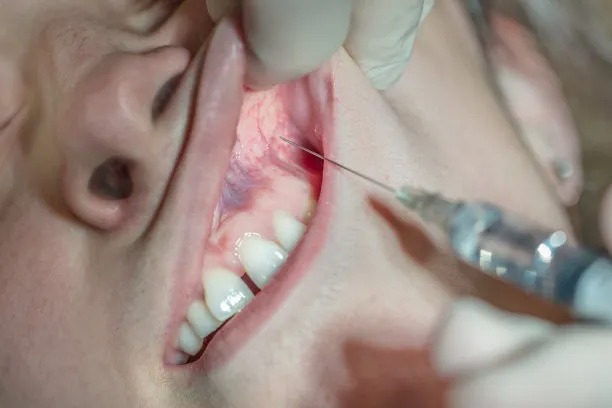
Regardless of the technique used, anesthesia plays a crucial role in minimizing pain during the procedure. Local anesthesia is often administered to numb the specific area, while sedation may be available for those with heightened anxiety. The goal is to ensure that the patient remains as comfortable as possible throughout the extraction process.
3. Post-Extraction Care and Recovery
After the procedure, proper aftercare is vital to promote healing and prevent complications. Patients should follow their dentists post-operative instructions closely. This typically includes biting down on a gauze pad to control bleeding and replace it as needed until the bleeding subsides.
For the first few days, it is advisable to stick to soft foods and avoid hard, crunchy, or hot foods that can irritate the extraction site. Additionally, staying hydrated is essential, but one should avoid using straws, as the suction can dislodge the blood clot forming in the socket, leading to a painful condition known as dry socket.
Pain management can be handled through prescribed medications or over-the-counter alternatives like acetaminophen or ibuprofen. Patients should monitor their recovery and report any excessive pain or swelling to their dentist. A follow-up appointment may be necessary to ensure proper healing.
4. Knowing When to Consult a Professional
Even with the best preparation, certain complications can arise during or after tooth extraction. Patients should be aware of signs that indicate when to seek professional help. If excessive bleeding occurs—a situation where bleeding doesnt stop after applying pressure for 30 minutes—urgent dental attention is required.
Additionally, if there are severe signs of infection, including fever, increased swelling, or pus-like discharge from the extraction site, it is imperative to contact a dentist. Such symptoms could indicate a deeper issue that needs immediate care. Moreover, persistent or severe pain that worsens after the initial days may signal a problem, requiring further evaluation by a dental professional.
In conclusion, understanding tooth extractions preparation, techniques, aftercare, and possible complications informs patients and helps them navigate the process smoothly. With this knowledge, individuals can ensure better outcomes and participate actively in their oral health maintenance. By being prepared and informed, one can manage anxiety and promote optimal healing.
This article is compiled by Vickong Dental and the content is for reference only.