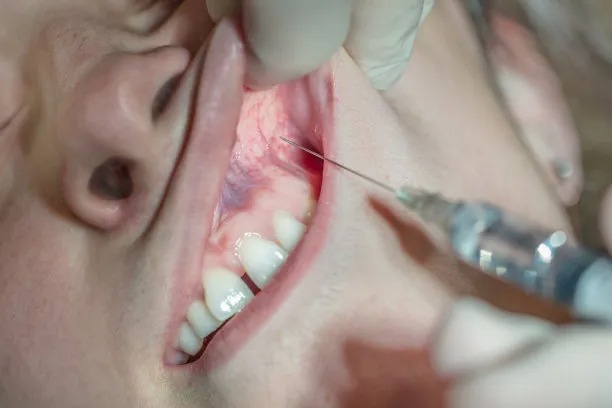
Summary: The necessity of tooth extraction can arise from various dental issues, prompting some individuals to consider at-home procedures. This guide provides crucial tips and considerations for safely extracting a tooth at home, emphasizing the importance of preparation, understanding appropriate tools, recognizing when professional assistance is required, and ensuring effective aftercare. By following these guidelines, individuals can aim for a pain-free experience while minimizing risks associated with DIY dental care. However, it is vital to acknowledge the potential complications and intricacies of the procedure. This article serves not only as a practical resource but also as a reminder to prioritize dental health by consulting with professionals whenever possible.
1. Preparing for Safe Tooth Extraction

Preparation is key in ensuring a safe and smooth tooth extraction experience at home. First, assess the necessity of the extraction; not all dental issues require tooth removal. If the tooth is significantly decayed, loose, or causing severe pain, extraction might be warranted. Always consider the background of your dental health and consult a dentist if possible.
Secondly, create a comfortable and sterile environment before starting the procedure. Choose a well-lit area and lay down clean cloths or towels where you will perform the extraction. Surrounding yourself with essentials like gloves, antiseptic mouthwash, and a sterile cloth will minimize the risk of infection.
Lastly, have a trusted friend or family member present during the procedure. This not only adds an extra layer of safety but ensures immediate assistance if complications arise during extraction.
2. Understanding the Necessary Tools
Gathering appropriate tools is essential for a successful at-home tooth extraction. A pair of sterilized dental forceps is the primary tool you will need. These can be acquired from a pharmacy or dental supply store, ensuring they are designed explicitly for tooth extractions.
In addition to forceps, a mirror and flashlight are helpful for proper visibility. A cotton ball or gauze is essential post-extraction to control bleeding effectively. Moreover, having antiseptic solutions such as hydrogen peroxide or saline will aid in sanitizing the affected area before and after the extraction.
Consider also having over-the-counter pain relievers on hand, as they can provide relief during the initial discomfort following the extraction. Proper preparation with the right tools will greatly contribute to a smoother operation and minimize discomfort.
3. Recognizing Signs for Professional Help
While some may attempt tooth extraction at home, recognizing when to seek professional help is paramount. If there are signs of infection, such as persistent swelling, pus, or fever, immediate consultation with a dentist is crucial. These symptoms signal complications that at-home methods cannot address.
Moreover, if the tooth presents unusual resistance during removal or if you experience severe pain that exceeds what was expected, dont hesitate to stop and seek professional help. Theres no harm in prioritizing your health over attempting a difficult extraction.
Finally, consider the time and effort involved in the aftercare of an extraction. Professionals can provide tailored aftercare instructions that ensure the wound heals properly and reduces the chance of complications. Always trust your instincts; safety should come first.
4. Ensuring Effective Aftercare for Healing
Post-extraction care is vital in promoting healing and preventing infection. Immediately after the procedure, bite down gently on a gauze pad to control bleeding for at least 30 minutes. If bleeding persists, replace with a fresh gauze pad until bleeding subsides.
After the bleeding has stopped, avoid strenuous activities for at least 24 hours to prevent complications. Resting is crucial for the recovery process. Avoid using straws, smoking, or rinsing your mouth vigorously in the first 24 hours, as these actions can dislodge blood clots that form in the extraction site.
In the following days, ensure to maintain good oral hygiene but be gentle around the extraction site. You may rinse with salt water to keep the area clean, but refrain from vigorous rinsing. Follow any specific aftercare instructions and monitor the site for signs of healing or issues.
Summary:
This guide offers valuable insights into safely extracting a tooth at home, covering preparation, tools, the importance of recognizing when to seek professional help, and effective aftercare. While home extraction may seem appealing, its essential to consider the potential risks and ensure a comprehensive understanding of the procedure. Your dental health should always be a priority.
This article is compiled by Vickong Dental and the content is for reference only.