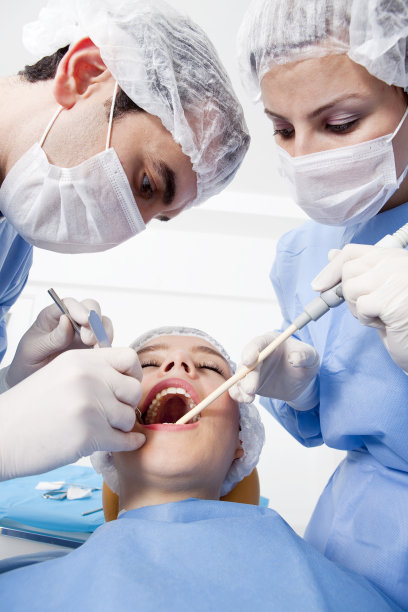
Summary: Dental extractions can be a daunting experience, yet understanding the process is essential for a safe and effective outcome. This guide aims to provide readers with a comprehensive overview of tooth extraction, focusing on preparation, the extraction process, post-operative care, and the importance of follow-up visits. By following these guidelines, individuals can ensure not only a smooth extraction but also a more optimal recovery, leading to improved overall oral health. This includes practical tips and crucial information that empower patients to take charge of their dental health.
1. Preparing for a Tooth Extraction Procedure

The first step in a safe tooth extraction is to consult with a dental professional. During the consultation, the dentist will evaluate the tooths condition and your overall health, determining the best approach for extraction. It is essential to disclose any medications you are taking and any existing health conditions, such as allergies or heart problems, as they can influence the procedure.
Before the extraction, the dentist may recommend imaging, like X-rays, to visualize the tooths roots and surrounding bone structure. This step is crucial for identifying any complications and planning the extraction process accurately, minimizing risk during the procedure.
Additionally, patients should organize their logistics. Transportation to and from the dentist is vital since anesthesia may impair one’s ability to drive. Setting up a recovery space at home, with essentials like ice packs and gauze, can also streamline the healing process post-extraction.
2. The Extraction Process and Its Significance
During the actual extraction, a local anesthetic is usually administered to numb the area around the tooth. Depending on the complexity of the extraction, sedation options may also be available for more anxious patients. Understanding the procedure can alleviate fear and anxiety associated with dental extractions.
The dentist will carefully loosen the tooth from its socket using specialized instruments. If the tooth is impacted, additional techniques may be required, such as creating a small incision in the gum or breaking the tooth into smaller pieces to facilitate removal. Its critical to follow the dentists instructions during this phase to ensure a complication-free extraction.
After the tooth is removed, the dentist will clean the site and may use stitches if necessary. Understanding the importance of controlling bleeding through the use of gauze is vital for patients. This step ensures that recovery begins effectively right after the procedure.
3. Post-Operative Care for Optimal Recovery
Effective post-operative care is fundamental for a smooth recovery. Immediately after the extraction, patients should keep gauze on the site for at least 30-45 minutes to control bleeding. Changing the gauze regularly, when it becomes soaked, is essential until bleeding stops.
Ice packs should be applied to the outside of the cheek for the first 24 hours to reduce swelling. Patients should avoid vigorous physical activity, bending, or lifting heavy objects for at least a few days post-extraction, as these actions can increase bleeding and delay recovery.
Diet also plays a significant role in recovery. Soft foods are recommended during the first few days, and hot beverages should be avoided to prevent irritation in the extraction area. Keeping the mouth clean by gently rinsing with warm salt water can help ward off infection while promoting healing.
4. Importance of Follow-Up Visits After Extraction
Following the extraction, it is important to attend any scheduled follow-up appointments with your dentist. These visits allow the dentist to assess the healing process, ensuring that no complications, such as dry socket, have developed. Regular follow-ups offer peace of mind and confirm that the recovery is on track.
If any unexpected symptoms, such as prolonged pain or excessive bleeding, arise, patients should not hesitate to contact their dentist. Understanding the signs of complications can lead to timely interventions, preventing further issues and promoting overall oral health.
Finally, this recovery period is an opportune time to reassess ones oral health habits. Establishing better dental hygiene practices, such as regular brushing and flossing, can enhance oral health and prevent the need for future extractions.
Summary:
In conclusion, safely extracting a tooth and ensuring a smooth recovery are crucial components of maintaining oral health. By following comprehensive guidelines for preparation, understanding the extraction process, practicing post-operative care, and valuing follow-up visits, patients can significantly enhance their recovery experience. Empowering oneself with knowledge not only fosters better oral hygiene but also improves overall dental health.
This article is compiled by Vickong Dental and the content is for reference only.