Summary: Extracting a tooth can be a daunting process for many patients; however, it plays a vital role in maintaining overall dental health and contributes significantly to treatment success. This article delves into the process of tooth extraction, the reasons it may be necessary, potential complications, and the aftercare needed to ensure optimal recovery. Understanding these aspects helps patients to make informed decisions and contributes to their overall well-being.
1. The Tooth Extraction Process Explained
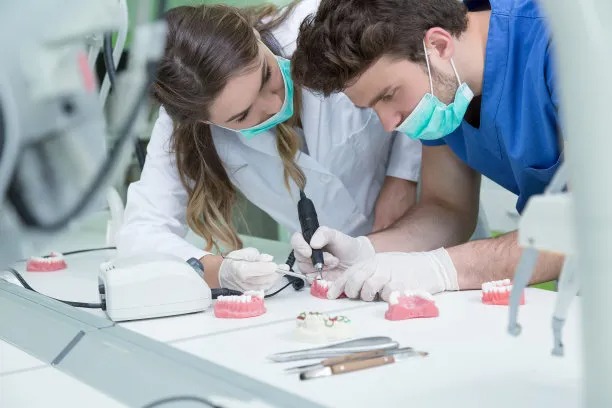
Tooth extraction, or exodontia, is a dental procedure that involves the removal of a tooth from its socket in the jawbone. The process typically begins with a thorough examination and diagnostic imaging to assess the condition of the tooth and surrounding structures. Dentists may use X-rays to visualize the tooth roots, understand the positioning, and plan for the extraction.
Once the assessment is complete, the dentist will proceed with the procedure. Local anesthesia is usually administered to numb the area around the tooth, ensuring that the patient remains comfortable throughout the process. In cases where the tooth is impacted or difficult to extract, sedation dentistry may be recommended to help manage anxiety and provide a pain-free experience.
The physical removal of the tooth can vary in complexity. For a straightforward extraction, the dentist will gently rock the tooth back and forth until it loosens from the socket. However, more complicated extractions may require surgical intervention, which involves making an incision in the gum tissue to access the tooth more easily.
2. Reasons for Tooth Extraction
There are several reasons why a dentist may recommend extracting a tooth. One common reason is severe tooth decay or infection, which can compromise the integrity of the tooth and surrounding gums. In such cases, removing the affected tooth can prevent the spread of infection and preserve the overall health of the mouth.
Another reason for extraction often relates to overcrowding. In orthodontics, dentists sometimes recommend the removal of one or more teeth to create space for the movement of remaining teeth, facilitating better alignment. This is particularly common when preparing a patient for braces or other orthodontic treatments.
Additionally, wisdom teeth, or third molars, are frequently extracted due to their potential to cause pain, infection, or crowding. As these teeth emerge during late adolescence or early adulthood, their removal can often prevent future complications and safeguard other teeth.
3. Potential Complications and Risks
Although tooth extraction is generally a safe procedure, it is not without risks and potential complications. One common concern is dry socket, which occurs when the blood clot that forms in the socket after extraction dislodges or dissolves. This condition can result in extreme pain and may require further treatment to manage.
Infection is another risk involved in tooth extraction. The procedure opens a pathway for bacteria to enter the bloodstream or surrounding tissues, potentially leading to complications. Patients must adhere to proper aftercare instructions to minimize the risk of infection, including maintaining good oral hygiene.
Furthermore, there is a possibility of damage to adjacent teeth or an injury to the jawbone during the extraction process. Dentists take precautions to avoid such complications, but it is essential for patients to be aware of these risks and to discuss any concerns with their dentist prior to the procedure.
4. Aftercare for Successful Recovery
Post-extraction care is critical for facilitating healing and ensuring a successful recovery. Patients are advised to follow a specific list of aftercare instructions, which may include biting down on a gauze pad to control bleeding and taking prescribed pain medication to manage discomfort.
Avoiding certain activities, such as vigorous rinsing, smoking, or using straws, for at least 24 hours after the procedure is also strongly recommended. These actions can displace the blood clot and contribute to complications such as dry socket.
Following the extraction, patients should also monitor the extraction site for signs of infection, such as increased swelling or pus. Regular follow-up with the dentist ensures that the healing process is on track and allows for timely intervention should any issues arise.
Summary:
The process of tooth extraction is an important aspect of dental care that ensures both health and treatment success. Understanding the reasons behind extractions, risks associated with the procedure, and proper aftercare can greatly enhance patient outcomes. By being informed about this essential dental procedure, patients can approach their dental health proactively and confidently.
This article is compiled by Vickong Dental and the content is for reference only