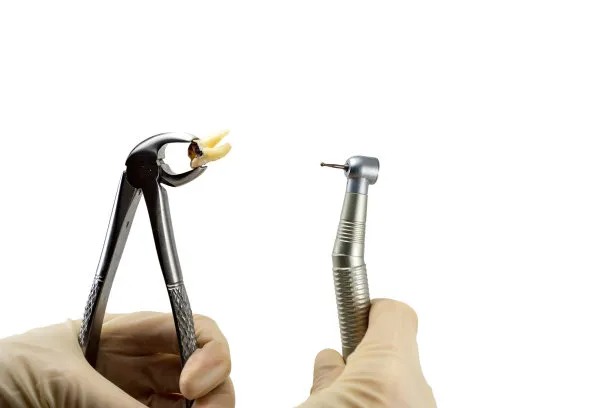
Summary: Tooth extraction is a common dental procedure that may be necessary for various reasons, including decay, overcrowding, or impaction. This article provides a comprehensive guide to the tooth extraction process, detailing what to expect during the procedure, the types of extractions available, and the critical aftercare steps needed for optimal healing. By understanding these elements, patients can approach the extraction with greater confidence and awareness, ensuring a smoother recovery. We will explore pre and post-operative care, follow-up treatments, and potential complications, empowering readers to take proactive steps in their dental health journey.
1. Overview of Tooth Extraction Process

The tooth extraction process begins with a thorough examination by your dentist, which may include X-rays to assess the position and condition of the affected tooth. The dentist will discuss the procedure, including the necessity of extracting the tooth, which can be due to various reasons such as severe decay, damage, or overcrowding complications. Understanding the rationale behind the extraction will help in alleviating the patient’s anxiety.
Once the necessity is confirmed, the dentist will outline the type of extraction required. There are primarily two types: simple extractions, which are performed on visible teeth, and surgical extractions, which involve teeth that are broken beneath the gum line or impacted. Each procedure requires a different approach, and having this information helps set expectations.
On the day of the extraction, local anesthesia is usually administered to numb the area around the tooth. In some cases, sedation may also be considered to help patients relax. The actual extraction involves careful removal of the tooth, and the dentist will take precautions to minimize discomfort and potential complications. Knowing what happens during the procedure can significantly reduce patient anxiety.
2. Preparing for a Tooth Extraction
Preparation for tooth extraction is essential for ensuring a smooth and effective procedure. Patients should communicate openly with their dentist about any medical conditions, allergies, or medications they are currently taking. This information will help the dentist tailor the anesthesia and sedation options to the patient’s needs.
Patients may also be advised to avoid certain substances before the procedure, such as alcohol, tobacco, and blood-thinning medications. Understanding these pre-operative restrictions can make a significant difference in the patients experience and the overall success of the extraction.
In some cases, patients might be given specific instructions regarding food intake. For example, certain foods should be avoided in the 24 hours leading up to the procedure, particularly if sedation is used, as empty stomach protocols are often necessary. Being mindful of these guidelines can contribute to a safer and more efficient extraction process.
3. Aftercare Steps for Quick Recovery
Post-extraction care is crucial for ensuring proper healing and minimizing discomfort. Immediately after the procedure, a gauze pad is usually placed over the extraction site to control bleeding. Patients are advised to bite down gently on this pad for the first 30-45 minutes. It’s essential not to suck on the site or spit aggressively, as these actions can dislodge the blood clot that forms and prolong healing.
After the initial recovery period, pain management is a key aspect of aftercare. Over-the-counter pain relievers can be effective for managing discomfort, but patients should consult their dentist regarding the appropriate medications and dosage. Resting and applying ice packs to the affected area may also help alleviate swelling and pain.
Dietary considerations during recovery are equally important. Patients should stick to soft foods and avoid hot, spicy, or crunchy items for several days to prevent irritation at the extraction site. Staying hydrated is also vital, but patients should use a spoon rather than a straw to prevent dislodging the blood clot. Following these aftercare instructions closely will significantly aid in a swift and smooth recovery.
4. Monitoring and Potential Complications
After a tooth extraction, it’s crucial to monitor the recovery site for any unusual symptoms. While some discomfort and swelling are normal, patients should be cautious of excessive bleeding, persistent pain, or the development of fever. These symptoms may indicate a problem that requires prompt attention from a dental professional.
One potential complication following tooth extraction is dry socket, which occurs when the blood clot is dislodged or fails to form. This condition can cause severe pain and may require further treatment. Being aware of this possibility will enable patients to act quickly if they suspect they are experiencing dry socket or any other complications.
Regular follow-up appointments are essential for ensuring proper healing. Dentists will conduct examinations to assess the extraction site and provide additional guidance as needed. Patients should feel empowered to reach out if they have concerns, as proactive communication can prevent minor issues from escalating into more significant complications.
Summary:
Understanding the tooth extraction process is vital for patients who find themselves in need of this procedure. From preparation through aftercare, knowing what to expect can minimize anxiety and promote smoother recovery. Taking the time to follow aftercare instructions and keeping an eye out for potential complications will contribute to optimal healing and successful outcomes.
This article is compiled by Vickong Dental and the content is for reference only