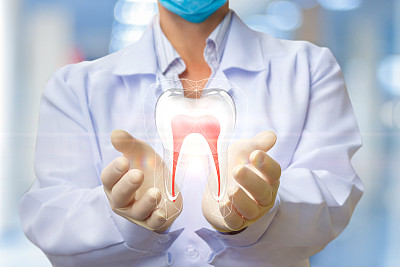
Summary: Extracting a tooth is a common dental procedure with significant implications for oral health and patient wellbeing. This article delves into the intricacies of tooth extraction, addressing indications for the procedure, the extraction process itself, post-operative care, and the broader impact on oral health. By understanding each facet, patients can better prepare for potential tooth extractions and appreciate their significance in maintaining overall dental health. Knowledge of the extraction procedure empowers patients, minimizing anxiety and promoting healthier dental practices moving forward.
Indications for Tooth Extraction Procedures

Tooth extraction is not a decision taken lightly; there are various clinical indications that necessitate this intervention. Common reasons include severe tooth decay that cannot be repaired, advanced periodontal disease, or dental crowding that hampers proper tooth alignment. In some cases, wisdom teeth may also require extraction due to potential complications arising from their positioning.
Deciding on extraction often involves a thorough examination and diagnostic imaging. Dentists evaluate the overall health of the tooth in question and its surroundings, considering factors such as root structure, gum health, and potential for future complications. This detailed assessment aids in forming a well-founded decision regarding extraction versus preservation.
Another significant reason for extraction is to reduce the risk of oral infections. Infections that develop around a tooth can lead to more serious systemic issues if left untreated. By extracting the problematic tooth, dentists can eliminate the source of infection and prevent further complications, allowing for improved patient health.
Understanding the Tooth Extraction Process
The tooth extraction process typically begins with a comprehensive evaluation and consultation. Upon determining that extraction is necessary, the dentist will prepare the patient, which may include administering local anesthesia to ensure a painless experience. For more complex extractions, such as surgical removals, sedation may also be employed to help the patient relax.
Once the anesthesia takes effect, the dentist carefully loosens the tooth from its socket using specialized tools. This stage requires precision, especially in the case of impacted teeth or those with complicated root structures. Depending on the tooth’s condition and position, the extraction can range from straightforward to complex, necessitating a skilled approach to minimize trauma to surrounding tissue.
After the tooth is removed, the dentist will clean the socket thoroughly to eliminate any debris. In certain situations, stitches may be necessary to close the extraction site. Following the procedure, the patient receives detailed aftercare instructions, which are crucial for a smooth recovery and to mitigate any potential risks.
Post-Operative Care and Healing
Post-operative care plays a pivotal role in a successful recovery after a tooth extraction. Patients are often advised to rest and avoid strenuous activities for at least 24 hours post-procedure. Managing discomfort typically involves using over-the-counter pain relievers, while ice packs can help reduce swelling.
Another vital aspect of recovery is adhering to dietary recommendations. Initially, patients should consume soft foods and avoid hot, spicy, or acidic items that may irritate the extraction site. Hydration is essential, but using straws should be avoided, as the suction can dislodge the blood clot that forms in the socket, leading to complications like dry socket.
Monitoring for signs of infection or unusual pain is crucial during the healing process. Patients are encouraged to follow up with their dentist as directed and reach out if they experience persistent discomfort, excessive bleeding, or swelling beyond what is expected, as these may indicate complications that require medical attention.
The Broader Impact on Oral Health
Understanding the broader impact of tooth extraction on oral health is crucial for patients. The removal of a problematic tooth can lead to immediate relief from pain and discomfort, thereby improving overall wellbeing. However, it also sets the stage for necessary subsequent dental treatments, such as implants or bridges, to maintain proper dental function and aesthetics.
Furthermore, extracting a tooth may help prevent the spread of infection and disease to neighboring teeth and gums. By addressing the primary issue, patients can mitigate additional complications that could arise from decay or disease spreading to surrounding tissues.
Finally, tooth extraction can encourage patients to adopt better oral hygiene practices. Experiencing an extraction often serves as a wake-up call, prompting individuals to prioritize their dental care routine. Incorporating regular check-ups, professional cleanings, and mindful daily hygiene practices contribute to a healthier mouth and a more proactive approach to dental health.
Summary:
Understanding the dental procedure of extracting a tooth is vital for patients who may face this experience. The indications for extraction, the process itself, post-operative care, and the broader impact on oral health are all interconnected and significant for long-term wellbeing.
By educating yourself on these aspects, one can navigate tooth extractions with confidence, ensuring a smoother recovery and better overall health outcomes. Knowledge empowers patients to maintain optimal oral health even in the face of challenges.
This article is compiled by Vickong Dental and the content is for reference only.