Summary: Tooth extractions can be anxiety-inducing, but with the right methods and proper aftercare, they can be performed without significant pain. This guide discusses various pain-free extraction techniques, including sedation and local anesthesia, outlining their benefits for patients. Additionally, effective aftercare tips are provided to ensure a smooth recovery and successful healing process. With practical advice on managing discomfort, maintaining oral hygiene, and post-operative care, this essential guide aims to alleviate fears associated with tooth extraction and promote a positive overall experience.
1. Understanding Pain-Free Tooth Extraction Techniques
Pain-free tooth extraction can be achieved through several methods that prioritize patient comfort. The most common techniques include local anesthesia, nitrous oxide sedation, and intravenous sedation. Each option aims to minimize pain and anxiety during the procedure, allowing the dentist to work efficiently while the patient remains relaxed.
Local anesthesia involves numbing the specific area around the tooth to be extracted. This method is effective for straightforward extractions, enabling patients to feel little to no discomfort during the procedure. Dentists may also use anesthetic gels to numb the gums before injecting the local anesthetic, further reducing pain.
Nitrous oxide, or "laughing gas," is another popular sedation option. Inhaling this gas creates a calming effect, easing patients nerves while ensuring they remain conscious throughout the procedure. This method allows individuals to engage in conversation with their dentist while feeling relaxed and pain-free.
2. The Role of Advanced Technology in Extractions
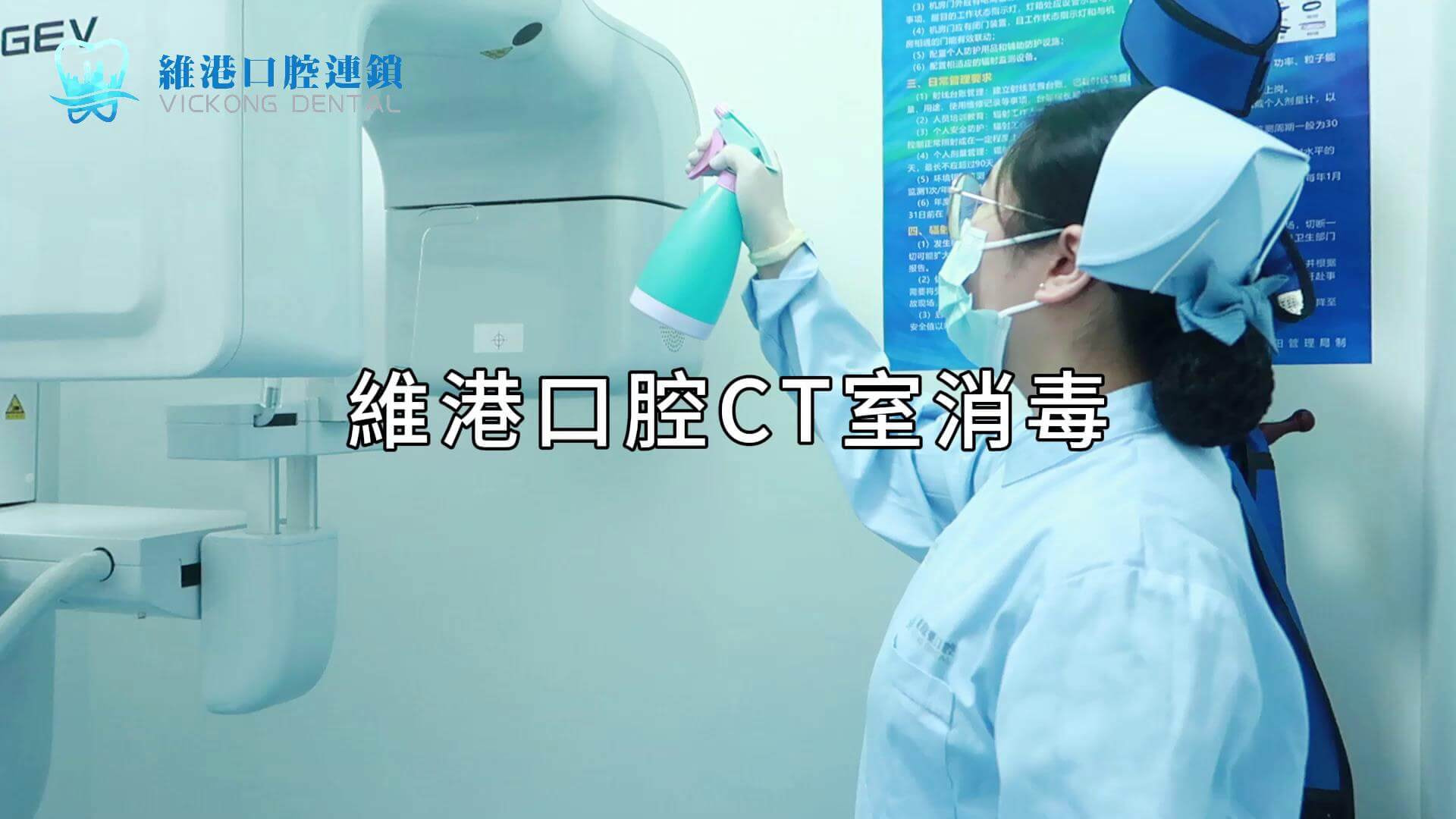
Advancements in dental technology have significantly improved the tooth extraction experience. Tools such as digital X-rays and cone beam computed tomography (CBCT) provide detailed images of dental structures, allowing dentists to plan the extraction more precisely. Enhanced imaging helps reduce surgical complications and unnecessary discomfort.
Additionally, laser technology has emerged as a less invasive option for tooth extraction. Lasers can minimize bleeding, reduce swelling, and decrease recovery time. This technique is particularly advantageous for patients with dental anxiety, as it often leads to a more comfortable experience overall.
Another technological advancement is the use of piezoelectric devices. These tools allow for selective cutting of bone without damaging surrounding tissues, leading to a smoother extraction and faster healing. Enhanced precision also results in less pain and discomfort following the procedure.
3. Essential Aftercare Tips for Smooth Recovery
Following a tooth extraction, adhering to proper aftercare guidelines is crucial for a smooth recovery. One of the first recommendations is to bite down gently on gauze to control bleeding. Patients should change the gauze as needed until bleeding subsides, typically within a few hours.
Ice packs can be applied to the outside of the face for the first 24 hours to minimize swelling and alleviate pain. Patients should alternate between 15 minutes on and 15 minutes off to ensure effective icing without overdoing it. Managing swelling early on is vital as it can enhance overall comfort during the recovery phase.
Additionally, patients are advised to stick to a soft-food diet for the first few days. Foods like yogurt, mashed potatoes, and soup are recommended to avoid irritation at the extraction site. Staying hydrated while avoiding hot beverages can also support the healing process.
4. Recognizing Signs of Complications
Despite following aftercare guidelines, some individuals may experience complications after a tooth extraction. It is essential to recognize signs that might indicate issues, such as severe pain that intensifies over time, excessive swelling, or drainage of pus from the extraction site. These symptoms may require immediate attention from a dentist.
If a patient experiences fever or prolonged bleeding after the normal recovery window, these could indicate an infection or other complications. Therefore, maintaining open communication with the dental care provider is crucial for monitoring recovery and addressing concerns promptly.
Patients should also be aware of dry socket, which occurs when the blood clot at the extraction site becomes dislodged. Symptoms of dry socket include intense pain and an unpleasant taste in the mouth, requiring prompt dental intervention. Understanding these potential complications can lead to timely care and minimize discomfort.
Summary:
Tooth extractions do not need to be a painful experience. By utilizing advanced pain-free extraction techniques combined with effective aftercare tips, patients can ensure a smoother recovery. Understanding available options and recognizing the signs of complications fosters a more positive tooth extraction journey.
This article is compiled by Vickong Dental and the content is for reference only.