Summary: Extracting a tooth can be a daunting experience, but understanding the process and proper aftercare can significantly ease anxiety. This article serves as a comprehensive guide to tooth extractions, detailing the procedural steps, different methods employed, the role of post-extraction care, and tips for managing discomfort. Each section aims to equip readers with the knowledge they need to ensure a smooth experience before, during, and after the extraction process. By understanding what to expect and how to care for your dental health afterward, you can facilitate a quicker recovery and maintain optimal oral hygiene.
1. Understanding the Tooth Extraction Procedure
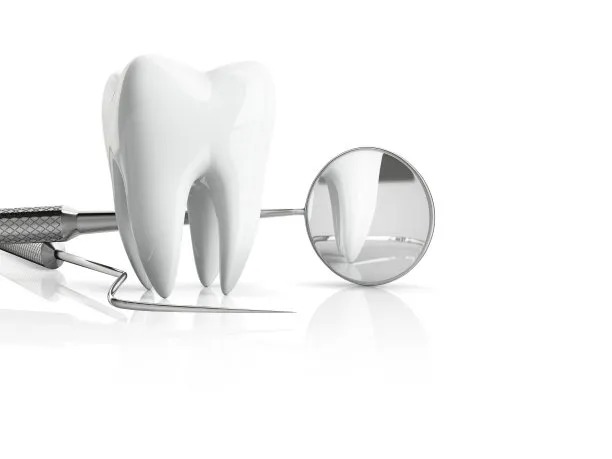
The tooth extraction procedure generally begins with a thorough dental examination. This helps the dentist assess the condition of the tooth and surrounding tissues. Often, X-rays are taken to visualize the roots and any underlying infections or issues that might complicate the extraction process. Knowing what to expect during this phase can significantly reduce anxiety for patients.
Once the assessment is complete, the dentist will explain the extraction method to be used. Some teeth, particularly those that are impacted, may require surgical extraction. This involves making incisions in the gum to access the tooth. Conversely, a simple extraction may only necessitate the loosening of the tooth from its socket. An understanding of these methods will prepare patients for what is to come.
During the extraction, local anesthesia is administered to numb the area around the tooth. In some cases, sedation may be offered for anxious patients. This step is crucial, as it ensures comfort during the procedure. The dentist will then carefully remove the tooth, minimizing trauma to the surrounding gums and bone.
2. Types of Tooth Extractions
There are two primary types of tooth extractions: simple and surgical. Simple extractions are performed on visible teeth that can be removed using forceps. They are typically easier and require less recovery time compared to surgical extractions, which are more complex and often involve teeth that are broken, deeply rooted, or impacted.
Surgical extractions may involve cutting gum tissue or bone to access the tooth. This type of extraction often requires stitches afterward. Understanding which type of extraction is planned will help patients prepare accordingly and set expectations about the recovery process.
Additionally, the reason behind the extraction can vary, such as decay, crowding, or gum disease. Knowing the underlying reason can help patients take preventive measures for their dental health in the future.
3. Managing Post-Extraction Care
Post-extraction care is essential for a smooth recovery. Patients should follow their dentists instructions closely, which often include rest, avoiding strenuous activities, and adhering to a specific diet for the first few days. Soft foods like applesauce and yogurt are usually recommended to prevent irritation to the extraction site.
It is also crucial to maintain oral hygiene without disturbing the dental socket. Gentle rinsing with warm salt water may be advised to keep the area clean and promote healing. Patients must avoid sucking motions, such as using straws, as this can dislodge the blood clot and lead to complications like dry socket.
Pain management is another critical aspect of aftercare. Over-the-counter pain relievers or prescribed medications may help alleviate any discomfort experienced post-extraction. Patients should also be vigilant for signs of complications, such as excessive bleeding or signs of infection, and reach out to their dentist promptly if these occur.
4. Importance of Following Dental Advice
Following dental advice post-extraction plays a crucial role in ensuring long-term oral health. Regular follow-up appointments allow the dentist to monitor healing progress and address any potential complications. These check-ups are vital for assessing overall dental health and preventing future extraction needs.
Patients are encouraged to maintain proper oral hygiene practices, including brushing and flossing daily. Incorporating mouthwash can also help in keeping the mouth disinfected. By adopting these practices, one can significantly reduce the risk of infections and complications following an extraction.
Moreover, live a healthy lifestyle that includes a balanced diet rich in vitamins and minerals to promote gum healing and dental health. Staying hydrated, managing stress, and avoiding tobacco products are also advisable for optimal recovery.
Summary:
Understanding the tooth extraction process, potential methods, and aftercare is essential for anyone facing this dental procedure. By being informed, patients can alleviate fear, promote healing, and maintain better dental health post-extraction.
This article is compiled by Vickong Dental and the content is for reference only.