Summary: The necessity for dental care can sometimes become urgent, leading individuals to consider home tooth extraction as a last resort. This guide addresses the critical steps and considerations for safely extracting a tooth at home during emergencies. It emphasizes the importance of assessing the situation, preparing adequately, utilizing the right techniques and tools, and understanding the recovery process. Undertaking this procedure carries risks, and this article aims to provide a helpful yet cautious overview, ensuring that anyone faced with this situation can navigate it as safely as possible. Knowledge is your best ally when dealing with such emergencies.
1. Assessing the Need for Tooth Extraction

Identifying when a tooth requires extraction is crucial. Common reasons include severe decay, infection, or trauma. Before deciding to proceed, its imperative to evaluate the condition of the tooth and the surrounding area. If the tooth is loose due to injury and causing significant pain, or if there is swelling that suggests an infection, extraction may be necessary.
However, there are times when the symptoms might indicate a treatment option other than extraction. For instance, certain infections can be managed with antibiotics, and dental treatments like fillings or root canals could be more appropriate. Researching these alternatives can be beneficial to avoid unnecessary extractions.
In emergency situations where professional dental care isnt available, a clear and objective assessment can guide you on whether its safe to proceed with at-home extraction. Consulting with a dentist via telehealth services, if possible, can provide valuable insights before taking drastic measures.
2. Preparing for the Extraction Process
Preparing adequately is foundational for a successful tooth extraction. First, gather all necessary supplies: sterile gloves, dental tools (like tweezers, pliers, or dental elevators), antiseptic solution, gauze, and a cold pack. Ensuring that all tools are sterilized will minimize the risk of infection during the procedure.
Next, create a calm and well-lit environment. Make sure you have ample space to work diligently and comfortably. Consider sitting in a position that allows you to maintain control while performing the extraction. This level of comfort can enhance your focus and precision throughout the process.
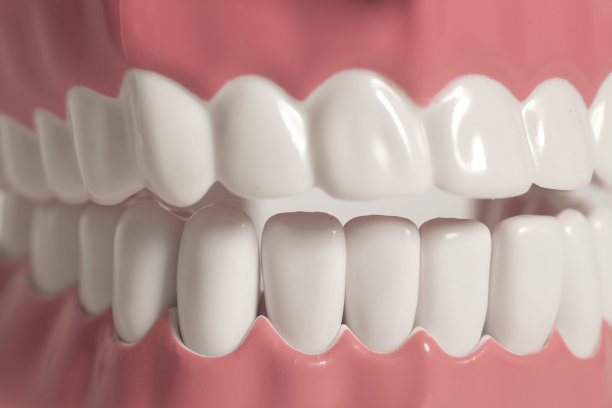
Additionally, understanding the anatomy of the tooth and surrounding tissue can be beneficial. Research images or diagrams to identify where the tooth connects to the jawbone, as this aids in knowing where to apply pressure when extracting the tooth.
3. Techniques for Extracting a Tooth at Home
Executing a tooth extraction at home necessitates a careful and precise approach. Start by applying topical numbing gel near the extraction site to mitigate pain. The use of antiseptic solutions to cleanse the area ensures it’s free from bacteria, reducing infection risks during and after the procedure.
When grasping the tooth for extraction, utilize a rotating motion while gently pulling it outward. This motion helps to remove the tooth with minimal force, reducing trauma to the surrounding gums. Be prepared for resistance; if the tooth does not come out easily, do not force it as this may lead to complications.
If the tooth breaks during extraction, take a moment to locate the fragments and remove them carefully, ensuring that no pieces are left behind in the gums. After the extraction, it’s vital to control bleeding by placing a piece of gauze over the socket and biting down to encourage clotting.
4. Managing Recovery Following Tooth Extraction
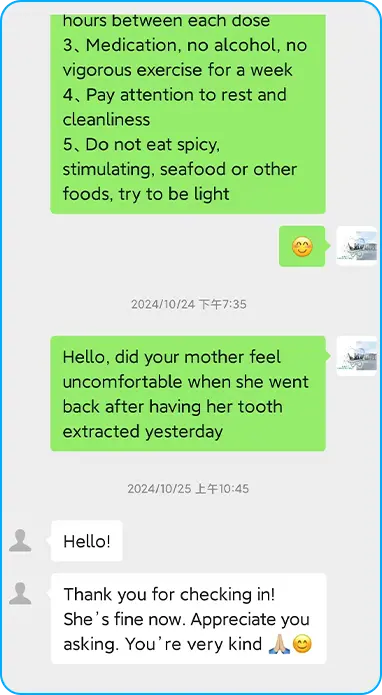
Post-extraction care is essential for healing and pain management. After successfully extracting the tooth, the first step is to apply gentle pressure on the gauze for at least 30 minutes. This helps form a blood clot, which is critical in preventing further bleeding.
As the anesthesia wears off, mild discomfort may arise. Over-the-counter pain relievers like ibuprofen can be beneficial for managing pain. Avoid placing your finger in the socket, suck on straws, or forcefully rinsing the mouth for the first 24 hours to promote optimal healing.
Monitoring the extraction site is equally important. If signs of infection, like increased swelling, pus, or prolonged pain, arise, it’s crucial to seek professional dental help as soon as possible. Recovery can vary among individuals, so patience and careful observation of the healing process can ensure a smoother recovery.
Summary: Successfully extracting a tooth at home can be a daunting yet sometimes necessary task. By properly assessing the situation, preparing thoroughly, carefully executing the extraction, and managing recovery, one can mitigate risks and promote healing. Always prioritize safety and seek professional help when possible to avoid complications.
This article is compiled by Vickong Dental and the content is for reference only.