Summary: Proper dental care is essential for maintaining overall oral health and preventing dental issues. This article explores the importance of consistent dental hygiene practices, the various factors that necessitate tooth extraction, the step-by-step process of extracting a tooth safely and effectively, and the recovery process following the extraction procedure. Each aspect underscores the importance of dental care in everyday life, emphasizing how proper attention to oral hygiene can reduce the need for more invasive treatments like tooth extraction. Ultimately, maintaining good dental habits not only preserves natural teeth but also promotes general wellness.
1. The Necessity of Routine Dental Care

Routine dental care is vital for maintaining oral health and preventing serious dental issues. Regular brushing and flossing help keep plaque at bay and prevent the development of cavities and gum disease. Neglecting these basic hygiene practices can lead to various complications, including tooth decay, infections, and even tooth loss.
Moreover, visiting a dentist for regular check-ups allows for the early detection of problems. Dentists can identify potential issues before they become severe, making it easier and less costly to treat. These preventive measures are essential for maintaining not just a healthy smile but overall health.
Furthermore, educational outreach by dental professionals and clinics emphasizes the importance of understanding proper dental care techniques. Patients who are knowledgeable about oral hygiene can actively engage in their own dental care, leading to healthier long-term outcomes.
2. When Tooth Extraction Becomes Necessary
Tooth extraction is generally considered a last resort when all other treatment options have failed or are inappropriate. Various factors can lead to the need for extracting a tooth, including severe decay that jeopardizes the integrity of surrounding teeth and gums. In such cases, extraction may be the best option to preserve the overall health of the mouth.
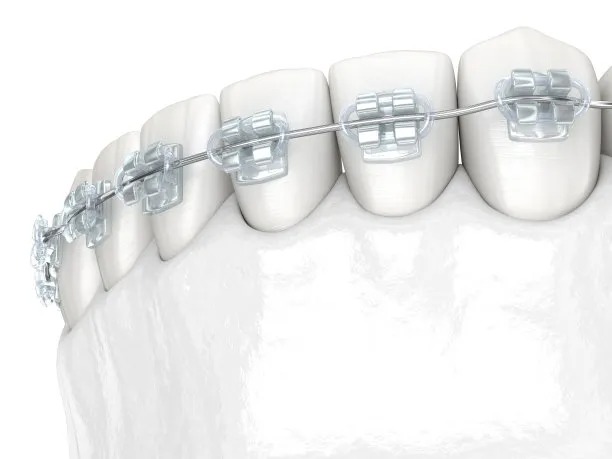
Another common reason for tooth extraction is overcrowding. In some instances, especially when preparing for orthodontic treatment, it becomes necessary to remove one or more teeth to create enough space for the remaining teeth to align properly.
Lastly, periodontal disease, which can cause significance damage to the bone and tissues supporting the teeth, often leads to the requirement for tooth extractions. Managing this condition early can reduce complications; however, in advanced cases, extraction becomes necessary to prevent further issues.
3. The Step-by-Step Extraction Process
The tooth extraction process begins with a comprehensive examination, including an X-ray, to assess the tooths condition and the surrounding structures. The dentist discusses the procedure with the patient, addressing any questions or concerns to ensure that the patient is comfortable and informed.
Once the necessary preparations are complete, the dentist administers a local anesthetic to numb the area around the tooth, ensuring that the patient remains pain-free during the extraction. If the extraction is expected to be more complex, sedation options may also be offered to help ease the patient’s anxiety.
After the anesthesia takes effect, the dentist carefully loosens the tooth using specialized instruments before gently removing it from the socket. This step requires precision to minimize damage to the surrounding bone and tissues. Once the tooth is extracted, the dentist may place gauze to control bleeding and promote clot formation.
4. Post-Extraction Care and Recovery
Post-extraction care is crucial for ensuring a smooth recovery and minimizing the risk of complications. Patients are typically provided with specific instructions, including recommendations for pain management, dietary modifications, and activities to avoid during the initial healing period.
Rest is emphasized during the first 24 hours to help the body heal. Patients are advised to avoid strenuous activities and follow specific guidelines regarding oral hygiene practices to prevent irritation to the extraction site.
Monitoring the extraction site for any signs of complications, such as excessive bleeding or signs of infection, is vital. If any unusual symptoms arise, patients are encouraged to contact their dentist for further evaluation. Proper post-care is essential for achieving a full recovery and restoring oral health.
In conclusion, maintaining proper dental care is crucial for preventing the need for tooth extractions and promoting overall health. Understanding the reasons behind tooth extraction and the entire process can help patients feel more prepared and less anxious when faced with dental procedures. Being proactive about dental hygiene can significantly reduce the risks associated with more severe dental issues.
This article is compiled by Vickong Dental and the content is for reference only.