Summary: Extracting a tooth is a common dental procedure that many patients may face. Understanding the extraction process, including preparation, execution, and aftercare, is essential to ensure optimal recovery and minimize discomfort. This guide explores four crucial aspects of tooth extraction: the reasons for extraction, the procedure itself, aftercare tips, and signs of complications. Each section provides important details that can empower patients to approach their dental visit with confidence. By following professional advice and guidelines, one can ensure a smoother healing process post-extraction.
1. Reasons for Tooth Extraction Explained
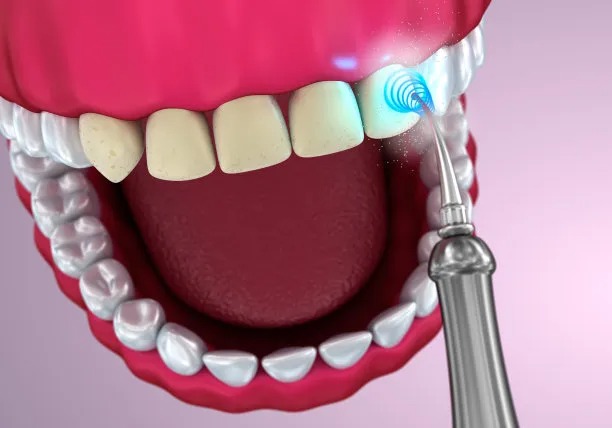
Tooth extraction is typically a last resort, undertaken only when other dental treatments are insufficient. Common reasons for extraction include severe tooth decay, periodontal disease, or overcrowding. In cases of extensive decay, preserving the tooth may no longer be viable, leading to its removal as the best option for dental health.
Another significant reason for tooth extraction is periodontal disease, which can severely damage the gums and supporting bone. When these areas become infected, extracting the affected tooth can prevent the spread of infection and preserve surrounding teeth.
Overcrowding is also a leading cause for extraction, particularly in orthodontic cases. When teeth are too close together, removal may be necessary to allow for proper alignment and spacing. An orthodontist will assess the specific situation and recommend extractions if they are deemed beneficial for ongoing treatment.
2. The Tooth Extraction Procedure Overview
The tooth extraction process begins with a consultation, where the dentist will assess your dental health and take necessary x-rays. Depending on the complexity of the extraction, the procedure can be performed under local anesthesia, sedation, or general anesthesia. Understanding the anesthesia options can help reduce anxiety before the procedure.
Once you are numbed and comfortable, the dentist will carefully wiggle and loosen the tooth using specialized tools. If the tooth is impacted or has an unusual shape, surgical extraction may be needed, involving a small incision in the gums or removal of some bone tissue.
Post-extraction, the dentist will give you instructions on how to manage any bleeding and discomfort. A gauze pad will be placed over the extraction site, which you should keep in place for several hours to aid clot formation. This phase is crucial for ensuring a smooth recovery.
3. Aftercare Guidelines for Quick Recovery
Effective aftercare post-extraction is vital for healing. First and foremost, its essential to rest and minimize physical activity for at least 24 hours to allow the body to begin recovery. Staying hydrated and gradually reintroducing soft foods can make the recovery process smoother.
Managing pain and swelling is also critical. Over-the-counter medications like ibuprofen or acetaminophen can be used but always follow your dentists recommendations. Applying an ice pack to the cheek near the extraction site for 20-minute intervals can help reduce swelling.
Maintaining proper oral hygiene is crucial, but care should be taken not to disturb the extraction site. Gently rinsing your mouth with warm salt water after 24 hours can help keep the area clean. Avoid using straws, spitting, or brushing the extraction site directly for at least a few days, as these actions can dislodge the clot and lead to complications.
4. Signs of Complications That Require Attention
Most tooth extractions heal without issues, but its essential to monitor the extraction site for any signs of complications. One common concern is dry socket, characterized by intense pain that may radiate to the ear, eye, or neck. This occurs when the blood clot dislodges before the healing process is complete.
Another indicator of trouble is persistent swelling or fever. If you experience increased swelling after the first 48 hours or develop a fever, this may signal an infection. Timely consultation with your dentist is necessary in these situations.
Lastly, if the bleeding does not subside after a few hours or if you notice blood in your saliva persistently, seek dental advice immediately. Prompt attention can prevent complications and promote a smoother recovery.
Summary:
Understanding the reasons for tooth extraction, the procedure, necessary aftercare, and signs of complications is essential for patients anticipating this dental procedure. Empowered with knowledge, individuals can alleviate their anxiety and ensure a successful recovery following extraction.
This article is compiled by Vickong Dental and the content is for reference only.