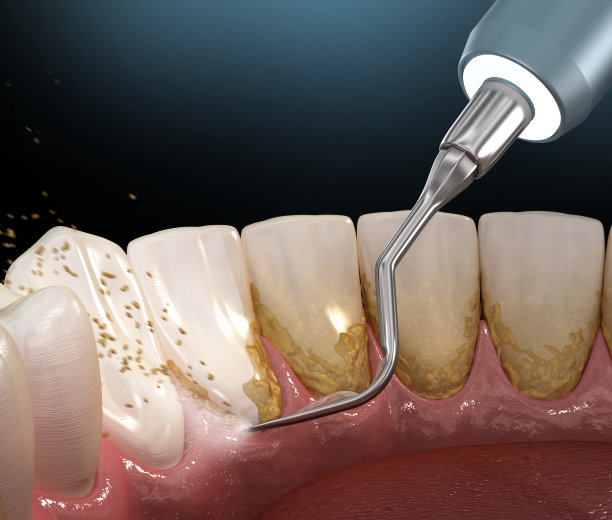
Summary: Extracting a tooth is a significant dental procedure that can greatly impact an individuals oral health. This guide aims to equip readers with an understanding of the entire tooth extraction process, emphasizing the reasons for extraction, the procedure itself, post-extraction recovery, and the tips for ensuring better oral health thereafter. Knowing what to expect can alleviate anxiety associated with dental work and promote effective recovery. By delving into the stages of extraction, as well as the aftercare necessary, patients can feel more prepared and informed, leading to a smoother journey towards optimal oral health.
1. Reasons for Tooth Extraction

Tooth extraction may become necessary for various reasons, the most common being dental decay. When a tooth is severely damaged by decay, it can compromise surrounding teeth and the overall health of the mouth. In such cases, removing the tooth may become crucial to prevent further complications.
Another reason for extraction is overcrowding. As dental structures develop, there might not be enough space for all teeth to align properly. In orthodontics, extracting one or more teeth can help create a balanced and functional bite, improving both aesthetics and oral health.
Additionally, impacted wisdom teeth often necessitate extraction. These teeth can become trapped in the jaw or under the gums, leading to pain, swelling, and potential infections. Removing wisdom teeth can alleviate discomfort and prevent further dental issues, making it an essential part of many dental regimens.
2. The Tooth Extraction Procedure Explained
The tooth extraction procedure begins with an initial dental evaluation. During this examination, the dentist assesses the tooth and surrounding tissue and takes X-rays if needed. This step is crucial in developing a tailored extraction plan, ensuring minimal complications.
Once a plan is established, local anesthesia is administered to numb the area around the tooth. Depending on the complexity of the extraction, sedation options may also be available to enhance patient comfort. After ensuring the area is numb, the dentist proceeds with the extraction using specialized instruments.
The extraction itself may vary in difficulty. Simple extractions, where the tooth is visible and accessible, tend to be quick and straightforward. Conversely, surgical extractions may involve cutting through gum tissue or bone, making the procedure more complex. Regardless, patients receive post-operative instructions to guide them through recovery effectively.
3. Recovery After Tooth Extraction
The recovery phase is vital for ensuring healing after a tooth extraction. Initially, patients are advised to rest and avoid strenuous activities for at least 24 hours post-procedure. This rest can help reduce swelling and lower the risk of complications such as bleeding.
Proper aftercare is equally important. Dentists typically recommend applying ice packs to the cheek to minimize swelling. Additionally, patients should adhere to a soft food diet, avoiding hard or crunchy foods that may irritate the extraction site. Hydration is also essential, but it’s crucial to avoid using straws for the first few days, as sucking can dislodge blood clots and impede healing.
Monitoring for signs of infection, such as increased pain, swelling, or fever, is important during the recovery. If such symptoms arise, patients should contact their dentist promptly to address any potential issues and ensure a healthy recovery process.
4. Tips for Better Oral Health Post-Extraction
Once recovery from a tooth extraction is underway, maintaining good oral hygiene is paramount. Patients should continue brushing their teeth, taking care to avoid the extraction site until it has healed completely. Gentle rinsing with warm saltwater can promote healing and keep the mouth clean during the recovery period.
Incorporating a balanced diet rich in vitamins and minerals can also help expedite recovery. Foods high in calcium and vitamins A and C contribute to strong teeth and healthy gums, setting the stage for better oral health in the future.
Finally, regular dental check-ups become increasingly important after an extraction. These visits allow dentists to monitor the healing process and address any concerns that may arise, ensuring that patients maintain optimal oral health long-term.
Summary:
Understanding the procedure and recovery process of tooth extraction is essential for ensuring better oral health. By knowing the reasons for extraction, the steps involved, and how to care for oneself during recovery, patients are better prepared for what lies ahead. This knowledge not only alleviates fear but also fosters a healthier relationship with dental care.
This article is compiled by Vickong Dental and the content is for reference only.