Summary: Extracting a tooth is a common dental procedure that requires a comprehensive understanding of the process and aftercare to ensure optimal recovery and prevent complications. This article outlines the essential aspects from preparation and procedures involved in tooth extraction, to immediate post-operative care and long-term recovery strategies. Attention to these details can significantly influence pain management, the healing process, and overall dental health. Moreover, understanding potential complications and their management is vital for ensuring a smooth recovery. By following these guidelines, patients can navigate the often challenging post-extraction phase with greater confidence and comfort.
1. Understanding the Tooth Extraction Process
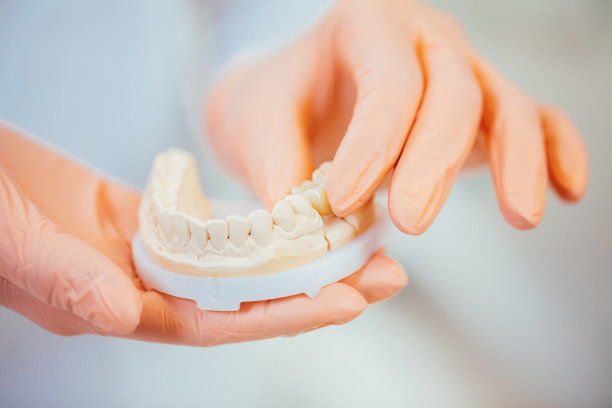
Tooth extraction typically begins with a thorough assessment by your dentist, who will evaluate the tooths condition and the reason for extraction. This initial consultation is essential for determining the best approach, whether for a simple extraction of a visible tooth or for a surgical extraction of an impacted tooth. Understanding the procedure helps ease any anxiety preceding the operation.
The extraction itself involves numbing the area around the tooth using a local anesthetic. Once the area is numb, the dentist carefully loosens the tooth from its socket using specific instruments, ensuring a smooth removal. This process, while sometimes accompanied by a sensation of pressure, is not typically painful due to the effectiveness of local anesthesia.
After the tooth is extracted, the dentist will provide instructions to promote healing and comfort. They may apply gauze to the extraction site to control bleeding and will give guidance on what to expect immediately post-extraction. Knowledge of the extraction process can help demystify the experience and alleviate patient concerns.
2. Immediate Post-Extraction Care Essentials
Immediately following the extraction, it is crucial to follow your dentists aftercare instructions closely. Most importantly, patients should bite down gently on the gauze pad placed over the extraction site for at least 30 to 45 minutes to help control bleeding. Swelling may occur, and using an ice pack on the outside of the face can mitigate this effectively.
To manage discomfort, over-the-counter pain medications or those prescribed by your dentist can be beneficial. Patients are advised to rest and avoid strenuous activities during the initial recovery phase to minimize bleeding and promote healing. Additionally, avoiding rinsing or spitting forcefully helps protect the blood clot that forms to facilitate healing.
Hydration is important, but patients should avoid hot beverages and carbonated drinks immediately after extraction. Instead, sipping cool water or juice is recommended. This combination of rest, medication, and proper hydration is essential for a smooth recovery in the days following the procedure.
3. Long-Term Recovery Strategies for Patients
As the days progress post-extraction, its essential to continue caring for the extraction site properly. Within the first 24 hours, patients should refrain from using straws, smoking, or engaging in activities that create suction in the mouth, as these actions can dislodge the blood clot. This is crucial for preventing dry socket syndrome, a painful condition that can develop when the clot is lost.
As healing progresses, maintaining good oral hygiene becomes increasingly important. Patients should gently brush their teeth, avoiding the extraction site, to keep their mouth clean without disrupting the healing tissue. After a few days, they can begin to introduce gentle rinsing with warm salt water to promote healing and reduce the risk of infection.
Monitoring the recovery progress is vital, and any unusual symptoms such as severe pain, prolonged bleeding, or unexpected swelling should be addressed with a dentist promptly. Regular follow-up appointments are also beneficial to ensure the healing process is progressing as expected, allowing for early intervention if any complications arise.
4. Recognizing Complications After Tooth Extraction
Despite careful post-operative care, complications can arise after a tooth extraction. One of the most common issues is dry socket, which occurs when the blood clot at the extraction site fails to form correctly or becomes dislodged. This condition can lead to significant discomfort and delays in the healing process.
Infection is another potential complication that can occur if bacteria enter the extraction site. Symptoms may include persistent pain, foul taste, and swelling. It is critical for patients to remain vigilant regarding their symptoms and to seek dental attention if they suspect an infection.
If complications arise, timely intervention by a dental professional is crucial. Treatment options may involve cleaning the site, prescribing antibiotics, or providing additional pain management solutions. Understanding these risks and knowing when to seek help can minimize discomfort and promote a better recovery experience.
Summary:
Tooth extraction, while a common procedure, requires careful attention to aftercare for optimal healing. Understanding the extraction process, immediate care instructions, long-term recovery strategies, and potential complications empowers patients to manage their recovery confidently. By adhering to these guidelines, it is possible to achieve a comfortable and uneventful recovery.
This article is compiled by Vickong Dental and the content is for reference only.