Summary: Root canal treatment may seem intimidating, but understanding the essential guidelines can greatly affect the outcome of the procedure. This article outlines key aspects to consider before undergoing root canal therapy for optimal success and comfort. By ensuring that patients are well-prepared through education, effective communication with their dental care provider, proper aftercare, and recognizing the signs of complications, individuals can enhance their experience and promote a favorable recovery. Knowledge is empowering, and being well-informed will aid patients in navigating this crucial dental treatment.
1. Educate Yourself About Root Canal Treatment

Understanding what a root canal treatment entails is vital for reducing anxiety and ensuring a positive experience. Begin by researching what the procedure involves, from the initial examination to the final restoration. Familiarizing yourself with each step will help demystify the process and answer any questions you may have.
Additionally, educating yourself about the potential benefits and risks associated with root canal therapy is crucial. While the majority of patients experience relief and long-term dental health, being aware of possible complications can prepare you for any outcomes. Knowledge helps set realistic expectations and fosters confidence in your treatment journey.
Consider consulting reputable dental websites, reading patient reviews, or engaging with educational videos to fully grasp the procedure. This self-education empowers patients and promotes a collaborative environment with dental professionals throughout the treatment process.
2. Communicate Openly With Your Dentist
Establishing clear and open lines of communication with your dentist is a cornerstone of a successful root canal treatment. Before the procedure, do not hesitate to discuss your concerns, medical history, and any medications you may be taking. This information enables your dentist to tailor the treatment plan to your specific needs.
It’s also beneficial to inquire about the dentist’s experience and approach to handling root canals. Understanding their techniques can increase your comfort level and trust in their abilities. Ask about sedation options available, as managing anxiety is an important aspect of undergoing dental procedures.
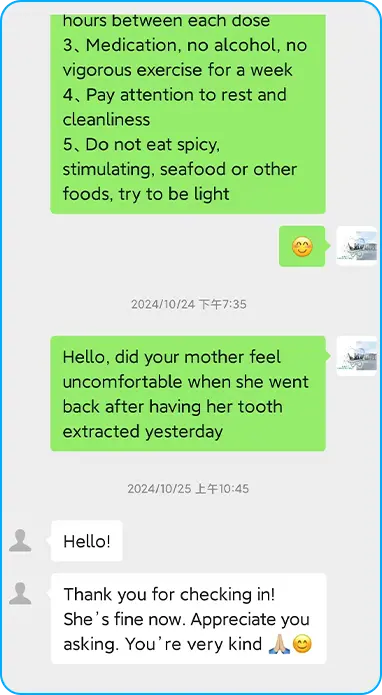
Post-treatment, remain in touch with your dentist to convey any changes or discomfort you may experience. Regular follow-ups ensure that the healing process is on track, and it gives you a platform to address any lingering concerns.
3. Prepare for Aftercare and Recovery
Preparing for aftercare is an essential guideline that is often overlooked. After a root canal, patients may experience numbness and tenderness, which are perfectly normal. However, being prepared for minor inconveniences can smooth the recovery process. Have over-the-counter pain relief ready and plan your schedule to allow for graceful recovery.
It’s also suggested to follow specific post-treatment care instructions provided by your dentist. This may include dietary adjustments, oral hygiene protocols, and activity restrictions. Adhering to these guidelines will contribute to faster healing and prevent complications.
Lastly, make sure to monitor your recovery. If you encounter prolonged pain, swelling, or other unusual symptoms, promptly reach out to your dental care provider. Early intervention is key to managing any complications that may arise.
4. Recognize Signs of Complications Early
Being aware of signs that indicate potential complications can make a significant difference in your recovery. Symptoms such as severe pain that persists beyond a few days, excessive swelling, or discoloration around the treatment area may require immediate attention. Recognizing these signs early can lead to quicker resolutions and better outcomes.
Moreover, it’s vital to maintain regular check-ups with your dentist following the treatment. These visits allow for monitoring the health of the tooth and surrounding tissues, help catch any issues early, and ensure that the healing process is occurring as intended.
Remember, proactive engagement in your dental health is a vital component of successful recovery post-root canal treatment. Symptoms might be subtle at first, so staying vigilant can make all the difference.
Summary:
In summary, effectively managing the root canal process involves being informed and proactive. Educating yourself about the procedure, communicating openly with your dentist, preparing adequately for aftercare, and recognizing complications can significantly enhance your experience. These essential guidelines not only contribute to a successful outcome but also foster comfort throughout the treatment journey.
This article is compiled by Vickong Dental and the content is for reference only.