Summary: Dental implants are a revolutionary solution for replacing missing teeth, offering both functional and aesthetic benefits. This comprehensive guide delves into the types of dental implants available, the procedure involved in their installation, the care required post-surgery, and the long-term benefits they provide for oral health and overall well-being. Whether you’re considering implants for yourself or just curious about the process, understanding these key aspects can help you make informed decisions and pave the way for a rejuvenated smile.
1. Types of Dental Implants You Should Know
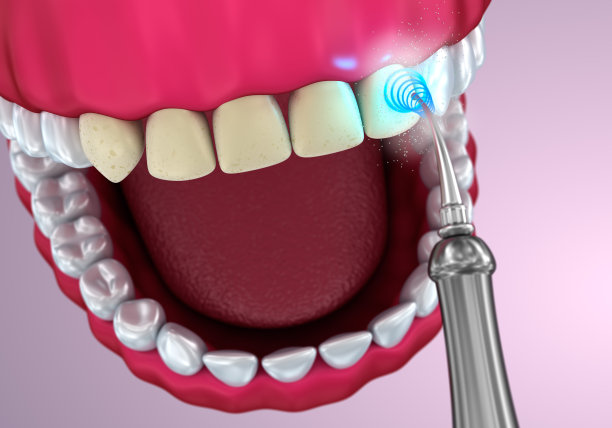
The primary types of dental implants are endosteal and subperiosteal implants. Endosteal implants are the most common and are placed directly into the jawbone. They resemble screws and can support one or more crowns. Subperiosteal implants, on the other hand, are placed under the gum but above the jawbone and are suitable for patients who have a shallow jaw but don’t want bone augmentation.
Furthermore, there are variations such as zygomatic implants, which are anchored in the cheekbone for patients with severe bone loss. This option can be particularly beneficial for those who have been told they are not candidates for other types of implants. Each type has its specific indications based on the individual patient’s needs, bone structure, and lifestyle.
Understanding the differences in implant types can help you choose the right solution in collaboration with your dental professional. They can evaluate your specific dental health needs and guide you towards the most appropriate option for restoring your smile.
2. The Dental Implant Procedure Explained
The dental implant process usually unfolds in several stages, beginning with a comprehensive dental examination and imaging studies to assess bone health. Once deemed suitable, the first step is the surgical placement of the implant into the jawbone, which serves as the artificial tooth root. This procedure is often performed under local anesthesia, making it minimally uncomfortable.
After placement, a healing period of several months is required. This allows for osseointegration, where the bone fuses with the implant, creating a sturdy foundation. During this phase, temporary restorations may be considered for aesthetics and functionality.
Finally, once healing is complete, an abutment is attached to the implant, followed by the placement of the final crown or prosthesis. This multi-step process ensures that the implants are secure and durable, tailored to fit seamlessly with your surrounding teeth.
3. Aftercare for Your Dental Implants
Post-operative care is crucial for the long-term success of dental implants. Initially, your dentist will provide instructions on pain management and oral hygiene practices to minimize the risk of infection. Gentle brushing and rinsing can help maintain the surgical site and surrounding areas.
Regular dental check-ups are essential to monitor the health of your implants and surrounding gums. Professional cleanings will also be necessary to remove plaque and tartar buildup that could compromise the integrity of your implants.
Adopting a healthy lifestyle, including a balanced diet and avoiding tobacco, can enhance the longevity of your implants. Being proactive about your dental care can significantly improve the success rate of your dental implants and overall oral health.
4. Long-term Benefits of Dental Implants
The long-term benefits of dental implants extend beyond aesthetics—they can dramatically improve your oral health and quality of life. Unlike traditional dentures, implants offer enhanced biting and chewing power, allowing you to enjoy your favorite foods without discomfort.
Moreover, dental implants help maintain the jawbone’s density and structure by stimulating it, thereby preventing the bone loss that often accompanies missing teeth. This not only supports your facial structure but also helps preserve the natural alignment of your teeth.
Additionally, dental implants can boost your self-confidence. A complete and beautiful smile can improve your psychosocial well-being, enhance social interactions, and positively impact your personal and professional life. Investing in dental implants is not just about restoring teeth; it’s about enhancing your overall quality of life.
Summary: In conclusion, dental implants offer a comprehensive solution to the challenges posed by missing teeth. By understanding the types of implants available, the procedural steps, diligent aftercare, and the array of long-term benefits, you can make an informed decision about your dental health. A restored smile is more than just an aesthetic enhancement; it paves the way for better oral health and improved self-esteem.
This article is compiled by Vickong Dental and the content is for reference only