Summary: Root canal treatment is an essential dental procedure that aims to save a tooth from decay and infection. However, successful outcomes depend heavily on certain precautions during the procedure. This article discusses four critical aspects that dental professionals must consider: proper diagnosis and planning, effective use of anesthesia, meticulous technique during the procedure, and post-treatment care. By adhering to these precautions, practitioners can ensure a higher success rate while minimizing the risk of complications, thus improving patient satisfaction and oral health outcomes.
1. Proper Diagnosis and Treatment Planning

The foundation of successful root canal treatment lies in accurate diagnosis and thorough treatment planning. Before any procedure begins, dental professionals must assess the extent of decay or infection through clinical examination and imaging techniques, such as X-rays. This step ensures that the treatment is suitable and necessary.
Additionally, gathering detailed patient history, including symptoms and any previous treatments, is crucial in devising an effective treatment plan. This information aids in identifying any underlying issues that may complicate the procedure, allowing the dentist to prepare accordingly.
A well-thought-out treatment plan also involves selecting the appropriate tools and materials. By evaluating the patients specific needs and conditions, practitioners can ensure that they have the necessary resources at hand to conduct the procedure efficiently.
2. Effective Use of Anesthesia Techniques
One vital aspect of root canal treatment is ensuring patient comfort through effective anesthesia. Proper anesthesia not only alleviates pain during the procedure but also helps in reducing patient anxiety. Careful consideration of anesthesia type and dosage is essential, accounting for each patients unique health characteristics and pain tolerance.
It is also advisable to communicate with the patient about the anesthesia process. Providing information about what to expect can significantly decrease anxiety and enhance the overall experience. Additionally, during the procedure, practitioners should continuously monitor the patients comfort level and be prepared to adjust the anesthesia as needed.
In some cases, the use of sedation techniques may also be beneficial. Sedation can assist in calming anxious patients, enabling a more relaxed environment. When appropriate, integrating sedation can contribute to a more efficient and successful treatment outcome.
3. Meticulous Technique During the Procedure
The execution of the root canal procedure itself requires a high level of precision and care. Following standard protocols and using the correct instruments are paramount to avoid complications. Dentists must be methodical in cleaning and shaping the canals while ensuring the removal of infected tissue.
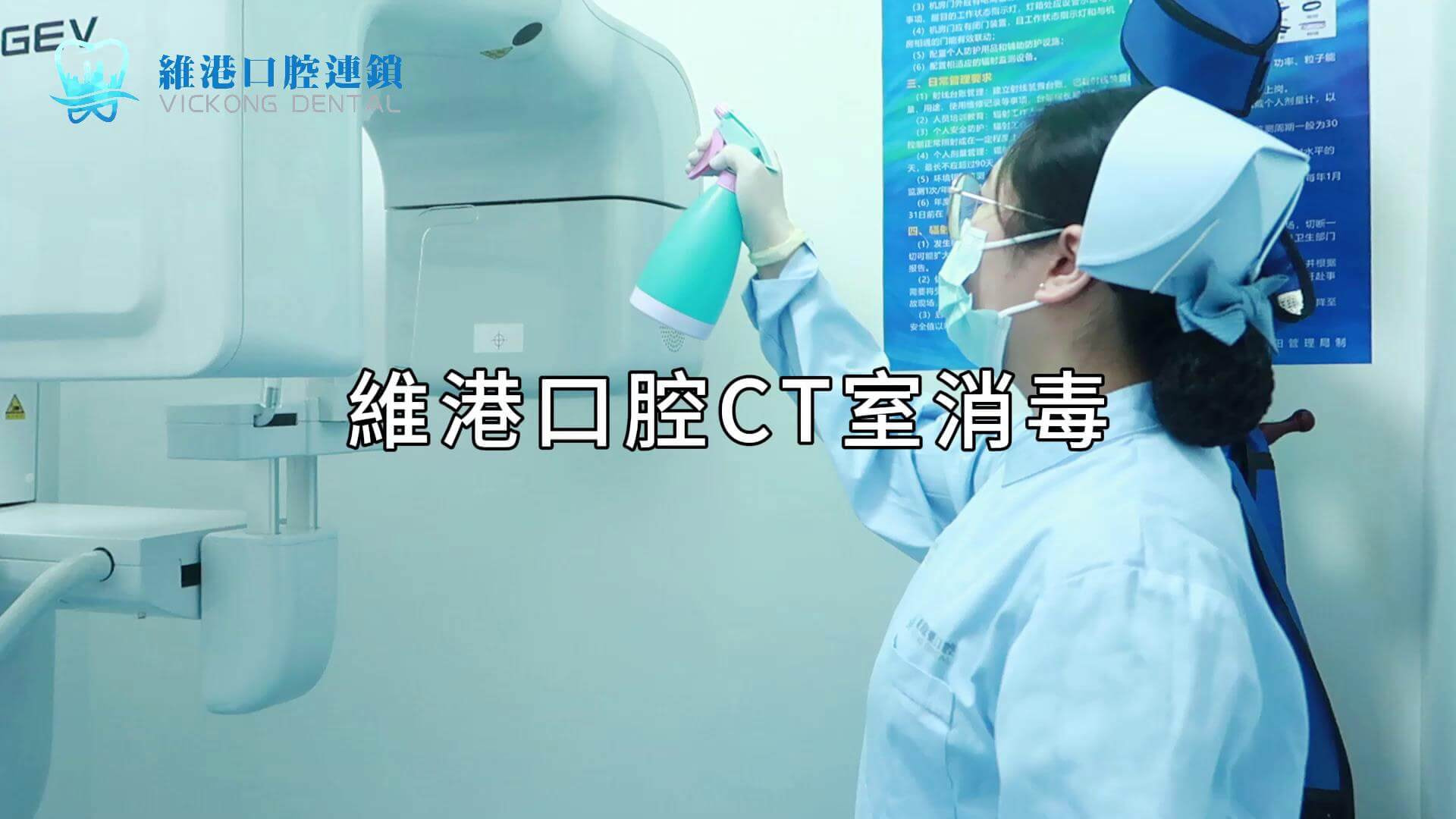
Moreover, maintaining a sterile environment is essential throughout the procedure. Infection control measures, including the use of gloves and sterilized instruments, must be strictly adhered to prevent contamination. This precaution not only ensures the safety of the patient but also supports a successful treatment outcome.
Finally, monitoring and managing any unforeseen complications during the procedure is critical. Dentists should be prepared with contingency plans for issues such as canal blockages or unexpected pain, ensuring a smooth treatment process despite challenges that may arise.
4. Comprehensive Post-Treatment Care
Post-treatment care is as crucial as the procedure itself and plays a significant role in the overall success of root canal treatment. Following the procedure, dentists should provide clear instructions about oral hygiene practices and any medications prescribed, including pain relief and antibiotics as needed.
Regular follow-up appointments should be scheduled to monitor the healing process and address any concerns the patient may have. These visits allow for the early detection of potential complications, such as reinfection or failure to heal, thus ensuring prompt intervention.
Furthermore, educating patients about signs that indicate complications can empower them to seek help early. Instructions on what to look for, such as prolonged pain or swelling, can significantly improve patient outcomes and satisfaction.
Summary:
In conclusion, ensuring successful root canal treatment requires a multifaceted approach involving precise diagnosis, effective anesthesia, meticulous procedural technique, and comprehensive post-treatment care. By prioritizing these essential precautions, dental professionals can significantly enhance treatment outcomes, ultimately benefiting patient oral health and satisfaction.
This article is compiled by Vickong Dental and the content is for reference only