Summary: A successful root canal treatment hinges on several essential precautions that minimize risks during dental procedures. This article delineates critical approaches that both patients and dental professionals can undertake to ensure a safe, effective treatment. From thorough pre-treatment assessments to careful post-operative care, each aspect discussed will help make the journey through a root canal less daunting and much more successful. This piece will provide a comprehensive guide on how to navigate potential complications and guarantee a higher success rate for root canal procedures.
1. Comprehensive Pre-Treatment Assessment

Before initiating any dental procedure, a comprehensive assessment is paramount. This involves diagnostic imaging such as X-rays that reveal the extent of the dental issue. An accurate diagnosis aids practitioners in understanding the precise condition of the root canal, including the state of the tooth structure and surrounding tissues.
Additionally, patients must undergo a thorough medical history evaluation. This helps identify any underlying health issues, allergies, or medications that could complicate the procedure. Ensuring open communication between the dentist and patient builds a foundation of trust, ultimately leading to better treatment outcomes.
Finally, an adequate explanation of the procedure can alleviate patient anxiety. Clear communication allows patients to understand the risks involved, what to expect during treatment, and the importance of adhering to pre-treatment instructions.
2. Utilizing Advanced Dental Technology
The integration of advanced dental technology can significantly enhance the success rate of root canal treatments. For instance, the use of digital radiography provides high-resolution images that help dentists get a clearer view of tooth structures. This technology not only improves diagnosis but also aids in planning the treatment accurately.
Moreover, employing rotary instruments during the cleaning and shaping phase can streamline the root canal process. These tools allow for more efficient removal of infected tissue while reducing the risk of procedural errors, such as canal perforation.
Finally, implementing biocompatible materials during the filling of the canal can ensure optimal healing. Modern dental sealants protect against reinfection and promote healing, ultimately leading to improved treatment success rates.
3. Ensuring Sterile Conditions in the Clinic
Maintaining sterile conditions is crucial in minimizing the risk of infection during dental procedures. Dentists must adhere to strict infection control protocols, including proper sterilization of instruments and use of barriers, such as gloves and masks. This reduces the chance of transmitting infections from one patient to another.
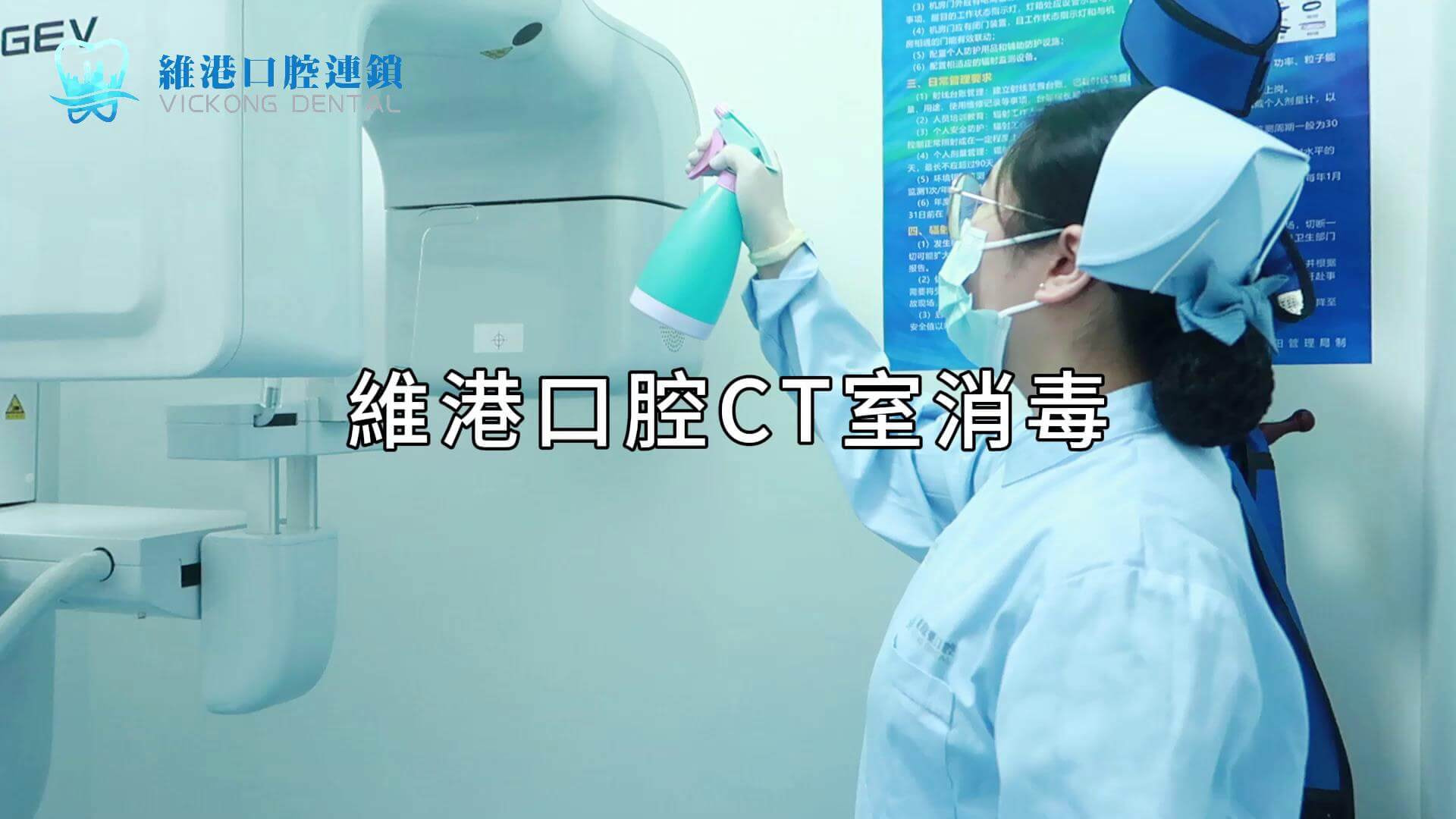
In addition to instrument sterilization, the treatment area must be disinfected thoroughly. This precaution ensures that any surfaces that may come in contact with tools or treatment materials are free from harmful pathogens. Regular cleaning and sanitization are recommended practices that go a long way in safeguarding patient health.
Furthermore, ensuring that all team members involved in the procedure are trained in infection control measures is essential. This ongoing education helps dental professionals stay updated on best practices for maintaining a sterile environment, thereby enhancing patient safety during root canal treatments.
4. Effective Post-Operative Care Plans
After a root canal treatment, effective post-operative care is vital for recovery and success. Patients should receive clear guidance on how to manage their symptoms at home, including pain management strategies and dietary recommendations. Understanding what to expect during the healing process will reassure patients and aid their recovery.
Regular follow-up appointments are also critical. These allow dentists to monitor the progress of healing, address any complications early, and evaluate the success of the root canal treatment. Early intervention can prevent more severe issues that may arise after a procedure.
Moreover, patients should be encouraged to maintain good oral hygiene, as this can significantly affect the healing process. Providing tips on proper brushing, flossing, and mouth rinsing will empower patients to play an active role in their post-treatment care.
Summary:
Implementing comprehensive precautions is essential in ensuring a successful root canal treatment and minimizing risks associated with dental procedures. By prioritizing pre-treatment assessment, utilizing advanced technology, ensuring sterile conditions, and following effective post-operative care plans, both dental professionals and patients can work together towards achieving optimal outcomes.
This article is compiled by Vickong Dental and the content is for reference only