Summary: Root canal treatment is a pivotal procedure in modern dentistry, aimed at eliminating infection and preserving the structure of a tooth. This article emphasizes essential guidelines and precautions necessary for achieving successful outcomes in root canal treatments, ensuring comfort and satisfaction for patients. Key areas discussed include proper diagnosis and treatment planning, advanced techniques and technologies, effective pain management, and post-treatment care. By adhering to these protocols, dental professionals can significantly enhance patient experiences and outcomes, leading to better long-term results and minimized complications.
1. Proper Diagnosis and Treatment Planning

A thorough diagnosis is the cornerstone of successful root canal treatment. Dentists must utilize comprehensive methods, including clinical exams, radiographic imaging, and patient medical history reviews. This foundational step helps in identifying the extent of infection and deciding on the best treatment approach.
Further, developing a detailed treatment plan is essential. It should outline the step-by-step process tailored to individual patient needs, which includes specifying the type of materials to be used and estimating the number of sessions required. Clear communication with patients regarding the treatment plan can help alleviate their anxiety.
Moreover, anticipating potential complications is crucial in this phase. Understanding patients’ unique dental anatomy, such as abnormal canal morphology, can allow dentists to plan for challenges that may arise during the procedure, thus enhancing the likelihood of successful treatment.
2. Advanced Techniques and Technologies
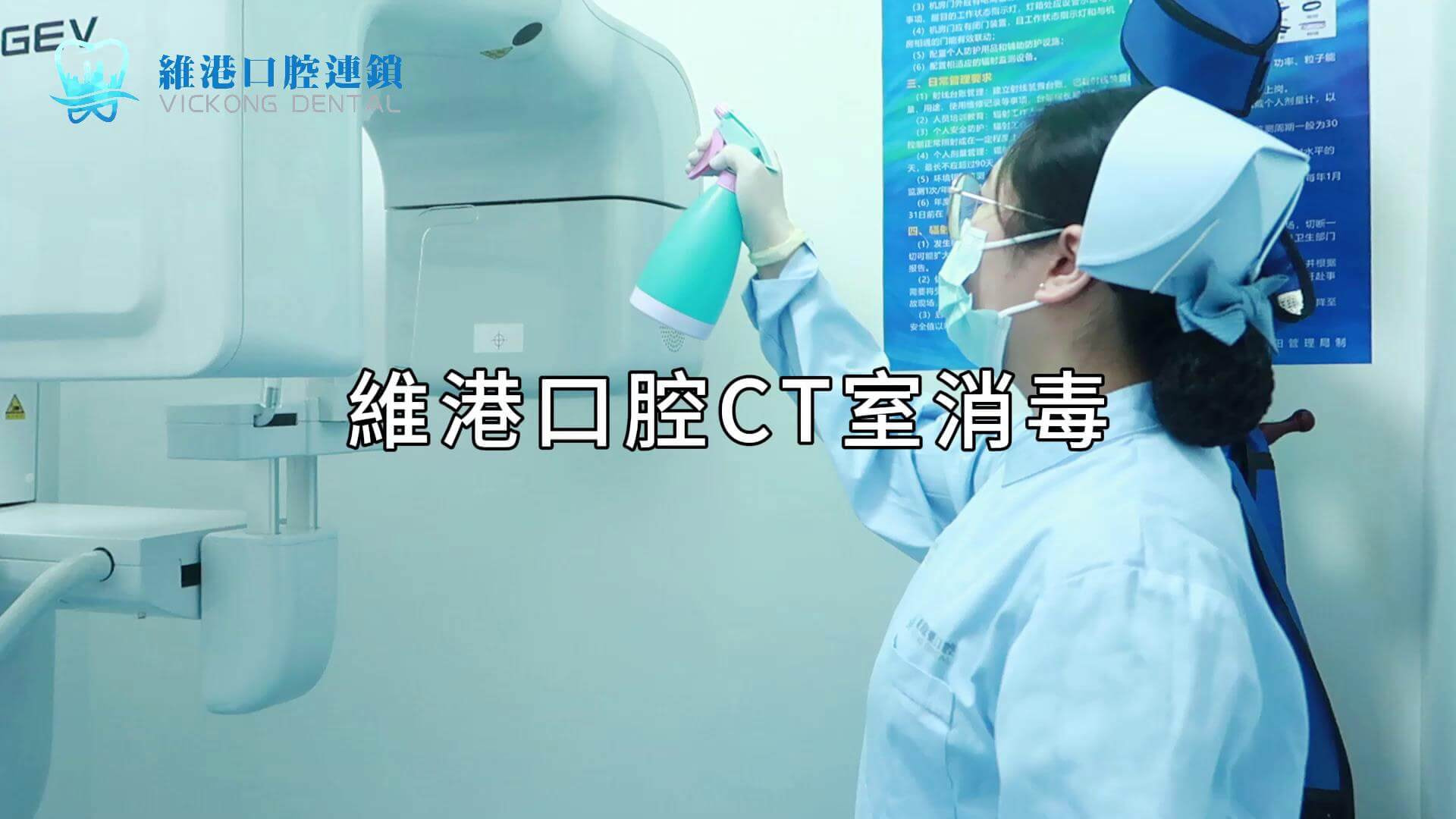
Utilizing cutting-edge technology can significantly improve the success rate of root canal treatments. Digital radiography, for example, offers enhanced imaging, allowing for better visualization of tooth structures and more precise diagnosis. This technology reduces radiation exposure, making it safer for patients.
Additionally, employing advanced endodontic instruments, such as rotary file systems, can enhance efficiency during the procedure. These tools allow for more precise canal preparation while minimizing the risk of canal transportation or fracture.
Lastly, the use of operating microscopes can provide improved visibility during the treatment, enabling dentists to identify and treat complex infections that may otherwise go unnoticed. Such advances in technology are essential for optimizing patient outcomes and ensuring thorough care.
3. Effective Pain Management Techniques
Pain management before, during, and after the procedure is critical to ensuring patient comfort. Administering appropriate local anesthesia prior to initiating treatment is essential in minimizing pain perception during the procedure. Dentists should tailor anesthetic techniques to accommodate individual patient needs.
In addition, sedation options can be introduced for anxious patients. Whether through nitrous oxide, oral sedation, or intravenous options, these methods can significantly enhance patient comfort and reduce anxiety levels during treatment.
Post-operative pain management is equally important. Providing detailed instructions on pain relief methods, including over-the-counter medications and specific care tips, can help patients manage discomfort effectively following the procedure, leading to a smoother recovery process.
4. Post-Treatment Care and Follow-Up
Proper post-treatment care is vital for ensuring the long-term success of root canal therapy. Dentists should educate patients about signs of infection or complications that may arise after treatment. Informing them about what to expect in terms of recovery can alleviate concerns and enable quick responses if issues occur.
Regular follow-up appointments are essential to assess the healing process and address any concerns. These visits allow the dentist to evaluate the success of the treatment and make necessary adjustments based on the patient’s recovery progress.
Encouraging good oral hygiene practices can also contribute to successful outcomes. Patients should be advised on maintaining good dental hygiene to prevent reinfection, which is key to the long-term success of the root canal treatment.
Summary:
In summary, adhering to essential guidelines and precautions in root canal treatment plays a crucial role in achieving optimal patient outcomes and comfort. From accurate diagnosis and utilizing advanced technologies to effective pain management and diligent post-treatment care, each aspect significantly influences the success of the procedure. By following these practices, dental professionals can enhance patient experiences and improve overall satisfaction.
This article is compiled by Vickong Dental and the content is for reference only.