Summary: Root canal treatment is a critical dental procedure aimed at saving infected or damaged teeth. For both patients and dentists, ensuring safety and success during this treatment is paramount. This article highlights four essential precautions: thorough pre-treatment assessments, effective infection control measures, meticulous procedural techniques, and appropriate post-treatment care. Each section outlines the significance of these precautions and provides actionable insights to enhance the experience for both parties. By adhering to these guidelines, practitioners can minimize risks and improve outcomes, ensuring that patients receive the best possible care.
1. Thorough Pre-Treatment Assessments

The first and foremost precaution in ensuring safe root canal treatment is the conducting of thorough pre-treatment assessments. Dentists should perform comprehensive examinations to gather pertinent data about the patient’s dental and medical history. This includes understanding any existing health conditions that may affect the procedure, such as heart disease or diabetes.
Radiographic evaluation is also crucial. X-rays will provide detailed images of the infected tooth and its surrounding structures, helping to determine the extent of the infection and the number of canal systems present. Accurate diagnosis is vital for devising a precise and effective treatment plan.
Furthermore, it is essential for dentists to discuss the treatment process with patients, including the potential risks and benefits. Open communication fosters trust and helps patients feel more comfortable, thus reducing anxiety and ensuring better cooperation throughout the procedure.
2. Effective Infection Control Measures
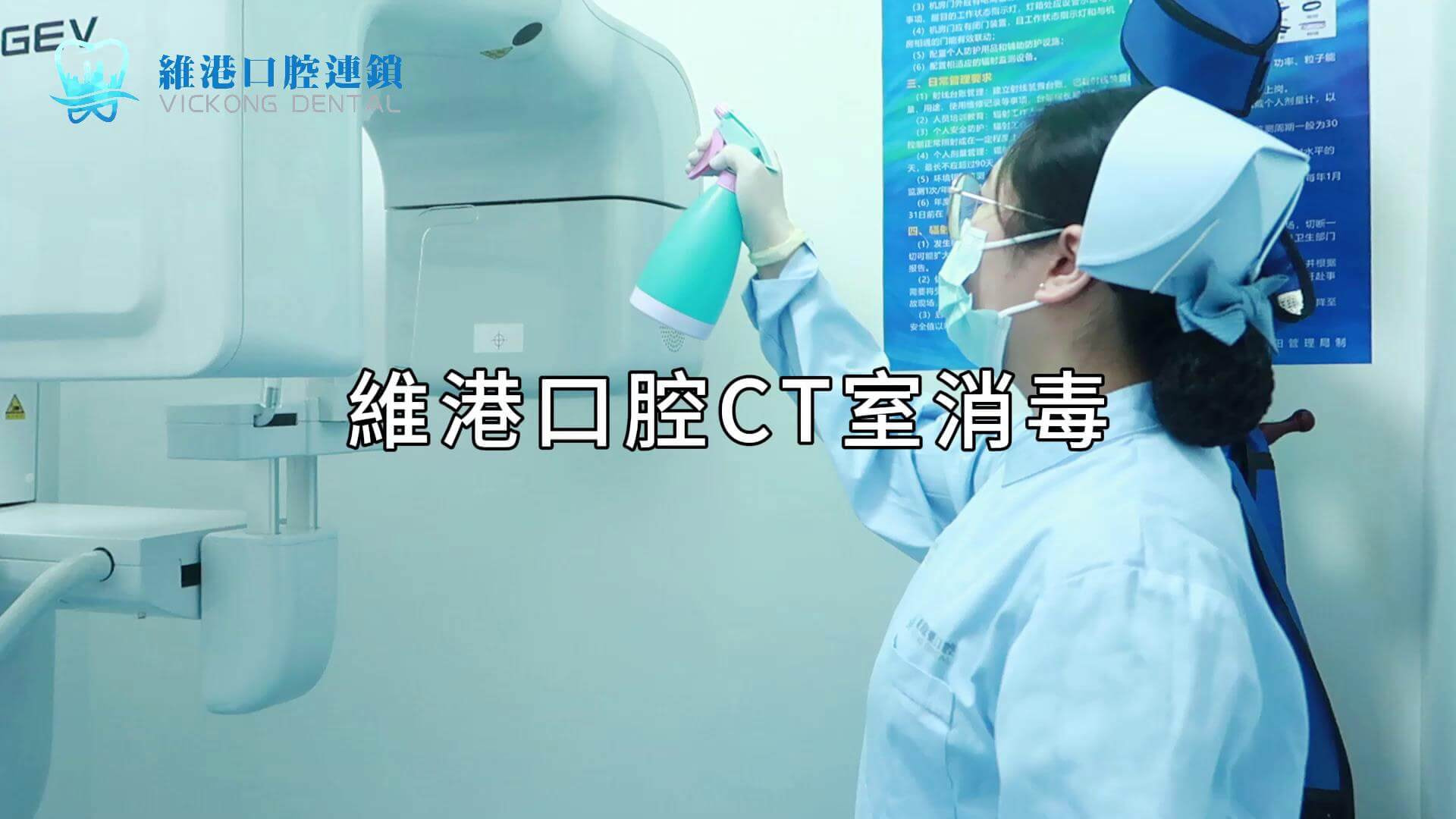
Infection control protocols are indispensable in root canal treatments. These measures not only protect patients but also ensure the safety of dental practitioners. Utilizing sterilized instruments and maintaining a clean working environment reduces the risk of introducing pathogens during the procedure.
Additionally, the use of rubber dams is recommended. These barriers isolate the tooth being treated from saliva and other bacteria typically found in the mouth. This isolation not only maintains a dry work area but also prevents the spread of infection to surrounding tissues.
Antimicrobial irrigation solutions, such as sodium hypochlorite, should be used to disinfect the canals during the procedure. These solutions effectively remove debris and bacteria, significantly reducing the chances of post-treatment infections and complications.
3. Meticulous Procedural Techniques
The success of root canal treatment hinges on the dentists procedural techniques. Practitioners must employ meticulous methods when cleaning and shaping the root canals. This is typically achieved using specialized rotary instruments designed for precision.
Maintaining adequate working length is also crucial. Accurately measuring the depth of the root canals ensures that all infected tissue is removed without risking damage to surrounding structures. Dentists should also be vigilant about avoiding procedural errors, such as perforations or ledging, which can lead to unsuccessful outcomes.
Post-procedural evaluations, including taking follow-up radiographs, are vital to assess the effectiveness of the treatment and ensure optimal healing. Proper documentation of the procedure enhances transparency and allows for better tracking of patient recovery.
4. Appropriate Post-Treatment Care
Post-treatment care is essential for a successful recovery following root canal treatment. Dentists should provide clear instructions to patients regarding signs of complications, such as excessive swelling or prolonged pain. This empowers patients to seek prompt care if any issues arise.
Furthermore, follow-up appointments are critical for monitoring the healing process. During these visits, dentists can evaluate the treated tooth and ensure that the infection has been resolved, promoting long-term dental health.
Patients should also be advised on maintaining oral hygiene practices following treatment. Proper brushing, flossing, and regular dental check-ups play an integral role in preventing future issues and preserving the health of the treated tooth.
Summary: In conclusion, root canal treatments can be safe and successful when key precautions are observed. Thorough pre-treatment assessments set the foundation for positive outcomes; effective infection control measures minimize risks; meticulous procedural techniques ensure the integrity of the treatment; and appropriate post-treatment care helps consolidate success. By focusing on these essential precautions, patients and dentists can foster a collaborative environment that promotes healing and satisfaction.
This article is compiled by Vickong Dental and the content is for reference only.