Summary: Root canal treatment (RCT) is a crucial dental procedure aimed at saving teeth affected by infection or decay. Achieving safe and effective outcomes requires careful planning and execution. This article outlines essential steps and considerations for RCT, focusing on proper diagnosis, patient assessment, treatment techniques, and postoperative care. Each aspect plays a vital role in ensuring that the procedure is conducted safely and effectively, minimizing risks while maximizing the success of the treatment. Whether you are a dental professional or a patient, understanding these steps is essential for a favorable outcome.
1. Accurate Diagnosis of Dental Issues
Before any dental treatment, an accurate diagnosis is paramount. For root canal therapy, this involves identifying the extent of infection or decay. Dentists rely on various diagnostic tools, including X-rays and clinical examinations, to assess the condition of the tooth accurately. This initial step helps create a tailored treatment plan.
Moreover, it’s not just about spotting the immediate problem; understanding the patient’s medical history and any underlying health conditions is crucial. Certain systemic illnesses or medications can influence treatment decisions and outcomes. Hence, a comprehensive patient assessment is necessary.
Finally, during diagnosis, dentists should discuss the potential risks and benefits of root canal treatment with patients. This transparency builds trust and ensures that patients are well-informed and comfortable with the planned procedure.
2. Comprehensive Patient Assessment and Preparation
Once the diagnosis is established, a thorough patient assessment is key. This includes informing patients about the procedure, what to expect, and discussing any concerns they might have. A comfortable patient is more likely to cooperate and experience less anxiety during treatment.
The treatment area must also be adequately prepared. This involves using local anesthesia to numb the affected tooth, ensuring that the patient experiences minimal discomfort. Additionally, the dentist should determine if the patient has allergies or adverse reactions to anesthetics or medications.
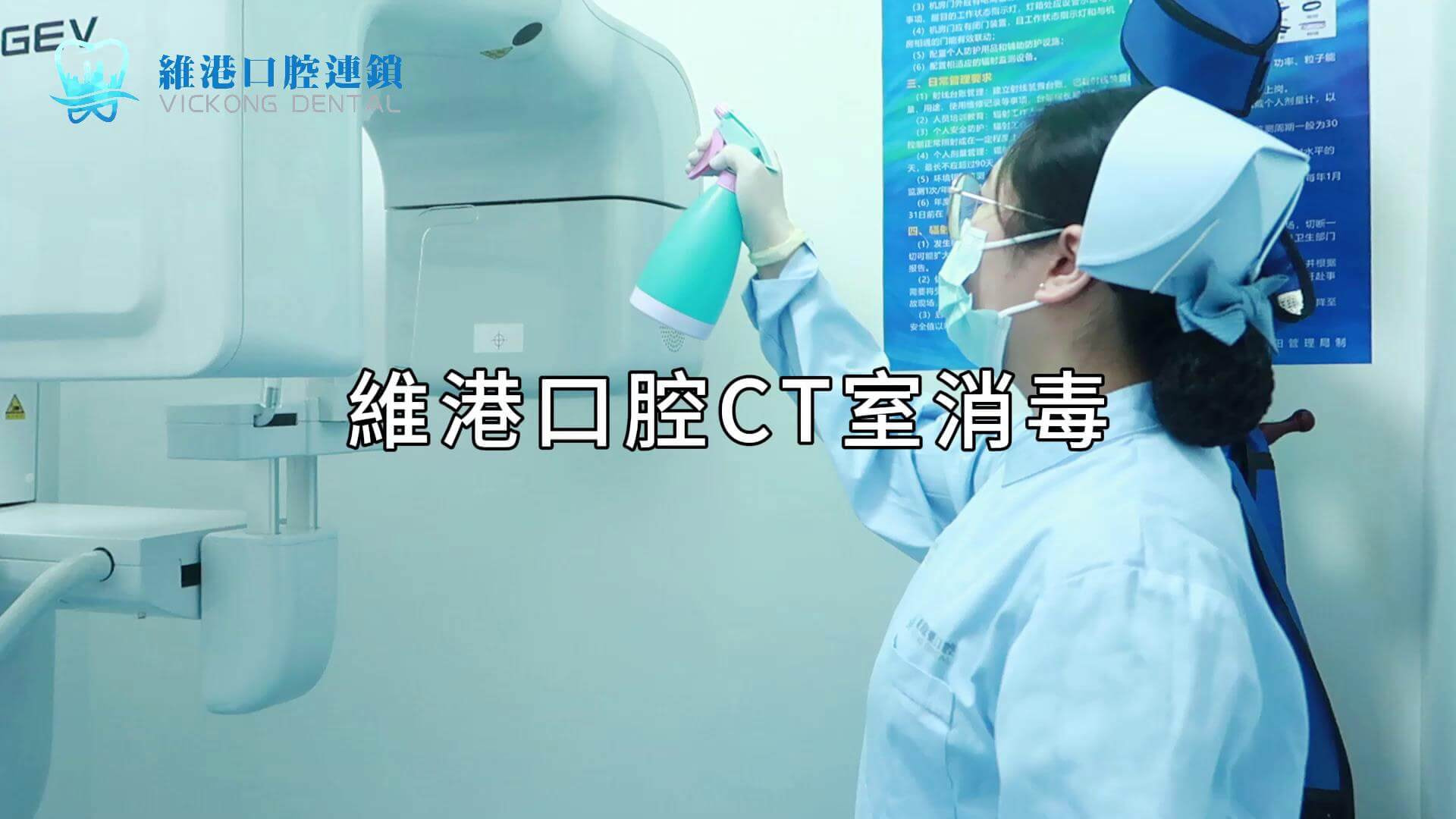
Furthermore, proper sterilization of instruments and the treatment environment is critical to prevent infection post-treatment. The use of gloves, masks, and sterile tools ensures that the procedure maintains the highest standards of hygiene and safety.
3. Effective Treatment Techniques for RCT
When it comes to performing the root canal procedure, technique plays a crucial role. Dentists must carefully and methodically clean and shape the root canals, removing infected tissue and debris. Utilizing the right tools, such as endodontic files and irrigants, can greatly enhance the effectiveness of the procedure.
Moreover, the dentist should have a clear understanding of the unique anatomical variations of the tooth being treated. Each tooth can have differing canal configurations, and a meticulous approach is necessary to navigate these intricacies effectively.
To ensure the highest quality of treatment, current advancements in technology, such as digital imaging and apex locators, can assist dentists in achieving accuracy and precision. These innovations not only improve success rates but also help in reducing treatment time and discomfort for patients.
4. Postoperative Care and Follow-Up
Postoperative care is a crucial yet often overlooked component of root canal treatment. After the procedure, patients should be given detailed instructions about care to minimize discomfort or complications. This might include recommendations about pain management and dietary adjustments.
Additionally, follow-up appointments are essential to monitor the healing process. These visits allow the dentist to assess the success of the treatment and determine if any further interventions are necessary. The dentist should encourage patients to report any unusual symptoms, such as persistent pain or swelling, as these could indicate complications.
Patients should be educated about the importance of maintaining good oral hygiene and regular dental check-ups following a root canal procedure. This proactive approach not only helps ensure the longevity of the treated tooth but also promotes overall dental health.
Summary:
In conclusion, the success of root canal treatment relies heavily on accurate diagnosis, thorough patient assessment, effective treatment techniques, and diligent postoperative care. Each of these aspects must be executed with care to ensure safe and effective outcomes for patients suffering from dental infections. Understanding and implementing these essential steps allow dental professionals to provide optimal care and facilitate successful treatment experiences.
This article is compiled by Vickong Dental and the content is for reference only.