Summary: Root canal treatment is a common dental procedure aimed at salvaging an infected or damaged tooth. However, ensuring the safety and success of this intricate treatment involves several essential precautions that both dentists and patients should follow. This article explores these precautions in detail, focusing on proper diagnosis and assessment, the importance of selecting a qualified endodontist, the role of sterile techniques during the procedure, and the significance of post-treatment care. By adhering to these guidelines, individuals can enhance their chances of a successful root canal, thereby protecting their dental health and ensuring longevity of their teeth.
1. Proper Diagnosis and Assessment Procedures

A successful root canal treatment begins with an accurate diagnosis and thorough assessment of the affected tooth. Dentists use various diagnostic tools, including digital X-rays and visual examinations, to determine the extent of decay or infection. This meticulous evaluation enables the identification of potential complications and informs the treatment plan.
Furthermore, a comprehensive patient history is vital. The dentist must evaluate the patients previous dental history, allergies, and any underlying conditions. This information is essential to customize the treatment approach and avoid unnecessary risk.
Finally, proper communication between the dentist and the patient is crucial. Patients should feel free to ask questions and express concerns regarding the procedure. Open communication fosters trust and allows for a more tailored approach to treatment.
2. Choosing a Qualified Endodontist
Selecting a qualified endodontist significantly impacts the outcome of a root canal procedure. Endodontists are dental specialists who undergo additional training focused on procedures associated with the interior of the tooth. Their expertise ensures that the treatment is performed with precision, increasing the likelihood of success.
It is advisable to research potential endodontists before scheduling an appointment. Reading reviews and requesting recommendations from friends or general dentists can provide insights into the endodontists skills and patient satisfaction levels. Additionally, verifying the endodontists credentials and membership in professional associations provides an extra layer of assurance about their qualifications.
Furthermore, choosing a provider who stays current with the latest techniques and technologies in endodontics will enhance the quality of care. The field is continuously evolving, and advancements can lead to more effective and comfortable treatment options.
3. Importance of Sterile Techniques During Treatment
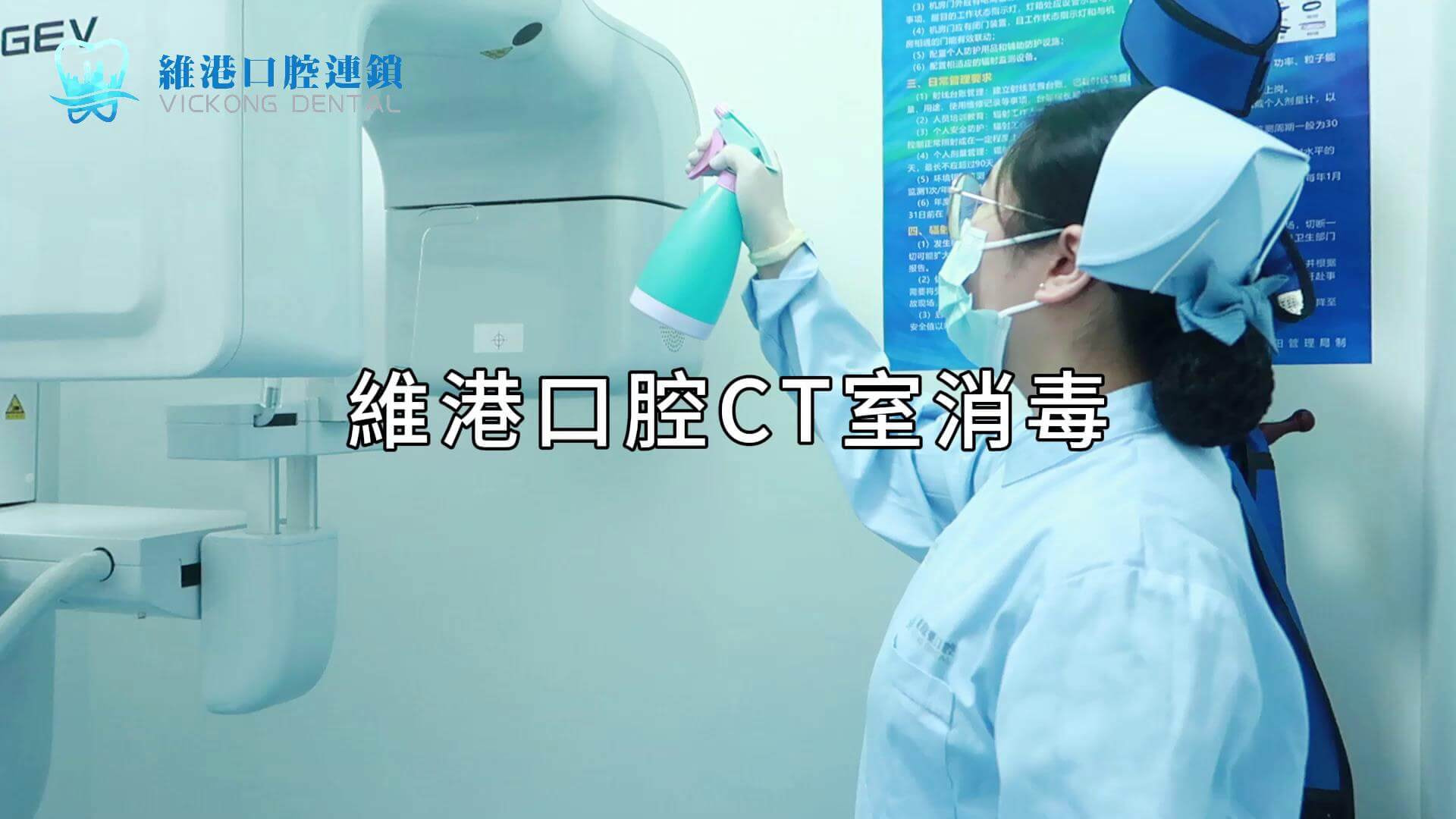
Maintaining a sterile environment is a cornerstone of successful root canal treatment. Infection control minimizes the risk of complications and safeguards both the patient and dental staff. Before beginning the procedure, the dentist should ensure all instruments are properly sterilized and the treatment area is disinfected.
During the procedure, the use of single-use materials for instruments, such as gloves and drapes, is paramount. This practice plays a crucial role in preventing cross-contamination and ensures that the procedure is carried out under the safest conditions possible.
Moreover, adhering to sterile techniques can help in managing the patient’s comfort throughout the procedure. Utilizing appropriate sedation methods, coupled with a sterile environment, minimizes anxiety and promotes a smoother treatment process.
4. Significance of Post-Treatment Care
Post-treatment care is essential for achieving long-term success after a root canal. Patients should adhere to follow-up appointments, as these visits allow the dentist to monitor healing and detect any potential issues early. This proactive approach can prevent future complications.
Additionally, following the dentists aftercare instructions regarding medication, diet, and oral hygiene practices is crucial. Pain management is often required, but its necessary to avoid self-medicating without consulting the dentist, as mismanagement of pain could lead to further complications.
Lastly, maintaining good oral hygiene practices post-treatment will support the healing process. Regular brushing, flossing, and avoiding hard foods can contribute to a quicker recovery and a successful long-term outcome for the treated tooth.
Summary:
In conclusion, taking essential precautions ensures a safe and successful root canal treatment, benefiting patients and their overall dental health. By emphasizing proper diagnosis, choosing qualified specialists, adhering to sterile techniques, and following post-treatment care guidelines, individuals can significantly enhance their treatment outcomes.
This article is compiled by Vickong Dental and the content is for reference only.