Summary: Root canal treatment is a crucial procedure aimed at saving damaged teeth, yet its success depends on a variety of essential precautions. This article outlines vital measures to enhance patient safety and ensure a positive outcome. Key aspects covered include pre-operative assessments, infection control procedures, effective anesthesia administration, and post-treatment care. Each section highlights specific strategies and protocols designed to mitigate risks and improve the overall experience for patients, emphasizing the role of dental practitioners in creating a safe environment during this complex procedure. By adhering to these precautions, both patients and practitioners can achieve successful canal treatments with minimized complications.
1. Comprehensive Pre-Operative Assessments

The importance of thorough pre-operative assessments cannot be overstated. Dentists must take the time to review the patients medical history, existing conditions, and current medications. Understanding previous dental issues, allergies, and systemic diseases helps in formulating a safe and effective treatment plan.
Additionally, diagnostic imaging is essential in preparing for a root canal. X-rays or 3D imaging should be conducted to evaluate tooth anatomy and identify any potential complications, such as root fractures or complex canal systems. This enables the practitioner to devise a strategy tailored to the individual needs of the patient.
Finally, informed consent is a critical component of this process. Patients should be fully educated about the procedure, its risks, benefits, and alternatives, fostering a partnership in decision-making that prioritizes their safety and comfort.
2. Rigorous Infection Control Procedures
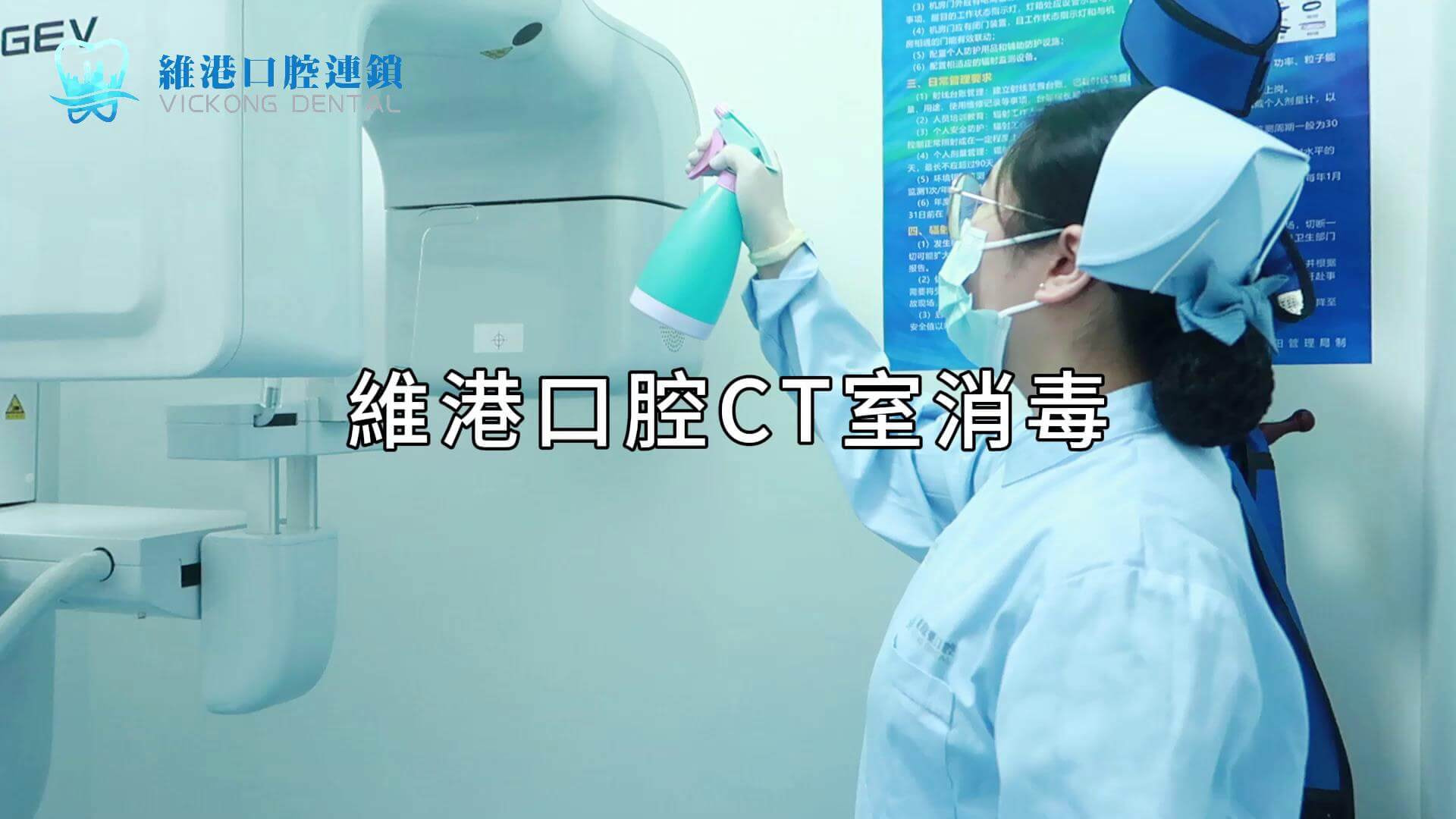
Infection control is one of the foremost precautions in ensuring patient safety during root canal treatments. The dental office must maintain a sterile environment by adhering to strict hygiene protocols. This includes using appropriate personal protective equipment (PPE), such as gloves, masks, and protective eyewear.
Moreover, dental instruments must be thoroughly sterilized before use. Employing autoclaves and following proper disinfection protocols for all surfaces and equipment minimizes the risk of cross-contamination and ensures a clean working space for the practitioner.
Additionally, pre-procedure antiseptic rinses can be beneficial in reducing the bacterial load in the oral cavity. Using antimicrobial mouthwashes can help protect both patients and staff by minimizing the potential for infections during the treatment.
3. Effective Anesthesia Administration
The administration of anesthesia is a crucial part of root canal procedures to ensure patient comfort. Dentists should conduct a thorough evaluation to determine the appropriate type and dosage of anesthesia, considering each patients pain threshold and anxiety levels.
Local anesthesia, combined with sedation options for anxious patients, can greatly improve the overall experience. Dentists should also remain vigilant in monitoring the patients response throughout the procedure, being prepared to adjust anesthesia levels as necessary.
Furthermore, educating patients about the anesthesia process, including potential side effects or complications, can mitigate anxiety and foster trust. Ensuring a gentle and empathetic approach during anesthesia administration can also enhance the patients overall comfort during this often-stressful procedure.
4. Comprehensive Post-Treatment Care
Post-treatment care is paramount in ensuring a successful outcome and enhancing patient safety following a root canal. Dentists must provide clear instructions regarding oral hygiene, pain management, and activity restrictions to ensure optimal healing.
Patients should also be advised on recognizing signs of complications, such as excessive swelling or persistent pain, and when to seek immediate assistance. Encouraging open communication channels can help address any concerns promptly and efficiently.
Follow-up appointments are crucial in monitoring the healing process and addressing any emerging issues. Regular check-ups can facilitate timely interventions, further enhancing the success rate of the treatment and ensuring long-term dental health.
Summary:
The discussed precautions emphasize the need for a comprehensive approach to root canal treatment. From thorough pre-operative assessments to rigorous infection control measures, effective anesthesia, and comprehensive post-treatment care, every step plays a vital role in ensuring patient safety and treatment success.
By prioritizing these essential precautions, dental practitioners can significantly enhance patient outcomes, providing a secure and supportive environment throughout the procedure.
This article is compiled by Vickong Dental and the content is for reference only