Summary: Undergoing root canal treatment can be a daunting experience for many patients. It is essential to be informed about the necessary guidelines and precautions to ensure a successful procedure. This article will explore key considerations including understanding the procedure, selecting the right dentist, recognizing potential costs, and managing post-treatment care. By being prepared and aware of these aspects, patients can alleviate anxiety and contribute to a smoother recovery.
1. Understanding the Root Canal Procedure

Before deciding to undergo root canal treatment, its crucial to understand the procedure thoroughly. A root canal is performed to save a tooth that is infected or severely decayed. The dental professional removes the infected pulp, cleans the interior, and seals it to prevent future infections. Knowing what is involved can help alleviate any fears associated with the procedure.
Patients should be aware that modern root canal procedures are relatively straightforward and often involve minimal discomfort due to advances in dental technology and anesthesia. Most patients report feeling little to no pain during the procedure, making it more approachable than many might believe.
Additionally, understanding the benefits of a root canal is vital. Preserving the natural tooth structure can lead to better long-term oral health outcomes compared to extracting the tooth, which could result in more complex restorative procedures later on.
2. Choosing the Right Dental Professional
Choosing the right dentist is one of the most important steps in preparing for root canal treatment. Not all dental professionals are equally qualified in performing this intricate procedure. Seeking a specialist, known as an endodontist, ensures that you are in skilled hands, as these professionals have advanced training specifically in treating issues related to dental pulp.
When selecting a dentist, consider their credentials, experience, and patient reviews. Consulting with friends, family, or even your general dentist can provide valuable recommendations. Additionally, dont hesitate to ask prospective dentists questions about their approach to root canals and what technologies they employ.
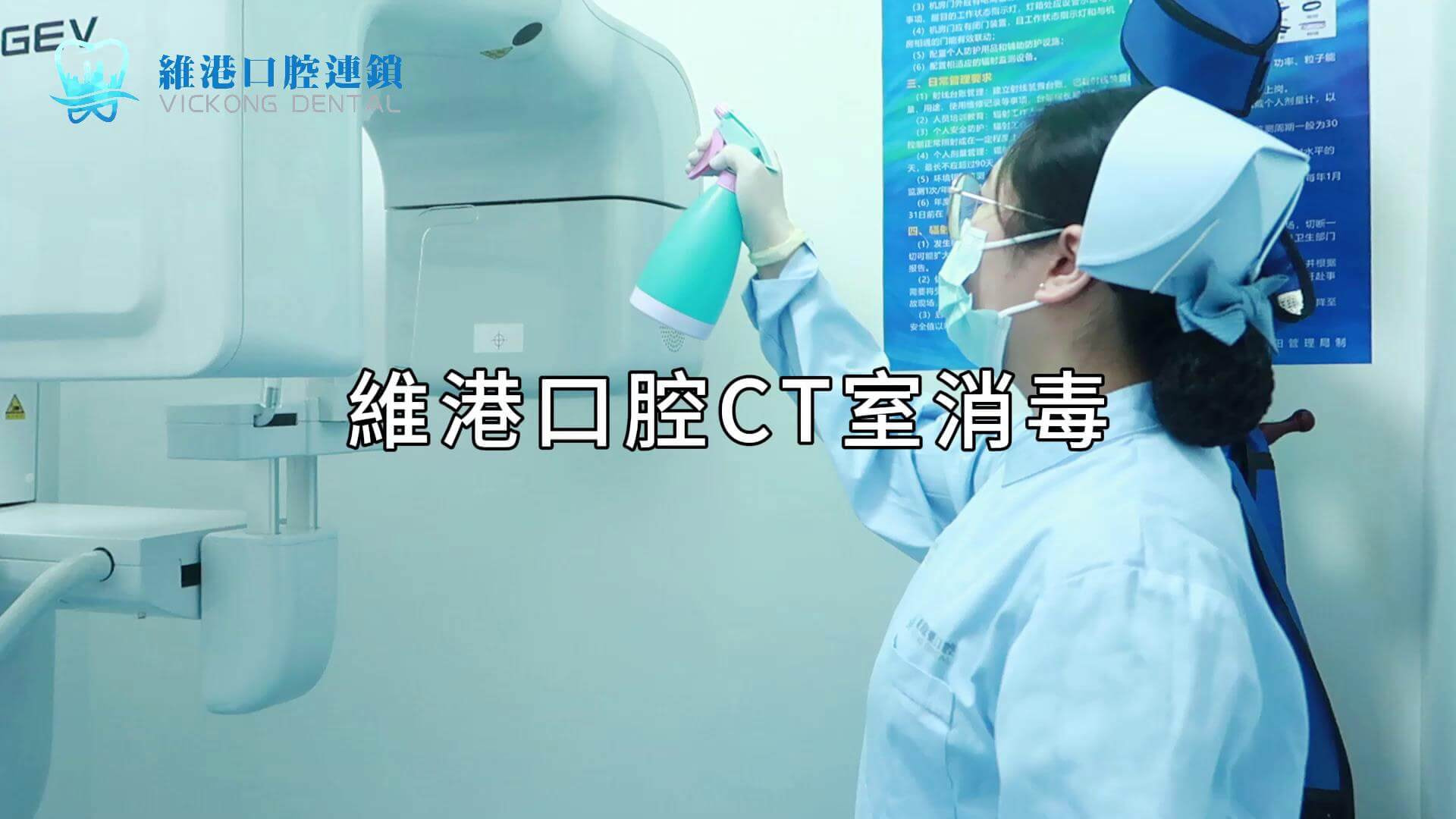
Moreover, ensure the dental practice maintains a comfortable and hygienic environment. A clean and professional setting can greatly influence the overall experience, helping to ease any anxiety associated with dental procedures.
3. Understanding the Costs Involved
Cost is an essential factor to consider before undergoing any dental treatment, including root canal therapy. Prices can vary significantly based on several factors: the complexity of the case, the location, and the dentists expertise. Typically, root canals tend to be more cost-effective than tooth extraction and subsequent replacement methods like bridges or implants.
Many dental insurance plans cover a portion of root canal costs, but its vital to check with your provider ahead of time to understand your coverage. Speak openly with your dentist’s office about payment options and financing plans. They can often accommodate budgets with flexible payment plans or provide options for low-interest financing to ease the financial burden.
Considering the potential long-term costs also plays a part. By investing in preserving your natural tooth, you may avoid more significant expenses down the line. It is essential to view the root canal as not just an immediate cost but a crucial investment in your future dental health.
4. Preparing for Post-Treatment Care
Preparation for post-treatment care is essential for a successful recovery after a root canal. Patients may experience some swelling or discomfort following the procedure, so having a plan in place for aftercare can help. Over-the-counter pain medications are commonly recommended, and most dentists will provide specific instructions on what to do.
Staying hydrated and maintaining a soft-food diet in the initial days can aid in comfort and healing. Its also advisable to avoid chewing on the treated tooth until your dentist confirms that its okay to do so, preventing any accidental damage.
Lastly, maintaining proper oral hygiene is extremely important. Continue brushing and flossing gently around the area of the root canal. Regular dental check-ups after treatment will help ensure that the tooth is healing properly, guiding any further necessary treatments if issues arise.
Summary:
In conclusion, accruing knowledge regarding root canal procedures is crucial for any patient considering the treatment. By understanding the procedure, choosing the right dental professional, being aware of potential costs, and preparing for post-treatment care, patients can navigate their journey with confidence.
This article is compiled by Vickong Dental and the content is for reference only.