Summary: Root canal treatment is a critical dental procedure that aims to save a tooth affected by decay or infection. To ensure the success of this procedure and minimize associated risks, various precautions must be observed. Key areas of focus include thorough diagnosis and planning, the use of advanced technologies, proper infection control measures, and effective post-treatment care. Each of these aspects contributes to achieving optimal outcomes and enhancing patient safety during dental procedures. This article explores these essential precautions in detail, providing valuable insights for both dental professionals and patients.
1. Thorough Diagnosis and Treatment Planning
One of the primary steps to ensure successful root canal treatment is a comprehensive diagnosis. Dentists should conduct extensive examinations, including taking X-rays, to assess the condition of the affected tooth and surrounding tissue. A clear understanding of the tooths anatomy and any underlying issues is vital for effective treatment.
Following the diagnosis, it is crucial to develop a personalized treatment plan. A well-structured plan outlines the specific procedural steps, anticipated challenges, and strategies for addressing potential complications. This foresight enhances preparedness and allows for smoother execution during the procedure.
Additionally, discussing the treatment options and expected outcomes with the patient is essential. Clear communication fosters trust and ensures that patients are informed about the procedure, helping to alleviate any anxiety they may feel.
2. Utilizing Advanced Technologies
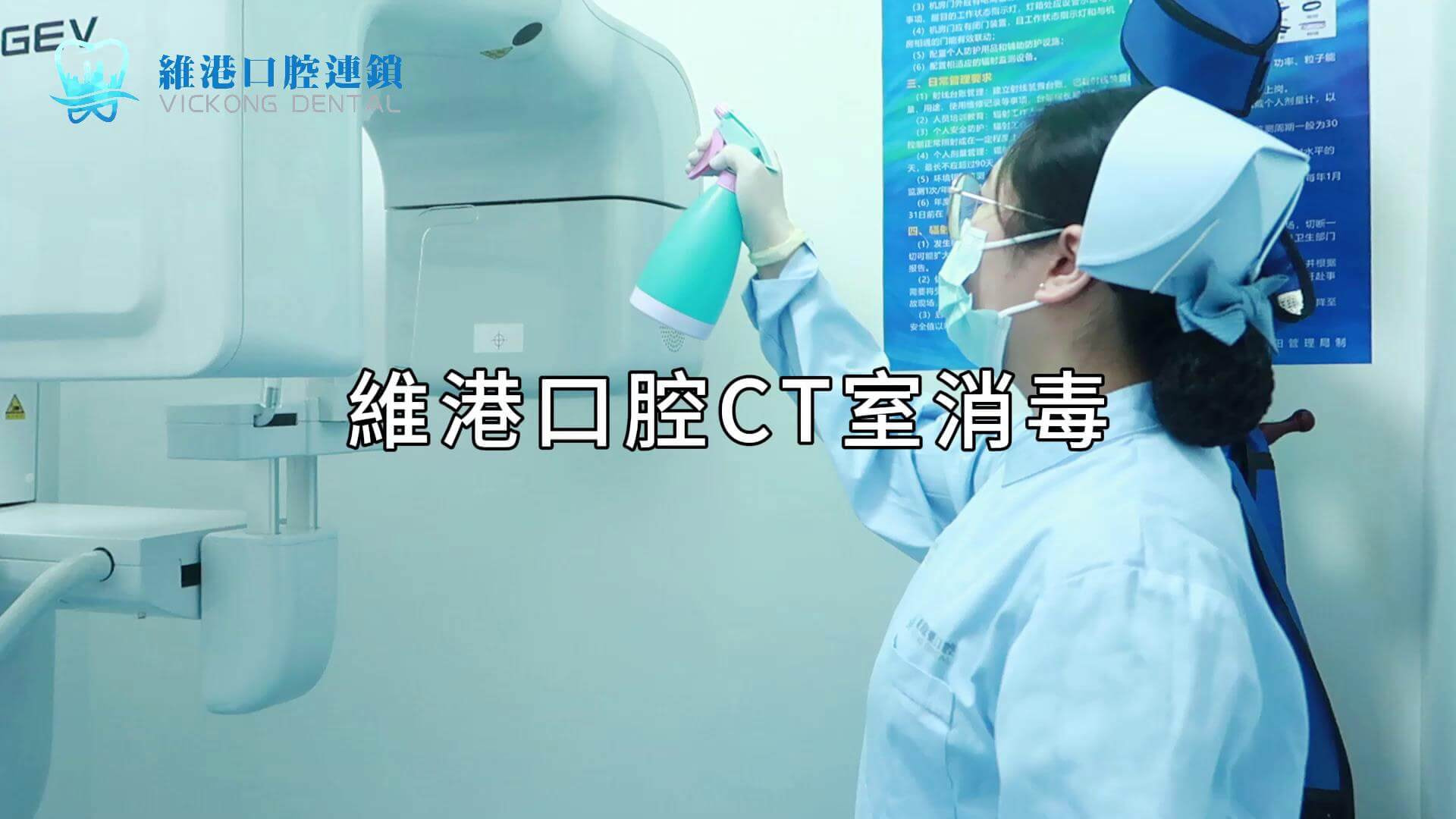
The integration of modern technologies can significantly enhance the success rate of root canal treatments. Dental professionals should utilize digital imaging techniques, such as Cone Beam Computed Tomography (CBCT), to obtain high-resolution, three-dimensional images of the dental anatomy.
Moreover, employing advanced tools like rotary endodontic instruments can improve the efficiency and precision of the cleaning and shaping process. These tools help in navigating complex root canal systems, reducing the risk of procedural mishaps that may lead to treatment failures.
Lastly, utilizing biocompatible materials for filling and sealing the root canals is essential. These materials not only promote healing but also help to restore the tooths functionality, ensuring long-term success of the treatment.
3. Proper Infection Control Measures
Infection control is paramount in any dental procedure, particularly in root canal treatments. Dentists must follow stringent sterilization protocols for their instruments and use disposable materials when possible. This practice minimizes the risk of cross-contamination and helps safeguard patient health.
Additionally, the use of rubber dams is crucial during the procedure. Rubber dams isolate the tooth being treated, preventing saliva and bacteria from contaminating the treatment area. This not only enhances the success of the procedure but also protects the patients overall oral health.
Finally, appropriate antibiotic prophylaxis may be warranted for certain patients, especially those with compromised immune systems. Dentists should evaluate each patient’s medical history to determine if antibiotic intervention is necessary prior to the root canal procedure.
4. Effective Post-Treatment Care
Post-treatment care plays a significant role in ensuring successful root canal outcomes. After the procedure, patients should receive clear instructions regarding oral hygiene practices and dietary restrictions. By following these guidelines, patients can minimize the risk of complications and promote healing.
Regular follow-up appointments are vital for monitoring the recovery process. Dentists should schedule these visits to assess the healing of the treated tooth and address any ongoing concerns the patient might have.
Lastly, educating patients about the importance of maintaining good oral hygiene and attending routine dental check-ups can significantly contribute to the long-term success of their root canal treatment. This proactive approach not only helps in preserving the treated tooth but also improves overall dental health.
Summary: In conclusion, successful root canal treatments and minimized risks during dental procedures rely on several essential precautions. These include thorough diagnosis and treatment planning, the utilization of advanced technologies, strict infection control measures, and effective post-treatment care. When dental professionals and patients work together and adhere to these guidelines, the likelihood of achieving optimal outcomes strengthens considerably.
By emphasizing the importance of these precautions, we can enhance the safety and effectiveness of root canal treatments, ultimately leading to improved patient satisfaction and health outcomes.
This article is compiled by Vickong Dental and the content is for reference only.