Summary: Root canal treatment is a vital dental procedure aimed at preserving the tooth while alleviating pain caused by infection or damage. To ensure the safety and success of this treatment, certain precautions must be followed meticulously. This article outlines essential precautions across four key areas: pre-treatment assessments, proper anesthetic protocols, infection control measures, and post-treatment care. By adhering to these guidelines, both dental professionals and patients can optimize the effectiveness of root canal procedures, leading to improved dental health and a smoother recovery process.
1. Importance of Thorough Pre-Treatment Assessments

Before undergoing a root canal treatment, a comprehensive evaluation of the patients dental and medical history is essential. Dentists must gather detailed information regarding past dental surgeries, existing health conditions, and any medications the patient may be taking. This valuable data allows the dentist to tailor the treatment plan effectively.
Radiographic examinations are a crucial part of pre-treatment assessments. X-rays help in diagnosing the extent of infection, determining the anatomy of the tooth, and identifying any potential complications. A clear understanding of these factors aids in devising a strategic approach to the treatment, promoting a more successful outcome.
Moreover, a discussion with the patient about their expectations and concerns can significantly reduce anxiety. Addressing fears and clarifying the procedure can enhance cooperation and compliance, ultimately leading to better results.
2. Proper Anesthetic Protocols for Comfort
Administering the correct anesthetic is fundamental in ensuring a comfortable experience during root canal treatment. Dentists should assess the patients pain threshold and tailor the dosage of anesthetic accordingly. Administering a local anesthetic effectively numbs the affected area, making the procedure more tolerable.
Additionally, employing modern techniques such as sedation dentistry can be beneficial for anxious patients. Sedatives can help relax patients and enable them to endure the treatment with minimal discomfort. Ensuring that the patient feels secure and supported throughout the procedure is vital.
Furthermore, dentists must monitor the anesthetics effects carefully. Being vigilant about the patients reactions allows for timely adjustments, which enhances patient safety and the overall effectiveness of the treatment. Reliable communication between the dental team and the patient is, therefore, critical.
3. Infection Control Measures for Safety
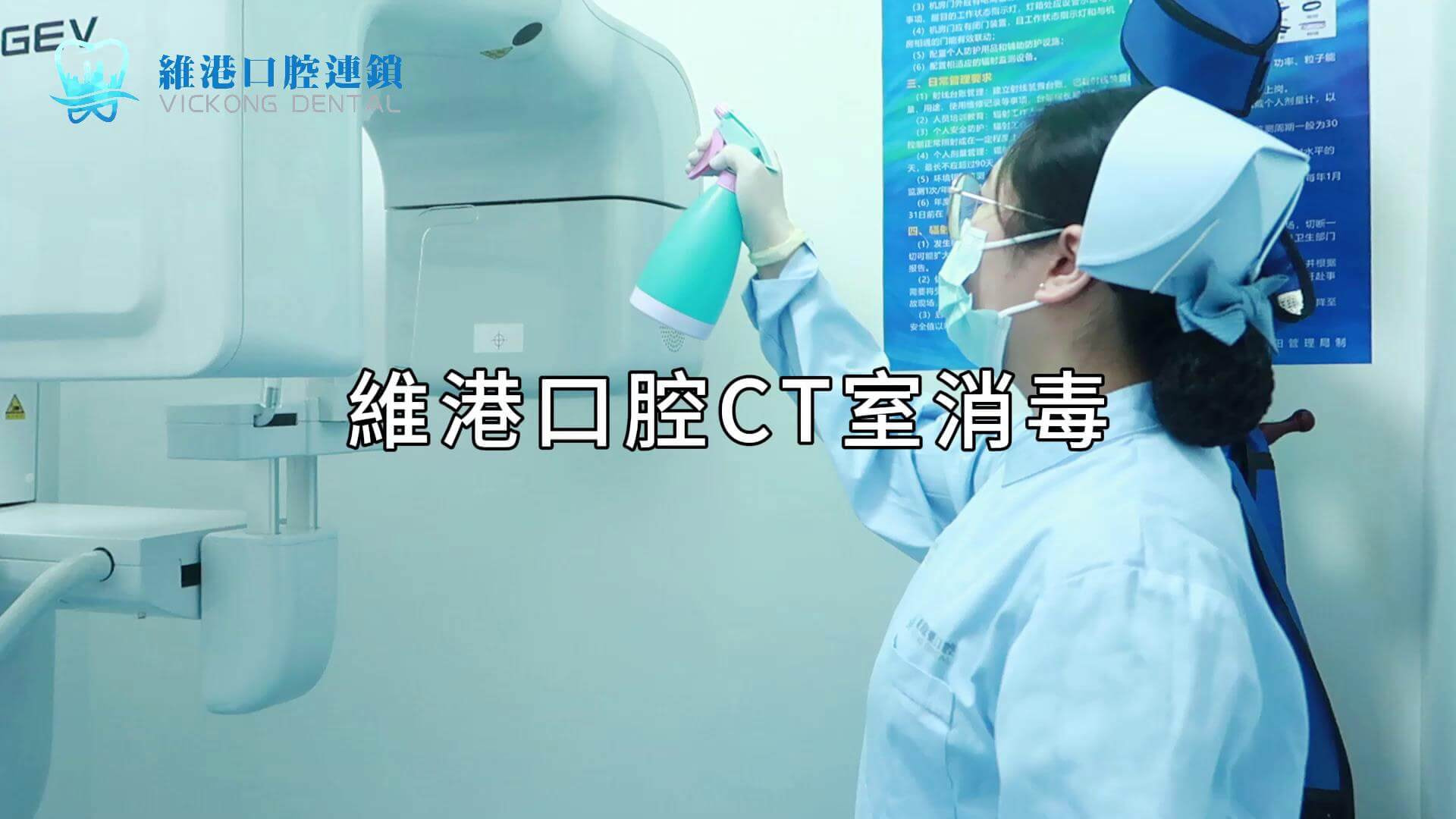
Infection prevention protocols play a crucial role in ensuring a safe root canal treatment. Dentists must adhere to strict hygiene practices, including sterilizing instruments and using disposable materials when possible. This is essential in maintaining a sterile environment, significantly reducing the risk of postoperative infections.
Moreover, the use of rubber dams during the procedure is highly recommended. Rubber dams create a barrier around the treatment area, isolating it from the saliva and other contaminants that could introduce bacteria into the root canal system. This measure aids in maintaining cleanliness during the procedure.
Regular training for dental staff in infection control is equally important. Continuous education on the latest guidelines and practices ensures that the team remains prepared to handle any situation that may arise during the treatment, ultimately prioritizing patient safety.
4. Post-Treatment Care for Optimal Recovery
After a root canal treatment, conveying clear post-operative instructions to the patient is paramount. Patients should be informed about the expected sensations and possible activities to avoid, such as chewing on the treated side until it is fully numbed. This guidance helps prevent unnecessary complications.
Follow-up appointments should also be scheduled to monitor the healing process. Regular check-ups allow dentists to address any concerns promptly and ensure that the tooth is healing correctly. Effective communication during these visits fosters a strong relationship between the patient and the dental team.
Additionally, encouraging patients to maintain good oral hygiene practices post-treatment is essential for long-term success. Brushing, flossing, and considering an antibacterial mouth rinse can help keep residual bacteria at bay, minimizing the chances of reinfection.
Summary:
In conclusion, careful adherence to the precautions outlined in this article will optimize root canal treatment outcomes. From thorough pre-treatment assessments to proper post-treatment care, each step plays a critical role in ensuring patient safety and comfort. Understanding the importance of these practices not only enhances successful recoveries but also promotes better dental health overall.
This article is compiled by Vickong Dental and the content is for reference only.