Summary: Root canal treatment is a crucial procedure within dental practices, aimed at saving damaged teeth and alleviating pain. Ensuring safety and success during these treatments requires meticulous planning and execution. This article outlines essential guidelines grouped into four critical areas: patient assessment, clinical protocols, post-treatment care, and communication strategies. Each area emphasizes the importance of thorough preparation, adherence to best practices, and the need for open dialogue with patients. By following these guidelines, dental practitioners can enhance the efficacy of root canal treatments while minimizing potential risks, ultimately leading to improved patient outcomes and satisfaction.
1. Comprehensive Patient Assessment Techniques

Before initiating a root canal procedure, a detailed patient assessment is fundamental. This includes reviewing the patient’s medical history, dental records, and current symptoms. Understanding any underlying health conditions, allergies, or medications is crucial, as these factors may influence treatment decisions and methods.
Diagnostic imaging, such as X-rays, plays a vital role in evaluating the extent of damage and the anatomical structure of the tooth in question. Adequate imaging allows for precise treatment planning and helps anticipate potential complications. Proper diagnosis is the bedrock of successful root canal treatment.
Asking open-ended questions can also enhance patient assessment. Encouraging patients to share their experiences and concerns can provide deeper insight into their condition and help tailor the treatment plan to their specific needs.
2. Adherence to Clinical Protocols
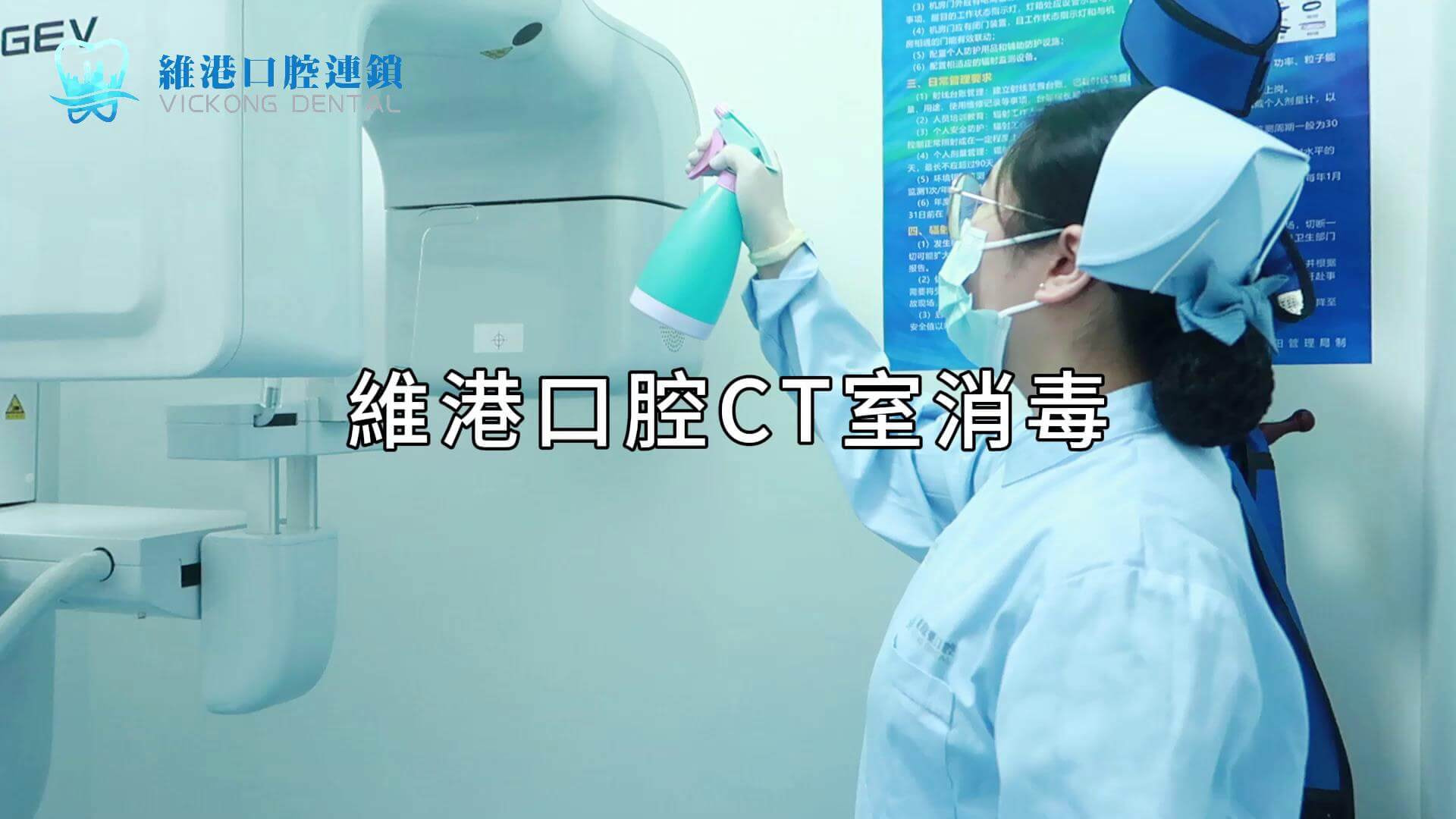
Once the patient is assessed and prepared, following strict clinical protocols is essential for the success of the root canal treatment. Proper aseptic techniques must be maintained to prevent infections. Sterilizing instruments, using barriers, and ensuring a clean work environment are pivotal steps in this process.
Another key aspect of clinical protocols is effective anesthesia administration. Ensuring the patient is comfortable and pain-free during the procedure is essential for both success and patient satisfaction. Choosing the appropriate anesthetic agent, alongside assessing patient responses, contributes significantly to minimizing discomfort.
During the procedure, the dentist must meticulously clean and shape the canal system to remove affected tissue. Using advanced tools and techniques, such as rotary endodontics, can enhance efficiency and effectiveness, ultimately improving treatment outcomes.
3. Importance of Post-Treatment Care
Successful root canal treatment does not end once the procedure is completed. Post-treatment care is equally crucial to ensure proper recovery and long-term success. Providing patients with clear instructions concerning pain management, dietary restrictions, and activity levels after treatment is essential.
Regular follow-up appointments should be scheduled to monitor healing and assess the effectiveness of the procedure. These appointments allow the dentist to identify any potential complications early and address them promptly, which can greatly reduce the incidence of additional procedures or emergencies.
Additionally, educating patients about the importance of maintaining good oral hygiene habits post-treatment can significantly improve the longevity of the treated tooth. Encouraging regular dental check-ups and cleanings is vital to prevent further complications.
4. Effective Communication Strategies with Patients
Communication is a cornerstone of successful dental care, particularly in procedures as intricate as root canal treatment. Establishing a rapport with patients can create a more trusting environment, making them feel comfortable discussing their concerns.
Utilizing straightforward language and avoiding dental jargon when explaining procedures can help demystify the process for patients. Providing educational materials or visual aids can further enhance their understanding, allowing for informed consent and reducing anxiety surrounding the procedure.
Encouraging feedback post-treatment and involving patients in their care planning fosters a collaborative relationship. This not only helps in tailoring future treatments but also enhances overall patient satisfaction and trust in the dental practice.
Summary:
In conclusion, ensuring safety and success during root canal treatment procedures involves a multifaceted approach, beginning with comprehensive patient assessments, adherence to clinical protocols, diligent post-treatment care, and effective communication strategies. Each element plays a pivotal role in leading to successful treatment outcomes and enhancing patient experiences.
This article is compiled by Vickong Dental and the content is for reference only.