Summary: Successfully undergoing a root canal treatment requires following essential precautions to mitigate complications during the procedure. This article elaborates on four critical aspects: meticulous patient assessment, effective pain management, maintaining a sterile environment, and ensuring proper post-treatment care. Each area emphasizes the importance of preparation, communication, and adherence to protocols, which contribute significantly to the overall success of the treatment. With a focus on preventive measures and patient comfort, we aim to highlight practices that can minimize risks and enhance outcomes, ensuring that patients experience a smoother, more effective root canal process.
1. Meticulous Patient Assessment

Before any root canal procedure, it is imperative to conduct a thorough patient assessment. This involves reviewing the patient’s medical history, including any existing health conditions that could affect the treatment. Conditions like diabetes or heart disease might require special considerations during the procedure.
Another key aspect of patient assessment is performing a detailed clinical evaluation. This includes radiographs to accurately diagnose the condition of the tooth and the surrounding structures. Understanding the complexity of the root canal system is vital for planning the treatment effectively.
Additionally, effective communication with the patient about their symptoms and expectations can significantly impact treatment planning. Ensuring patients are well-informed helps to build trust and reduces anxiety, contributing to a more successful outcome.
2. Effective Pain Management
Effective pain management is another crucial precaution to ensure a successful root canal treatment. Dentists must assess the appropriate type and dosage of anesthesia before starting the procedure. The choice between local anesthesia or sedation can depend on the patient’s anxiety levels and the complexity of the operation.
Moreover, it is important to continually monitor the patient’s comfort throughout the procedure. Regularly checking for any signs of pain can help in timely adjustments to anesthesia, ensuring the patient remains as comfortable as possible during the treatment.
Post-treatment pain management is also essential. Providing patients with clear instructions regarding aftercare and recommending appropriate analgesics can help to alleviate discomfort once the anesthesia wears off. This proactive approach can lead to a smoother recovery and enhance patient satisfaction.
3. Maintaining a Sterile Environment
Maintaining a sterile environment is vital in preventing complications during a root canal treatment. Infection can lead to a multitude of issues, including treatment failure, pain, and extended recovery times. Dental professionals must utilize appropriate sterilization techniques for all instruments and equipment used during the procedure.
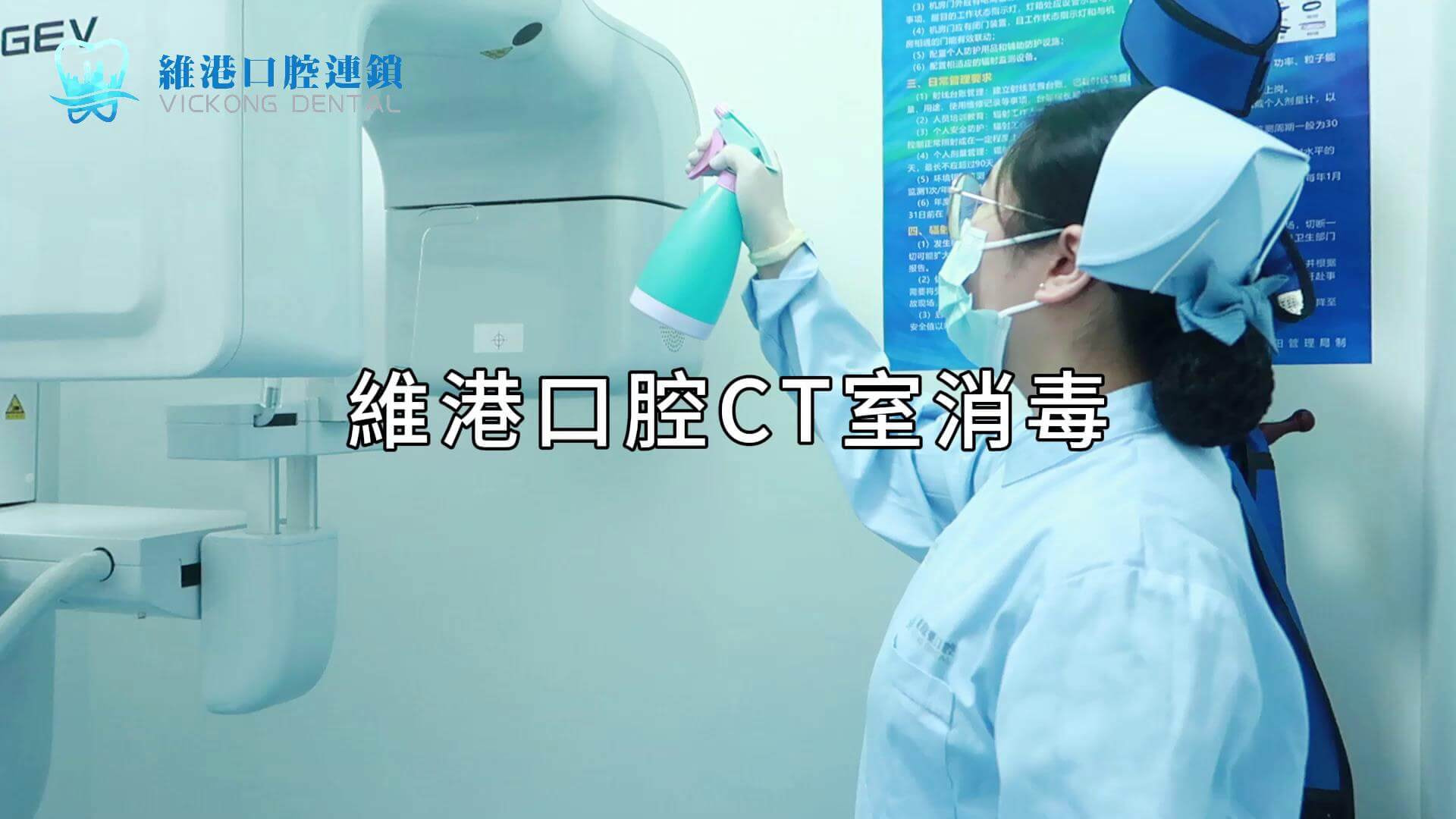
Additionally, the operatory should be meticulously cleaned before and after the treatment. Ensuring that all surfaces are disinfected minimizes the risk of cross-contamination and protects both the patient and the dental team.
Using barriers such as gloves, masks, and gowns is also crucial in maintaining a sterile field. Following standard precautions includes hand hygiene before and after patient interactions, which significantly reduces the risk of transmitting infections.
4. Ensuring Proper Post-Treatment Care
Post-treatment care is as important as the procedure itself. Providing patients with detailed aftercare instructions that outline pain management, dietary restrictions, and signs of potential complications is essential for a successful recovery.
Furthermore, scheduling follow-up appointments allows dental professionals to monitor the healing process and address any arising issues promptly. This follow-up is particularly crucial if there were any complications during the initial procedure.
Encouraging patients to report any unusual symptoms, such as increased pain or swelling, ensures that complications are addressed early. This proactive approach not only fosters better healing but also strengthens the dentist-patient relationship through open communication and support.
Summary:
Successful root canal treatment relies heavily on meticulous precautions in four main areas: patient assessment, pain management, maintaining sterility, and post-treatment care. Each aspect plays a significant role in minimizing complications and ensuring patient comfort, ultimately leading to better treatment outcomes.
As a reminder, these precautions are crucial in providing a seamless experience for both patients and dental professionals alike. Thorough preparation and adherence to best practices are vital in achieving success in root canal procedures.
This article is compiled by Vickong Dental and the content is for reference only.