Summary: Root canal treatment (RCT) procedures are essential dental interventions designed to save infected or damaged teeth. Ensuring the safety and effectiveness of RCT is critical for optimal patient outcomes. This article outlines essential guidelines that encompass proper diagnosis, treatment planning, infection control measures, and post-treatment care. By adhering to these guidelines, dental professionals can minimize risks, enhance procedural success, and foster patient comfort throughout the treatment process.
1. Accurate Diagnosis for Successful Treatment

Accurate diagnosis is the cornerstone of successful root canal treatment. Dentists must conduct thorough clinical examinations, including taking detailed patient histories and performing diagnostic tests such as percussion and palpation. These assessments help ascertain the extent of the tooths infection and the associated pain levels, leading to informed decision-making.
Radiographic imaging plays a crucial role in diagnosis. X-rays should be used to evaluate the tooth’s roots and surrounding bone structure, allowing practitioners to identify abnormalities that may influence treatment. Cone Beam Computed Tomography (CBCT) is another advanced imaging technique that provides three-dimensional insights, offering a comprehensive view of complex anatomical structures.
Finally, collaboration with other healthcare professionals for further assessments is essential. Referrals to endodontists or specialists may be necessary for complicated cases, ensuring that patients receive the best care tailored to their specific conditions.
2. Comprehensive Treatment Planning
Once a correct diagnosis is established, developing a comprehensive treatment plan is crucial. Patient factors such as general health status, preferences, and the severity of the tooths condition must be considered. This individualized approach ensures that all bases are covered for effective treatment.
The treatment plan should outline each step of the root canal procedure, including anticipated techniques, materials, and timelines. Dental professionals should discuss this plan with patients, educating them about the procedures, potential risks, and expected outcomes, which fosters trust and cooperation.
Moreover, outlining a clear follow-up strategy is vital. This plan should specify post-treatment monitoring, follow-up appointments, and further interventions if necessary. Establishing these guidelines not only streamlines the process but also reinforces the importance of ongoing patient care.
3. Strict Infection Control Measures
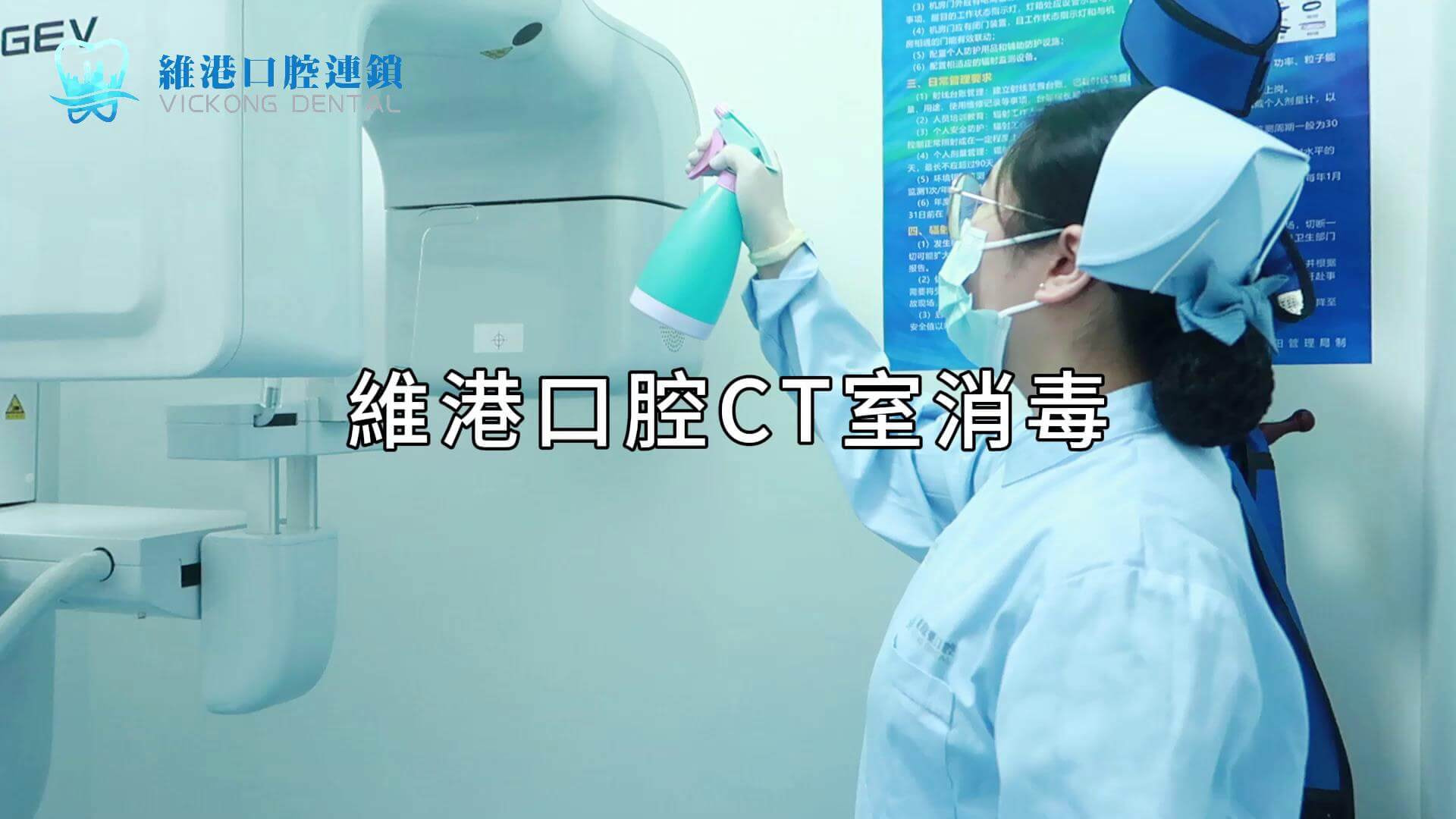
Infection control is imperative during root canal treatments to minimize the risk of complications. Dentists must adopt stringent sterilization protocols for instruments, ensuring they are free from pathogens. Utilizing single-use, disposable items wherever possible can further enhance safety.
Additionally, maintaining a sterile environment within the treatment area is essential. This includes wearing protective gear such as gloves, masks, and eyewear for both the dental team and patient. Proper barrier techniques prevent contamination and protect against potential infection.
Dentists should also utilize an effective irrigation solution to disinfect the root canal system. Commonly employed agents include sodium hypochlorite and chlorhexidine, which can eliminate bacteria and biofilm from the canal space, enhancing treatment success rates. Regular review of these practices helps ensure adherence to evolving infection control standards.
4. Patient-Centric Post-Treatment Care
The post-treatment phase is crucial for patient recovery and long-term success. After the root canal procedure, dental professionals should provide patients with specific guidelines on pain management, medications, and signs of complications to watch for. Clear communication aids compliance and alleviates patient concerns.
Follow-up appointments should be scheduled to monitor healing and check for any signs of reinfection or complications. The dentist’s ability to adapt treatment plans based on follow-up findings is vital in enhancing patient satisfaction and outcomes.
Furthermore, educating patients about the importance of oral hygiene post-treatment can lead to better long-term outcomes. Encouraging regular dental check-ups and preventive measures will help patients maintain their dental health and prevent future complications, reinforcing the effectiveness of the initial root canal treatment.
Summary:
In conclusion, root canal treatment necessitates careful consideration across multiple aspects—accurate diagnosis, comprehensive treatment planning, strict infection control, and patient-centric post-treatment care. Adhering to these essential guidelines ensures the safety and effectiveness of the procedure, ultimately resulting in improved patient satisfaction and dental health outcomes.
This article is compiled by Vickong Dental and the content is for reference only.