Summary: Root canal treatment is a vital dental procedure aimed at saving damaged or infected teeth. To ensure successful outcomes and promote optimal tooth health, it is crucial to adhere to specific guidelines and precautions. This article outlines essential practices such as proper diagnosis, effective asepsis, advanced techniques, and post-treatment care. Each aspect plays a significant role in not only making the treatment successful but also in preserving the overall health of the tooth. With a focus on these four critical areas, the article serves to inform both dental practitioners and patients about the best practices to foster a positive dental experience.
1. Accurate Diagnosis Before Treatment
Accurate diagnosis is the foundation of successful root canal treatment. Dentists must conduct thorough examinations, including X-rays and clinical assessments, to determine the extent of damage to the tooth. Identifying signs of infection, inflammation, or decay is crucial for deciding whether a root canal is necessary. By ensuring an accurate diagnosis, practitioners can tailor their approach to meet the specific needs of each patient.
Moreover, understanding the anatomy of the tooth is vital for effective treatment. Dentists should be familiar with variations in root canal systems, including possible extra canals. This knowledge helps in developing a more comprehensive treatment plan that anticipates potential complications, thereby increasing the likelihood of success.
Another important aspect of diagnosis is the use of modern technology. Cone-beam computed tomography (CBCT) allows for precise imaging of the tooth and surrounding structures. This advanced method provides invaluable information that can assist practitioners in planning the procedure and minimizing risks.
2. Ensuring Effective Aseptic Techniques
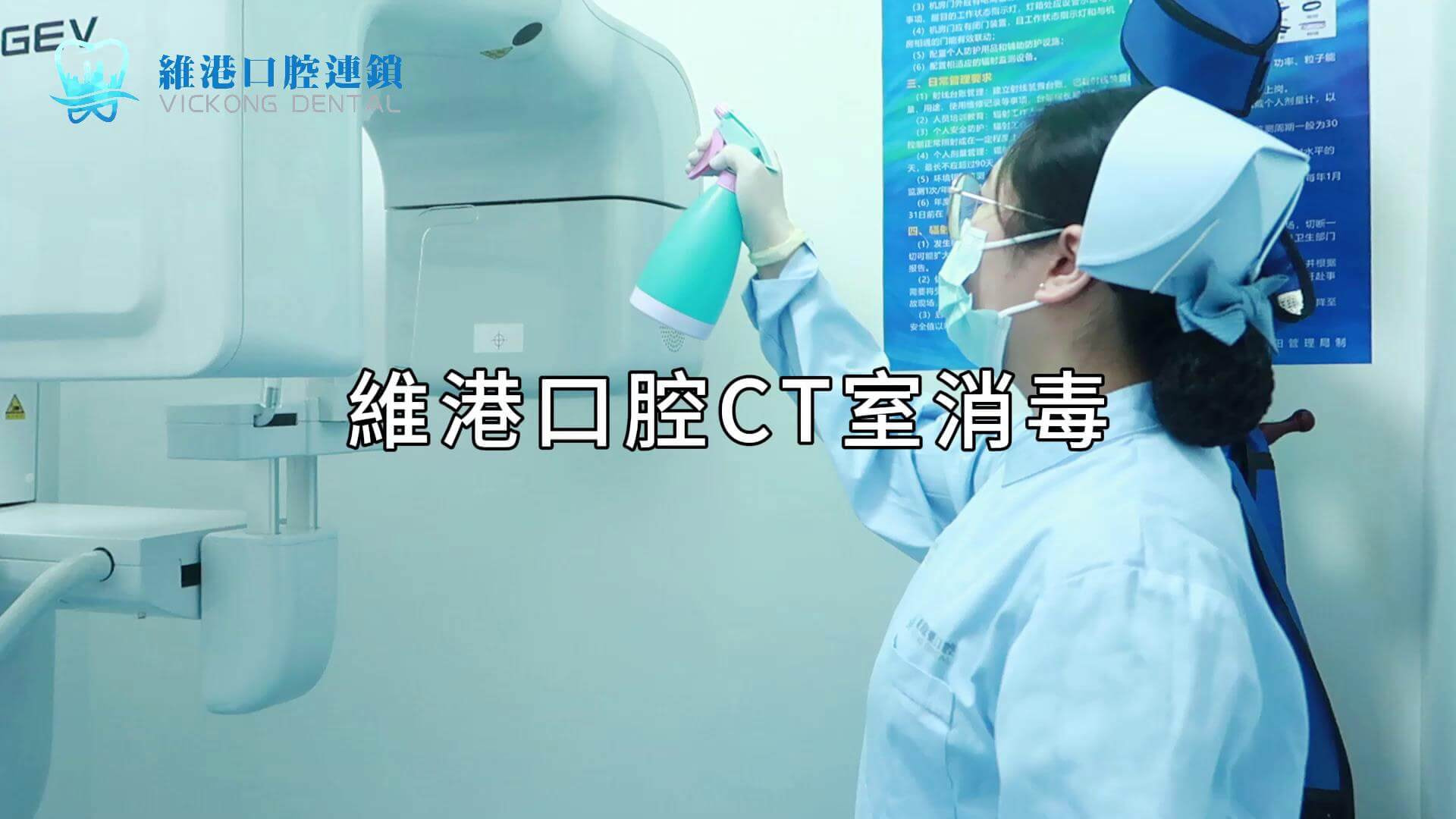
Asepsis is critical in root canal treatments to prevent contamination and infection. Practitioners must maintain a sterile environment throughout the procedure, using appropriate barriers and sterilization methods. This reduces the risk of introducing bacteria into the root system and helps to preserve the health of adjacent teeth.
In addition to maintaining a sterile technique, dentists should also utilize single-use instruments whenever possible. This practice further minimizes infection risks. Diligent hand hygiene and cleanliness should always be prioritized to uphold optimal practice standards.
During the procedure, the use of rubber dams is highly recommended. They create a barrier between the treated tooth and the oral cavity, thus limiting the possibility of contamination. By effectively controlling moisture and bacteria, rubber dams facilitate a cleaner and more efficient treatment process.
3. Utilizing Advanced Techniques and Technology
Employing advanced techniques significantly enhances the chances of a successful root canal. For instance, rotary endodontics utilizes specialized instruments that improve cleaning and shaping of the root canal system. These tools save time and ensure precise removal of infected tissue, leading to better outcomes.
Additionally, the use of irrigation solutions, such as sodium hypochlorite, plays a crucial role in disinfecting root canals. Proper irrigation helps remove debris and bacteria that manual cleaning might miss. This is a fundamental step in achieving sterile conditions and promoting optimal healing.
Embracing new technologies like electronic apex locators can also enhance accuracy in locating the root canals length. These devices can assist in determining where to stop cleaning and filling, minimizing the risk of damage to surrounding tissue and improving the overall success of the treatment.
4. Importance of Post-Treatment Care
Post-treatment care is essential for promoting healing and preventing recurrence of infection. Patients must be advised on proper oral hygiene practices, including regular brushing, flossing, and routine dental check-ups. These practices contribute to the longevity of the treated tooth and overall oral health.
Moreover, it is important to schedule follow-up visits after the treatment. These visits provide an opportunity for dentists to assess the success of the procedure and check for any signs of complications. Timely intervention can avert more severe issues down the line.
Finally, educating patients on the signs of potential complications, such as persistent pain or swelling, empowers them to seek help promptly. Awareness and early intervention play crucial roles in ensuring long-term success after a root canal procedure.
Summary:
In conclusion, successful root canal treatment hinges on accurate diagnosis, effective aseptic techniques, advanced methods, and diligent post-treatment care. By following these essential guidelines, dental practitioners can greatly improve patient outcomes and promote optimal tooth health.
This article is compiled by Vickong Dental and the content is for reference only.