Summary: Root canal treatment (RCT) is an essential procedure for saving damaged teeth and ensuring optimal dental health. This article outlines crucial guidelines to ensure that RCT is performed safely and effectively, maximizing both dental health and patient comfort. We delve into the importance of proper diagnosis and treatment planning, the use of advanced technology, effective anesthesia techniques, and post-treatment care. Each of these aspects plays a vital role in the overall success of the procedure, ultimately contributing to a positive patient experience and long-term dental outcomes.
1. Importance of Accurate Diagnosis and Planning

A successful root canal treatment starts with an accurate diagnosis. Dentists must carefully examine the patient’s dental history and conduct a thorough clinical examination. Diagnostic imaging, such as X-rays, helps identify the extent of decay or infection, allowing for a clear understanding of the issue at hand.
Once the diagnosis is established, detailed treatment planning becomes crucial. This involves determining the appropriate techniques and materials needed for the treatment. Effective planning can foresee potential complications, such as the presence of complex root canal systems, and address them proactively to enhance treatment success.
Additionally, proper communication with the patient about the diagnosis and the expected outcomes is vital. Educating patients on what to expect during and after the procedure can ease anxiety and foster a more collaborative relationship, ultimately leading to better patient satisfaction.
2. Utilization of Advanced Technology in RCT
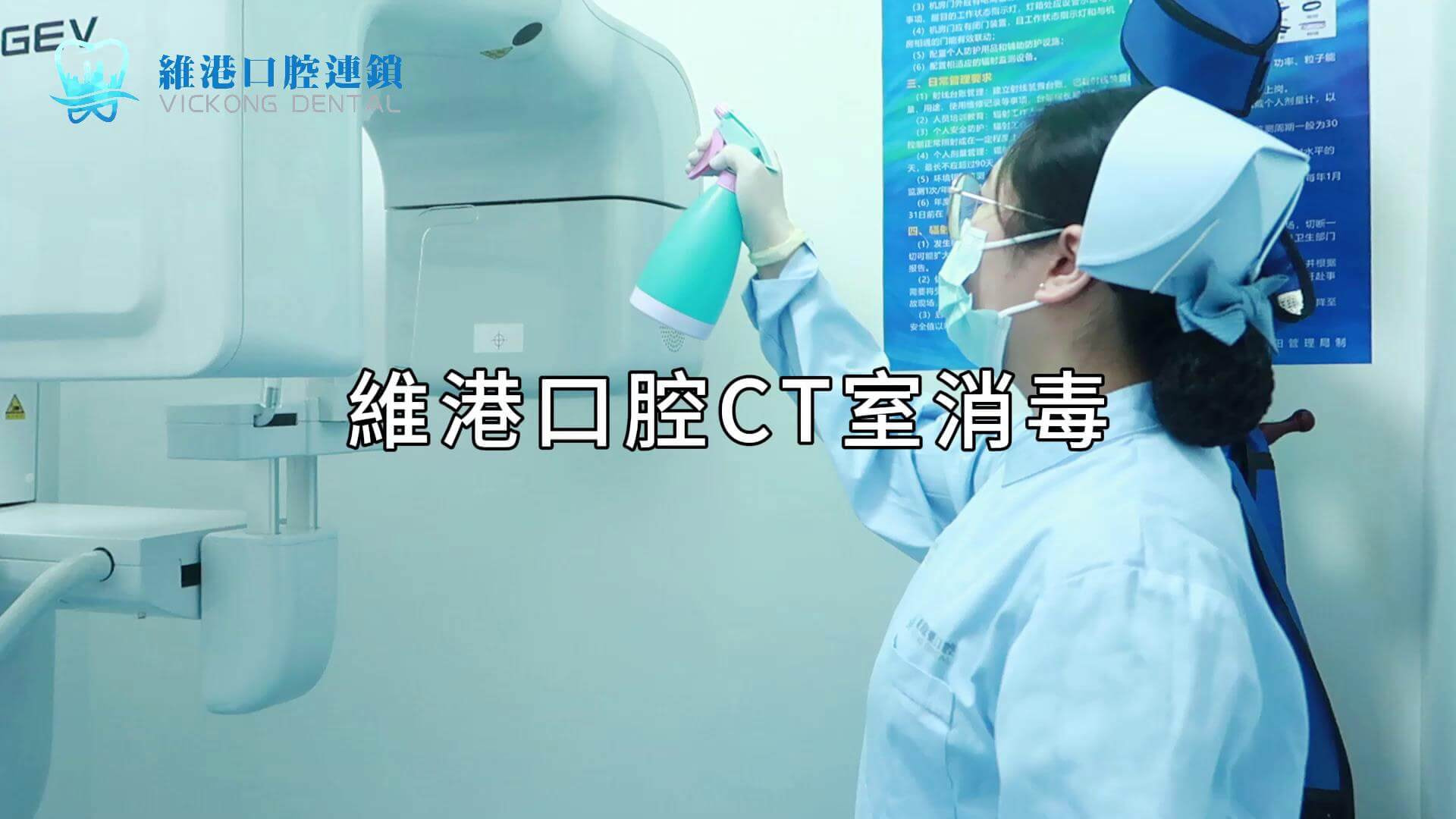
The integration of advanced tools and techniques in root canal treatment significantly enhances the safety and effectiveness of the procedure. Technologies such as Cone Beam Computed Tomography (CBCT) provide detailed 3D imaging, enabling dentists to visualize the tooths anatomy in greater depth.
Moreover, the use of operating microscopes allows for better precision during treatment. With the ability to magnify the working field, dentists can more effectively navigate complex root structures and remove infected tissue thoroughly.
Another important technological advancement is the use of rotary endodontic instruments, which improve the efficiency of cleaning and shaping the root canal. These instruments are designed to facilitate smooth and precise maneuvers within the canal, reducing the risk of complications and ensuring a more predictable outcome.
3. Effective Anesthesia Techniques for Comfort
Achieving patient comfort during root canal treatment is paramount, and effective anesthesia is essential for this purpose. Dentists must select the right type of anesthesia tailored to the individual patients needs, ensuring that the procedure is as pain-free as possible.
Local anesthesia is typically administered via injections near the treatment area, but alternative methods such as nitrous oxide or sedation may be used for patients with heightened anxiety. A thorough assessment of the patients medical history allows for a customized approach that maximizes comfort while minimizing any potential risks.
Additionally, clear communication with the patient about what to expect from anesthesia can alleviate anxiety. Informing patients about the sensations they may feel and providing reassurance throughout the procedure can enhance their overall experience, promoting a sense of trust in the dental professional.
4. Comprehensive Post-Treatment Care Guidelines
Post-treatment care is crucial for ensuring optimal healing after root canal therapy. Dentists should provide patients with clear instructions regarding pain management and any necessary follow-up appointments. Effective pain relief strategies, such as over-the-counter medications or prescribed painkillers, should be discussed to minimize discomfort during the recovery phase.
It’s also important for patients to be informed about indications of complications, such as prolonged pain or swelling, which would warrant further evaluation. Encouraging regular check-ups with the dentist can ensure any potential issues are addressed promptly, contributing to long-term dental health.
Lastly, educating patients on maintaining good oral hygiene practices post-treatment, such as regular brushing and flossing, will support the healing process and decrease the likelihood of future dental issues. By prioritizing post-care, dentists can significantly enhance overall treatment outcomes.
Summary:
In conclusion, following essential guidelines during root canal treatment ensures both safety and effectiveness, ultimately promoting optimal dental health and patient comfort. From accurate diagnosis and treatment planning to advanced technology, effective anesthesia, and comprehensive post-care, each aspect plays a significant role in providing a positive patient experience.
This article is compiled by Vickong Dental and the content is for reference only.