Summary: Root canal treatment is a complex procedure that requires meticulous planning and execution to ensure success. This article explores essential precautions that both dental professionals and patients must consider to minimize risks associated with the treatment. Four main aspects are discussed in detail: pre-treatment assessment, sterilization protocols, post-treatment care, and patient education. Each aspect aims to create a more favorable environment for the treatment process, fostering better outcomes and enhancing both patient safety and clinician efficiency.
1. Importance of Pre-Treatment Assessment

A thorough pre-treatment assessment is crucial for the success of root canal therapy. This process begins with a comprehensive dental examination, during which the dentist evaluates the extent of damage or infection in the tooth. Advanced imaging techniques, such as X-rays or CT scans, may be utilized to obtain a detailed understanding of the tooth structure and surrounding tissues.
Additionally, its vital to gather the patients medical history, including allergies, previous dental procedures, and any underlying health conditions. This information helps the dental professional tailor the treatment plan, enhancing the likelihood of a successful outcome.
Moreover, proper diagnosis plays a significant role in treatment planning. Misdiagnosis or overlooking critical details can lead to complications. Hence, clarifying the underlying cause of pain or infection ensures that the correct treatment approach is employed from the outset.
2. Adherence to Sterilization Protocols
Sterilization protocols are of paramount importance in root canal treatments. Dental practitioners must strictly adhere to guidelines to prevent cross-contamination and infection during the procedure. This begins with the use of sterile instruments and equipment to ensure that all tools are free from pathogens before use.
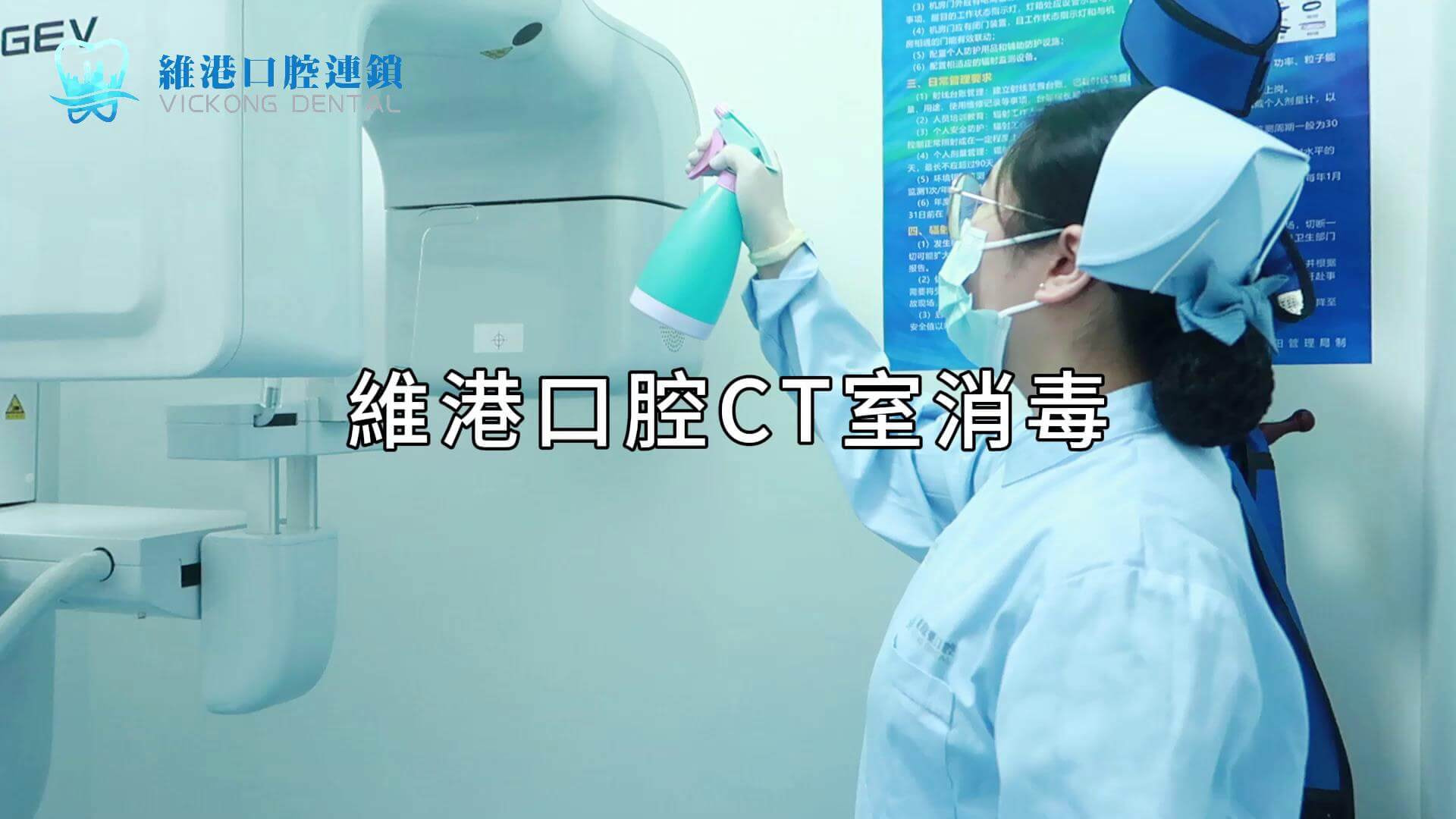
Furthermore, the working environment should also be meticulously sanitized. This includes the treatment area, dental chair, and all surfaces that may have come into contact with patients or instruments. Employing barriers, such as disposable covers, helps in maintaining a clean environment.
Additionally, dentists must utilize appropriate personal protective equipment (PPE), including gloves, masks, and eye protection, to safeguard both themselves and their patients during the procedure. These precautions significantly reduce the risk of transmission of infectious diseases in the clinical setting.
3. Effective Post-Treatment Care Strategies
Following a root canal treatment, effective post-treatment care is necessary for ensuring healing and minimizing complications. Patients should receive thorough instructions on how to care for their teeth in the days following the procedure. This may include recommendations regarding dietary restrictions and the use of pain management medications.
Moreover, follow-up appointments are vital to monitor the healing process and assess whether the treatment has been successful. These check-ins are an opportunity to address any concerns the patient may have and to ensure that the tooth is healing as expected.
Patients should also be informed about signs of potential complications, such as persistent pain or swelling, which could indicate infection or incomplete treatment. Encouraging open communication between patients and dental professionals enhances treatment satisfaction and effectiveness.
4. Emphasis on Patient Education and Communication
Effective communication is an essential component of successful root canal treatment. Educating patients about the procedure, including its necessity and what to expect, can alleviate anxiety and foster cooperation. Providing a clear understanding of the benefits and risks involved aids in helping patients make informed decisions.
Moreover, discussing the importance of oral hygiene and ongoing dental care post-treatment contributes to the long-term success of the procedure. Patients should be made aware of how their daily habits can influence healing and the health of their teeth.
Finally, encouraging patients to ask questions and express concerns promotes a trusting relationship between them and their dental providers. Strong communication not only improves patient experiences but also enhances overall treatment outcomes.
Summary:
In conclusion, several essential precautions must be adhered to for a successful root canal treatment. Pre-treatment assessment, strict adherence to sterilization protocols, effective post-treatment care, and emphasizing patient education are crucial steps to mitigate risks. By focusing on these areas, dental professionals can enhance treatment outcomes while ensuring patient safety throughout the process.
This article is compiled by Vickong Dental and the content is for reference only.