Summary: Root canal treatment is a critical dental procedure designed to alleviate pain and restore the function of infected or damaged teeth. However, ensuring its success and minimizing postoperative complications require adherence to specific precautions. This article explores essential precautions divided into four key areas: thorough diagnosis and treatment planning, sterile technique and instrumentation, patient management during and after the procedure, and effective follow-up care. Each section delves into practical steps that dental professionals can take to enhance the outcomes of root canal treatments and provide patients with a smoother recovery experience. Understanding these precautions is vital for both practitioners and patients aiming for optimal dental health.
1. Thorough Diagnosis and Treatment Planning

The foundation of a successful root canal treatment lies in a comprehensive diagnosis and meticulous treatment planning. Before any procedure, dental professionals should conduct thorough clinical examinations, including radiographic imaging. X-rays help visualize the tooths structure and any underlying issues that may complicate the treatment.
Additionally, understanding a patients dental history is crucial. The dentist should inquire about previous dental procedures, medication allergies, and current health conditions, as these factors can influence both the treatment and recovery.
Based on this information, establishing a tailored treatment plan is necessary. This plan should include the number of appointments required, the techniques to be used, and any specific instructions for the patient pre-and post-operatively.
2. Sterile Technique and Instrumentation
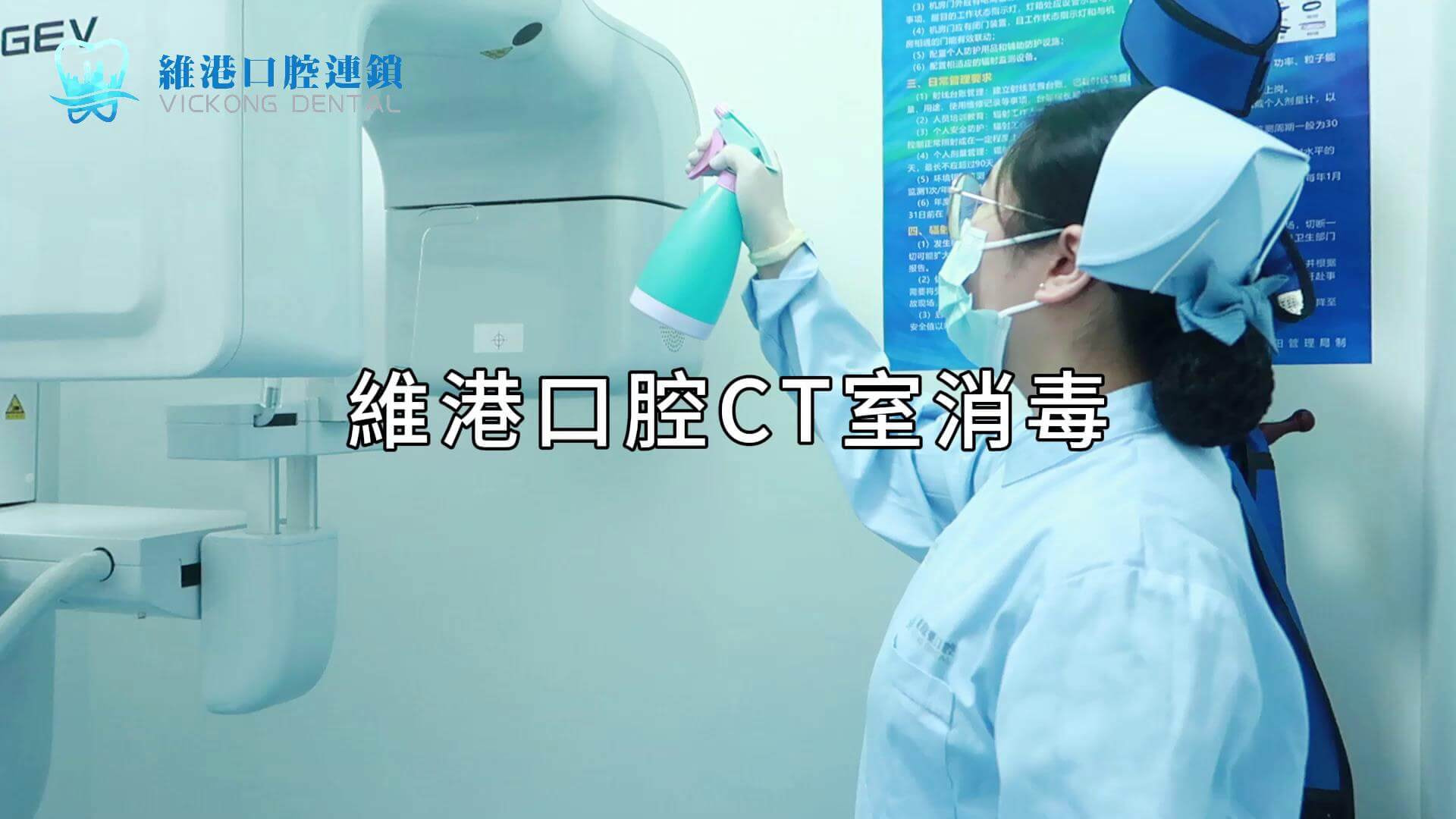
Implementing a sterile technique during root canal treatment is essential in preventing infections and ensuring a successful outcome. Dental practitioners must follow strict infection control protocols. Using sterilized instruments and maintaining a clean operatory environment significantly reduces the risk of postoperative complications.
Moreover, proper use of endodontic instruments is vital. Dentists should ensure that files and other tools are in good condition, as damaged instruments can lead to procedural errors. Furthermore, the selection of appropriate file sizes and techniques based on the tooths anatomy is imperative to avoid complications.
Regularly calibrating and maintaining endodontic equipment, such as apex locators and rotary systems, also helps enhance the precision of the procedure. Ensuring that all equipment is functioning optimally before beginning the treatment is critical to minimize if not eliminate risks associated with instrumentation.
3. Patient Management During and After Procedure
Effective patient management during the root canal procedure plays a significant role in its success. Ensuring patient comfort is paramount, as anxiety can exacerbate pain and discomfort. Dentists should provide sedatives or local anesthesia to create a calming environment and facilitate a smoother treatment experience.
During the procedure, clear communication with the patient is essential. Dentists should explain each step, keeping the patient informed and at ease. This approach fosters trust and can help alleviate potential anxiety related to the treatment.
Post-operatively, providing patients with detailed aftercare instructions is crucial. They should be informed about potential symptoms, such as swelling or pain, and when to seek medical attention. Effective pain management strategies, including the use of appropriate analgesics, can significantly improve the patient’s recovery experience.
4. Effective Follow-Up Care
Follow-up care is an often-overlooked aspect of root canal treatment that can greatly impact recovery and long-term success. Scheduling follow-up appointments allows the dentist to assess the healing process, address any complications, and reinforce patient education regarding oral hygiene practices.
Regular follow-ups also provide an opportunity to take additional radiographs if necessary. This helps in monitoring the tooths healing and ensuring that the infection is fully resolved. If any issues arise, early intervention can prevent further complications.
Moreover, involving the patient in their dental health journey is crucial. Educating them about the importance of regular check-ups and maintaining good oral hygiene habits can contribute significantly to the longevity of the treated tooth.
Summary:
The successful execution of root canal treatment hinges on a series of essential precautions that encompass thorough diagnosis, sterile practices, effective patient management, and diligent follow-up care. By adhering to these practices, dental professionals can greatly enhance the patients experience and minimize potential complications, ultimately leading to a more successful outcome.
This article is compiled by Vickong Dental and the content is for reference only.