Summary: Root canal treatment is an essential procedure aimed at preserving tooth health and alleviating pain caused by infected pulp. To ensure safety and success, understanding the guidelines that govern this process is crucial. This article explores four fundamental aspects: proper diagnosis and treatment planning, ensuring patient comfort and safety, effective procedural techniques, and post-treatment care and follow-up. Each section provides detailed insights into best practices, essential tools, and patient education, designed to help both dental professionals and patients navigate the complexities of root canal treatments effectively.
1. Proper Diagnosis and Treatment Planning

Accurate diagnosis is the cornerstone of any successful root canal treatment. It begins with a thorough examination, including clinical evaluations and appropriate imaging techniques, such as radiographs. These tools help identify the extent of infection and guide the treatment roadmap.
Additionally, dental practitioners need to differentiate between various dental conditions. Confusing root canal symptoms with other dental issues may lead to misdiagnosis, which can adversely affect treatment outcomes. Comprehensive knowledge of dental anatomy and pathology is essential for accurately identifying root canal-related issues.
Once a proper diagnosis is established, an elaborate treatment plan should be formulated. This plan includes selecting the appropriate instruments, materials, and techniques to be employed, ensuring that everything is prepared before the procedure begins. The treatment plan should also be communicated to the patient to set clear expectations for the procedure and recovery.
2. Ensuring Patient Comfort and Safety
Patient comfort is a priority in any dental procedure, particularly in root canal treatment, which some may find daunting. Dentists should utilize sedation methods to alleviate anxiety and discomfort, creating a more positive experience. This may involve nitrous oxide, oral sedation, or intravenous options, depending on the patient’s needs.
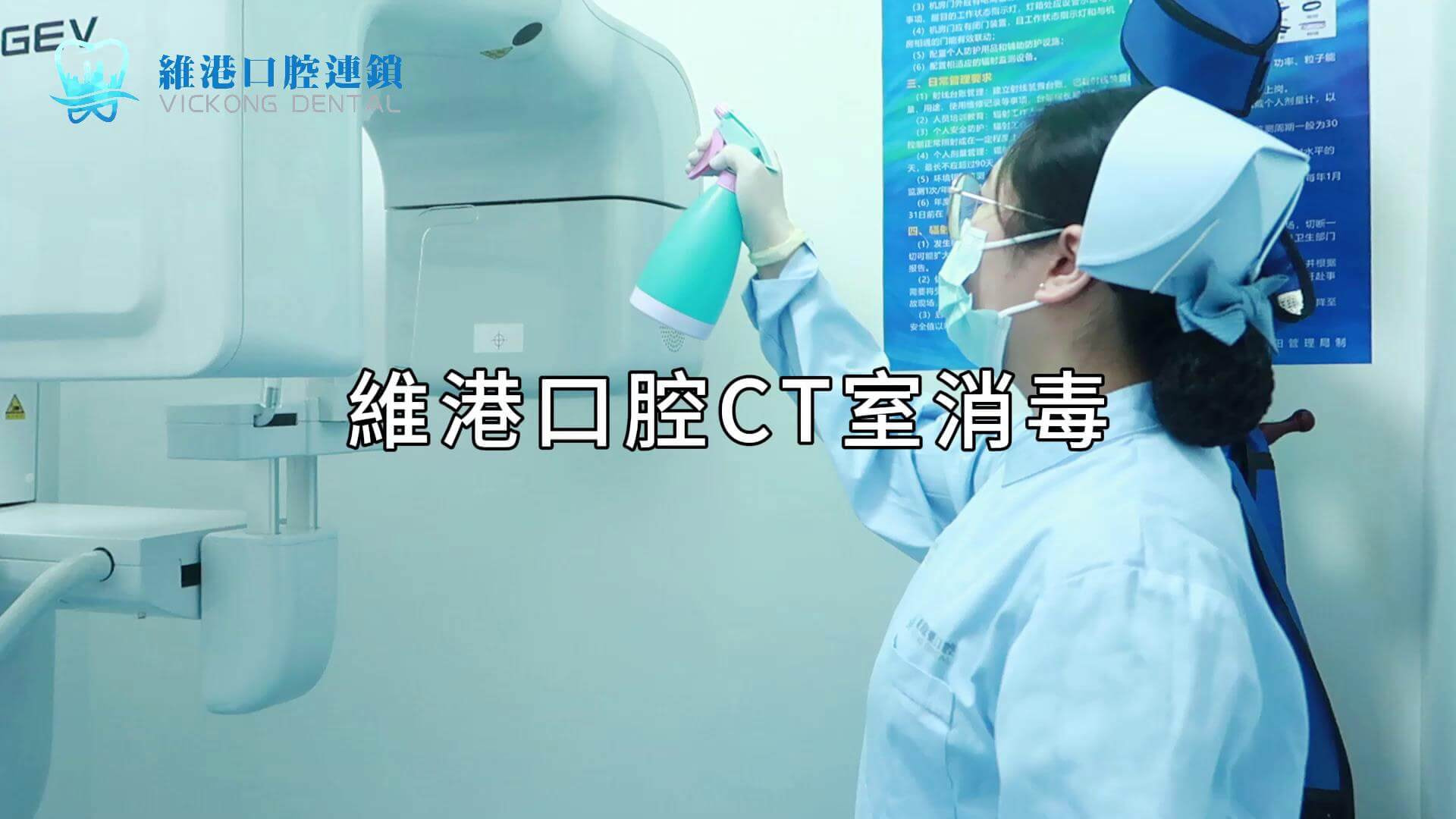
In addition to sedation, maintaining a sterile environment is vital for preventing infections. Dentists should adhere to strict infection control protocols, including the use of gloves, masks, and sterilized instruments. Ensuring a clean workspace fosters patient trust and minimizes complication risks.
Moreover, effective communication is crucial. Dentists should explain the procedure in an understandable manner, addressing any concerns or questions patients may have. This open dialogue helps in reducing fear and helps patients to be more relaxed during their visit.
3. Effective Procedural Techniques
The actual execution of the root canal procedure requires precision and expertise. The first step is access preparation, where the dentist creates an opening in the crown of the tooth to gain access to the pulp chamber. It’s crucial to be meticulous at this stage to avoid damaging surrounding structures.
Once access is granted, cleaning and shaping the root canals follow. This step involves removing infected tissue and debris while shaping the canals for optimal sealing later. The use of advanced instruments, such as rotary endodontic tools, can enhance efficiency and accuracy throughout this process.
Finally, the canals need to be filled with a biocompatible material, commonly gutta-percha, to seal them off from any future infections. Effective sealing prevents bacteria from reinvading the tooth, which is essential for the long-term success of the treatment.
4. Post-Treatment Care and Follow-Up
Once the root canal treatment is completed, appropriate post-treatment care is vital for healing and recovery. Patients should be given clear instructions regarding oral hygiene practices, dietary restrictions, and any symptoms to watch out for during recovery. This information empowers patients to take charge of their healing process.
Follow-up appointments are equally important to monitor the treatments success and ensure proper healing. During these visits, dentists can assess the tooth’s status through check-ups and imaging, addressing any complications that might arise early on.
Additionally, educating patients on the importance of regular dental check-ups post-treatment can reinforce good oral hygiene practices. These visits help in catching potential issues before they escalate, ensuring the longevity of the treated tooth.
Summary:
In conclusion, ensuring safety and success in root canal treatment is crucial for optimal oral health. By following guidelines that encompass proper diagnosis, patient comfort, effective techniques, and extensive post-treatment care, both dental professionals and patients can navigate the challenges of root canal therapy confidently.
This article is compiled by Vickong Dental and the content is for reference only.