Summary: Root canal treatment is a crucial procedure aimed at addressing dental issues while preserving the natural tooth. This article delves into essential precautions that can ensure successful outcomes during such procedures. By exploring aspects such as comprehensive diagnosis, infection control, effective anesthesia, and careful post-operative care, we can minimize potential risks associated with root canal treatment. With a detailed understanding of these precautions, dentists and patients alike can navigate this intricate process with confidence, resulting in improved dental health and satisfaction.
1. Comprehensive Diagnosis Before Procedure

Accurate diagnosis is the cornerstone of successful root canal treatment. It begins with a thorough examination of the patients dental history and an assessment of symptoms. Dentists should perform diagnostic imaging, such as X-rays, to visualize the extent of infection and the condition of the tooth. Understanding the specific challenges of each case will help in crafting a tailored treatment plan.
Moreover, identifying the presence of multiple canals in a tooth is essential, as some teeth, especially molars, may have complex canal systems. Failure to recognize this can lead to incomplete treatment and recurrent infections. Detailed imaging techniques, such as cone-beam computed tomography (CBCT), can provide invaluable insights into the architecture of the tooth and surrounding structures.
Lastly, accurate diagnosis includes ruling out systemic conditions that may impact treatment success. Conditions such as diabetes or immunocompromised states must be considered—these factors can significantly affect healing and infection risks.
2. Strict Infection Control Measures
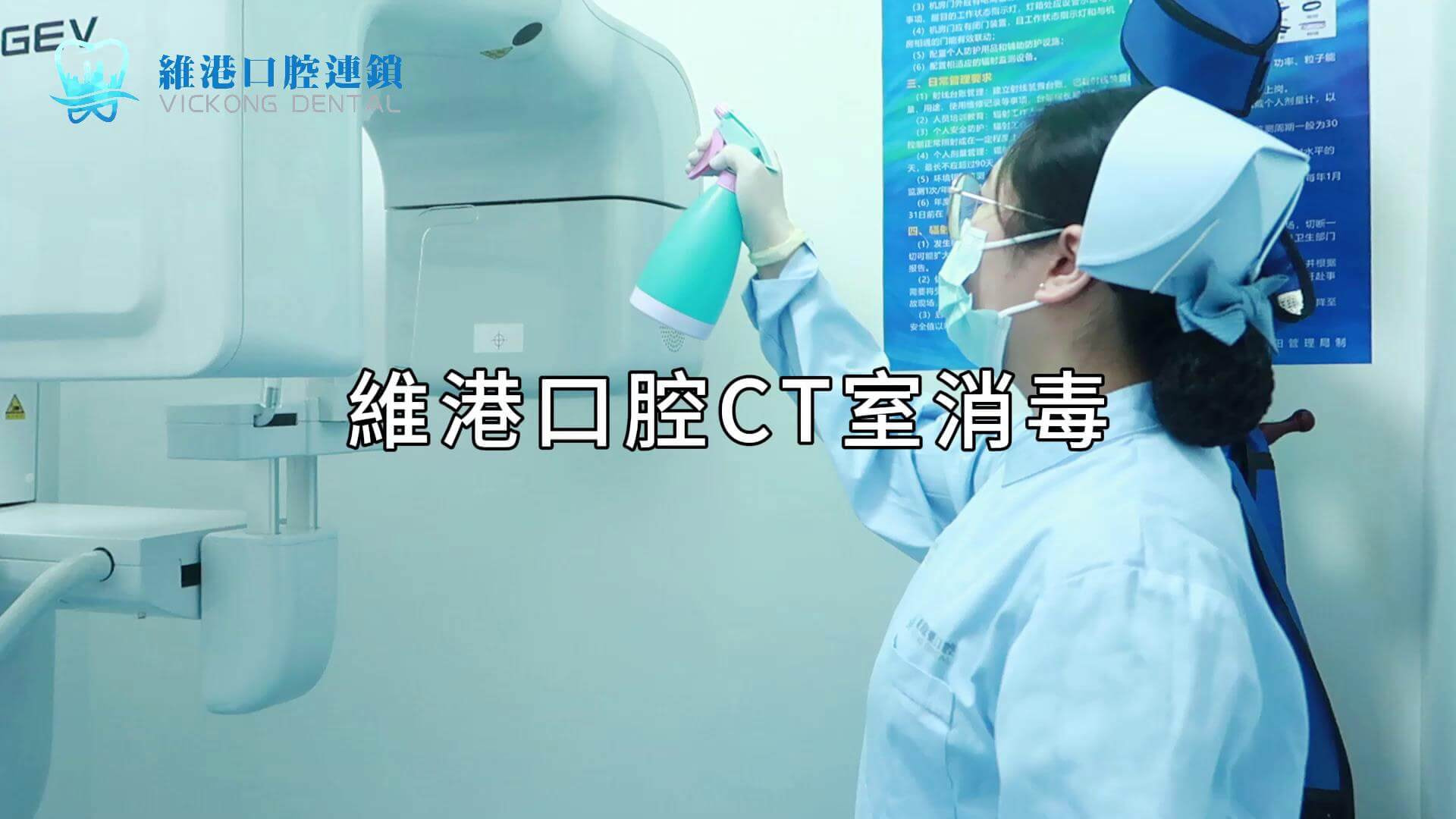
Infection control is paramount during root canal procedures. The mouth harbors numerous bacteria, and maintaining an aseptic environment is crucial to prevent post-operative infections. Dentists should adhere to strict sterilization protocols for instruments and use disposable equipment wherever possible.
The use of rubber dams during treatment serves as an effective barrier to isolate the tooth and keep it dry, which minimizes contamination. This isolation also enhances visibility, allowing for more precise work during the canal cleaning and filling processes.
Furthermore, proper hand hygiene and the use of personal protective equipment (PPE) for the dental team are essential. This includes gloves, masks, and eyewear to reduce the risk of spreading pathogens during the procedure.
3. Effective Anesthesia for Patient Comfort
An effective anesthesia plan is critical for ensuring patient comfort during root canal treatment. Dentists should thoroughly assess the patient’s pain tolerance and anxiety levels, as these factors can influence the choice and administration of anesthetics.
Local anesthesia is typically administered to numb the affected area, allowing for a pain-free experience. However, for patients with severe anxiety or complex cases, sedation options may be considered, offering a more relaxed treatment environment. Dentists should monitor the patient’s response to anesthesia throughout the procedure to address any discomfort immediately.
Post-procedure, patients should receive clear guidance on managing residual numbness and discomfort, including pain relief medications if necessary. Providing detailed instructions aids in effective recovery and enhances the overall treatment experience.
4. Careful Post-Operative Monitoring and Instructions
Post-operative care is critical for ensuring the long-term success of root canal treatment. After the procedure, patients should be closely monitored to assess for any signs of complications, such as infections or excessive bleeding. Dentists must provide clear post-operative instructions to patients, informing them about signs that warrant immediate attention.
Patients should be advised on oral hygiene practices to maintain the treated area, including gentle brushing and avoiding hard foods for a few days. Additionally, regular follow-up appointments allow the dentist to evaluate healing and intervene if any issues arise.
Understanding what to expect during the healing process helps alleviate patient anxiety and ensures they are proactive in their recovery. Encouraging open communication between patients and their dental team fosters trust and satisfaction with the treatment results.
Summary:
In conclusion, ensuring successful root canal treatment requires detailed precautions at every stage of the process. From comprehensive diagnosis and stringent infection control to effective anesthesia and careful post-operative care, each element plays a critical role in minimizing risks and enhancing patient outcomes. These precautions pave the way for a smooth treatment process, ultimately leading to healthier teeth and improved patient satisfaction.
This article is compiled by Vickong Dental and the content is for reference only.