Summary: Root canal treatments are essential for preserving decayed or infected teeth, yet they require meticulous attention to guidelines and precautions to ensure effective outcomes and patient safety. This article provides an in-depth exploration of four fundamental aspects of safe and effective root canal procedures: proper diagnosis and treatment planning, the implementation of aseptic techniques, the use of appropriate instrumentation, and effective post-treatment care. Each section delves into specific guidelines and best practices that dentists must adhere to, ultimately enhancing patient comfort and treatment success rates. By understanding and applying these essential guidelines, both dental professionals and patients can ensure a smooth root canal experience.
1. Proper Diagnosis and Treatment Planning
Accurate diagnosis is the cornerstone of a successful root canal treatment. Dentists should begin by thoroughly evaluating the patient’s dental history and conducting comprehensive clinical examination, including radiographs. These steps help identify the extent of the dental issue, allowing for an informed treatment plan that addresses individual patient needs.
Moreover, utilizing diagnostic tools such as pulp vitality tests and periapical radiographs ensures that the dentist makes precise assessments regarding the tooth’s condition. Understanding whether the pulp is vital or necrotic is crucial for deciding the course of the procedure. Without these essential steps in diagnosis, treatment may be compromised, leading to less effective outcomes.
Once a proper diagnosis is reached, the treatment plan must be clearly outlined. It should include details such as the type of anesthesia to be used, the anticipated duration of the procedure, and possible complications. Discussing this plan with the patient fosters transparency and trust, ensuring they are fully informed about what to expect during and after the procedure.
2. Implementation of Aseptic Techniques
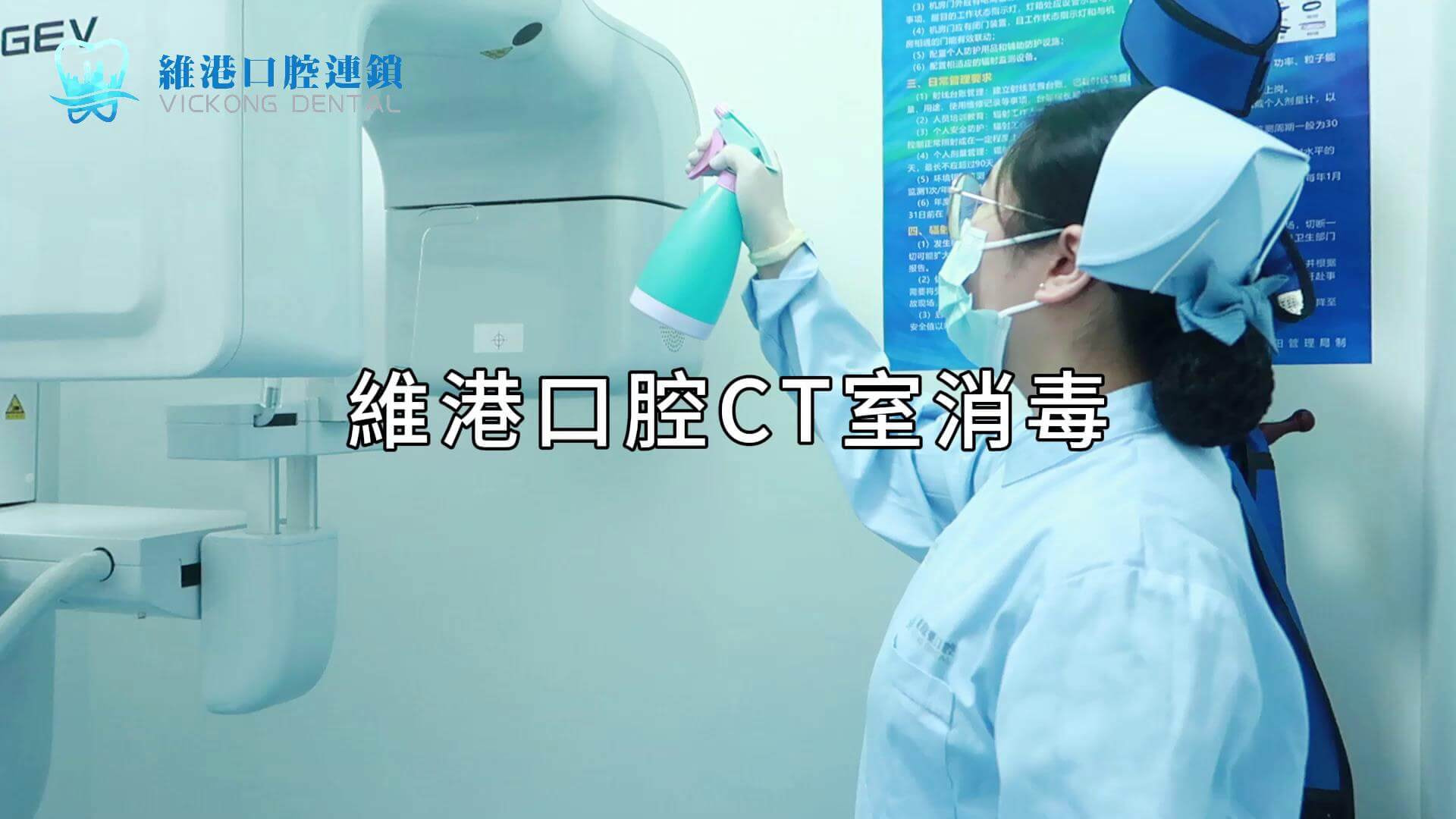
Aseptic techniques are vital in preventing infection during root canal treatments. Dentists must adhere to strict infection control protocols, including sterilization of instruments and the use of barriers such as gloves, masks, and protective eyewear. This precautionary approach aligns with best practices in dental healthcare and minimizes the risk of cross-contamination.
Before the procedure, the treatment area must be thoroughly disinfected, and the patients mouth may require rinsing with an antiseptic solution. This step not only protects the patient but also provides a sterile working environment for the dentist.
Additionally, utilizing a rubber dam during the procedure cannot be overstated. The rubber dam isolates the tooth from the rest of the mouth, preventing saliva from contaminating the area and ensuring a clear view of the treatment site. This simple yet effective tool enhances both the safety and success rate of root canal treatments.
3. Use of Appropriate Instrumentation
The selection of appropriate instrumentation is critical for effective root canal procedures. The dentist should choose endodontic files that are compatible with the anatomy of the tooth being treated. These files come in various sizes and shapes to navigate the root canals effectively without causing damage or perforation.
Furthermore, the use of rotary instruments has revolutionized root canal techniques, providing more efficiency and less manual labor compared to traditional hand files. The reduced time spent on each procedure enhances patient comfort, as lengthy treatments can often lead to increased anxiety and discomfort.
During the procedure, proper irrigation solutions should be used to cleanse and disinfect the root canal system. Sodium hypochlorite is commonly utilized for its ability to dissolve organic material and effectively kill bacteria. Ensuring that these instruments and materials are used correctly contributes significantly to the procedure’s overall success.
4. Effective Post-Treatment Care
After completing the root canal treatment, providing effective post-treatment care is essential for a smooth recovery process. Dentists should furnish patients with detailed aftercare instructions, covering aspects such as pain management, dietary restrictions, and signs of potential complications.
Managing post-operative pain through prescribed medications or recommendations for over-the-counter pain relief can greatly enhance patient comfort. Clear communication about the expected duration for recovery and what sensations to anticipate can alleviate anxiety for many patients.
Finally, scheduling follow-up appointments to monitor healing is also crucial. These visits allow the dentist to address any concerns or complications that may arise and ensure that the tooth remains asymptomatic and functional. Consistent follow-up contributes to both patient satisfaction and long-term treatment success.
Summary:
This article emphasizes the importance of adhering to essential guidelines and precautions for safe and effective root canal procedures. By focusing on proper diagnosis, aseptic techniques, appropriate instrumentation, and effective post-treatment care, dentists can significantly improve patient outcomes and satisfaction. Following these guidelines not only enhances the safety of the procedure but also builds trust and confidence between the dental professional and patients.
This article is compiled by Vickong Dental and the content is for reference only.