Summary: Root canal treatment is a necessary procedure for saving a tooth affected by infection or decay. However, to achieve the best outcomes, patients must adhere to certain essential guidelines and precautions before undergoing the procedure. This article will outline four key areas of focus: understanding the procedure, choosing the right dental professional, preparing for the treatment, and post-treatment care. Each area will provide insights into what patients should do to ensure optimal results and minimize their discomfort and risks. By following these recommendations, patients can enhance their experience and promote effective healing afterwards.
1. Understanding the Root Canal Procedure

Before undergoing root canal treatment, it is crucial to have a clear understanding of what the procedure entails. Essentially, a root canal is performed to remove infected or damaged pulp from inside the tooth, which helps to eliminate pain and save the tooth from extraction. Familiarizing yourself with the process can alleviate anxiety and prepare you mentally for what to expect.
Patients should learn about the typical steps involved in the procedure, which usually include taking X-rays, numbing the area with local anesthesia, removing the infected pulp, cleaning and disinfecting the canal, and ultimately sealing the tooth. Understanding these steps will help patients feel more secure about their treatment.
Additionally, being aware of potential risks and complications, such as the need for further treatment or the possibility of reinfection, can help set realistic expectations. This knowledge can empower patients to take an active role in their oral health journey.
2. Choosing a Qualified Dental Professional
The selection of a qualified dental professional is one of the most critical factors that influence the outcome of root canal treatment. Patients should take the time to research potential dentists or endodontists. This includes checking their credentials, experience, and success rates in performing root canals.
Recommendations from family, friends, or online reviews can also play a significant role in making a well-informed decision. It is vital to consult with the professional regarding their approach to patient care, sedation options, and expected outcomes, allowing you to gauge if they fit your needs.
Moreover, the right dental professional should explain the entire procedure clearly, answering all questions that arise, and offering reassurance regarding any concerns. This will help build trust, which is essential for a successful treatment experience.
3. Preparing for the Root Canal Treatment
Preparation before the procedure holds equal importance as understanding it and choosing the right practitioner. This involves several practical steps, starting with scheduling a thorough dental evaluation. This evaluation allows the dentist to assess the extent of damage and infection, as well as determine the best course of action.
Being transparent about your medical history, including any medications you are taking or existing health conditions, is also crucial. This information will help your dentist modify the treatment plan if necessary and ensure your safety during the procedure.
Additionally, patients should consider arranging transportation options for their visit, especially if sedation will be used. Planning accordingly can minimize stress on the day of the treatment, allowing for a more relaxed experience.
4. Managing Recovery and Post-Treatment Care
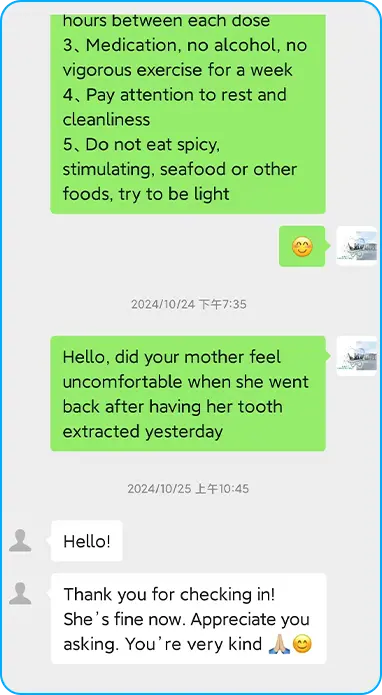
Post-treatment care is fundamental in ensuring optimal results after root canal therapy. Patients should follow the dentists guidelines regarding pain management and activity levels post-procedure. This may include taking prescribed medications and avoiding strenuous activities for a short period.
Hygiene is extremely important after a root canal. Patients are advised to continue brushing and flossing their teeth while avoiding the treated area until it has fully healed. Regular check-ups should also be scheduled to monitor the tooths condition and detect any potential complications early.
Most importantly, if any unusual symptoms arise, such as severe pain or swelling, patients should not hesitate to contact their dentist. Prompt communication can help address issues before they develop into more serious concerns.
Summary:
In summary, several guidelines and precautions can significantly impact the effectiveness and comfort of root canal treatment. It is essential to educate yourself about the procedure, choose a qualified dental professional, prepare adequately, and manage post-treatment care effectively. By following these recommendations, patients can reduce anxiety, optimize recovery, and protect their oral health.
This article is compiled by Vickong Dental and the content is for reference only.