Summary: Root canal treatment is a crucial dental procedure aimed at saving infected teeth and relieving pain. To ensure positive patient outcomes, numerous essential precautions must be observed throughout the treatment process. This article discusses the importance of thorough patient assessment, effective infection control measures, the utilization of advanced techniques and technologies, and the significance of aftercare and follow-up appointments. By adhering to these vital precautions, dental practitioners can enhance the safety and success of root canal procedures, ultimately benefiting patient health and satisfaction.
1. Importance of Patient Assessment Before Treatment
Before initiating a root canal treatment, a thorough patient assessment is critical. This includes a detailed medical and dental history, allowing the dentist to identify any underlying conditions that may affect the procedure. Conditions such as diabetes, heart disease, or other systemic issues must be understood prior to treatment.
Diagnostic imaging, like X-rays, plays a pivotal role in assessing the extent of infection and the condition of the tooths roots. This visual information helps the dental professional plan the procedure effectively, minimizing complications during treatment.
Moreover, discussing potential risks and expected outcomes with the patient ensures they are adequately informed and prepared mentally for the procedure. This collaborative approach fosters trust and enhances the overall experience for the patient.
2. Implementing Infection Control Measures
Infection control is paramount during root canal procedures to prevent complications and promote successful healing. Dental practitioners must adhere to strict sterilization protocols, including the use of autoclaved instruments and disposable materials wherever possible. This minimizes the risk of cross-contamination.
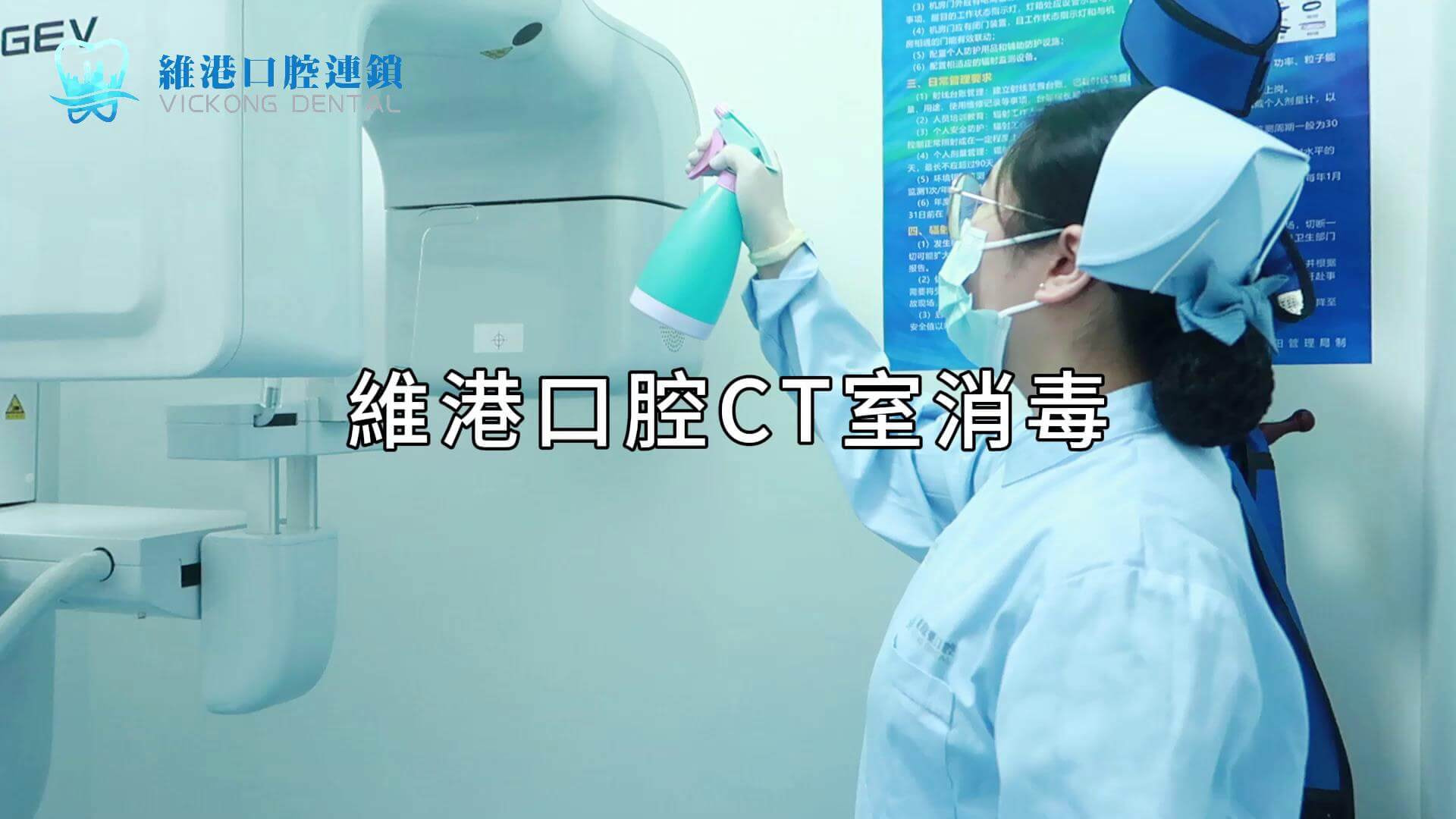
Furthermore, maintaining a clean and sterile working environment is essential. This includes using barriers such as gloves and masks, and ensuring the treatment area is disinfected before and after each patient. These practices not only protect the dental team but also safeguard the patient’s health.
Using rubber dams during treatment is another effective infection control measure. This technique isolates the tooth being treated and prevents oral bacteria from entering the root canal system, thereby enhancing the chances of a successful outcome.
3. Utilizing Advanced Techniques and Technologies
The advent of modern dental technologies has transformed the landscape of root canal treatments. Using digital imaging techniques provides more accurate diagnoses and treatment plans, allowing for more effective interventions. Cone beam computed tomography (CBCT) is one such technology that offers 3D imaging of the tooth structure.
Additionally, advancements in root canal instrumentation, including rotary endodontic files, have streamlined the procedure. These tools allow for faster and more efficient cleaning and shaping of the root canal system, which can significantly reduce treatment times and improve success rates.
Moreover, the incorporation of laser therapy in endodontics has shown promising results in disinfection and shaping of the canals. Utilizing these advanced techniques not only enhances treatment efficacy but also improves patient comfort at every stage of the process.
4. Importance of Aftercare and Follow-Up Appointments
Proper aftercare is vital for recovery following a root canal. Patients should receive detailed instructions regarding pain management, swelling control, and signs of potential complications. Educating patients on what to expect in the days following the procedure prepares them for a smoother recovery.
Follow-up appointments are equally important to monitor healing and antimicrobial effectiveness. These visits provide an opportunity for the dentist to assess the treatments success and address any lingering issues the patient might have.
By prioritizing aftercare and follow-ups, dental professionals reinforce their commitment to patient health, ensuring that any complications are addressed quickly and that the patient feels supported throughout their recovery journey.
Summary:
In conclusion, the success of root canal treatment heavily relies on essential precautions such as thorough patient assessment, stringent infection control measures, the use of modern technologies, and diligent aftercare. These elements work synergistically to optimize patient outcomes, reduce discomfort, and promote effective healing.
By equipping themselves with knowledge and skills in these areas, dental practitioners can ensure not only the health of their patients but also their own professional satisfaction through successful treatment outcomes.
This article is compiled by Vickong Dental and the content is for reference only