Summary: Root canal treatment can seem intimidating, but understanding essential tips and precautions can make all the difference in ensuring a smooth experience. This article outlines four key aspects to consider before undergoing the procedure, including choosing the right dental professional, preparing for the treatment day, aftercare instructions, and recognizing signs of complications. Each section provides detailed guidance to help patients feel comfortable and informed, ultimately leading to a successful root canal experience. With the right knowledge and support, patients can navigate this necessary procedure with confidence and ease.
1. Choosing the Right Dental Professional

Selecting a qualified and experienced dentist or endodontist is critical for a successful root canal treatment. Research various dental professionals in your area, looking into their credentials, specializations, and patient reviews. A dentist who specializes in endodontics has additional training in treating dental pulp and performing root canals, and this can significantly affect the outcome.
Its advisable to schedule an initial consultation with your chosen dental professional. During this visit, inquire about their approach to root canal treatment, the techniques they use, and the equipment they employ. Feeling comfortable with your dentist will ease any anxiety you may have and build trust between you.
Furthermore, don’t hesitate to ask for referrals from friends or family. Personal recommendations can provide valuable insight into the dentist’s mannerisms and treatment effectiveness that online reviews may not fully convey.
2. Preparing for Treatment Day
Preparation for the day of the root canal treatment can help alleviate anxiety. First, confirm your appointment a day prior to ensure there are no last-minute changes. Additionally, it’s essential to arrange for someone to drive you to and from the appointment, especially if sedation methods will be used.
Prior to the appointment, avoid consuming food or drink for a few hours if sedation is involved. Being clear-headed and without lingering food in your system can make the treatment process smoother. Dress comfortably on the day of the procedure so you can relax during the treatment.
Consider bringing distractions such as music or a book for your waiting time. Familiarizing yourself with the dental office’s atmosphere can also ease any nervousness. A friendly chat with the dental staff can help you feel more at ease as you wait for your treatment to begin.
3. Following Aftercare Instructions
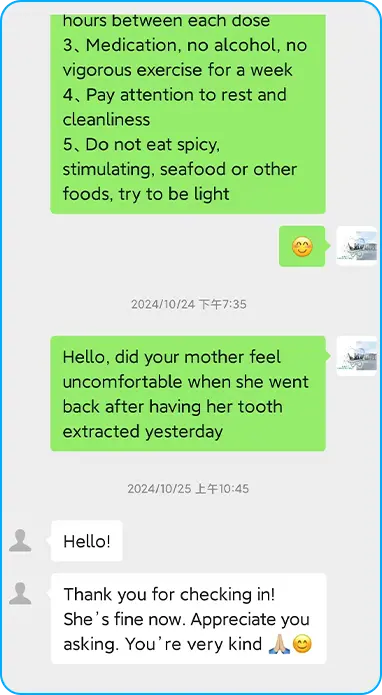
After the root canal is completed, listening to and following aftercare instructions is crucial for proper healing. Most dentists will provide you with a set of guidelines, which may include how to manage discomfort or swelling. Over-the-counter pain medications are often recommended to help reduce any post-treatment pain.
Its also important to pay attention to your diet during the recovery phase. Sticking to soft foods and avoiding anything overly hot or cold can minimize discomfort. Limit sugary and acidic foods, which could irritate the treated area.
Moreover, maintain excellent oral hygiene practices; however, be gentle in the area of the root canal. Brushing and flossing should continue as usual, but with extra care taken around the treated tooth. Regular follow-ups with your dentist will ensure that the healing process is progressing as it should.
4. Recognizing Signs of Complications
While complications from root canal treatments are rare, being aware of potential warning signs is crucial. Immediately contact your dentist if you experience severe pain, swelling, or persistent bleeding after the procedure. These symptoms may indicate an infection or other issues that require prompt attention.
Pay attention to changes in your bite or discomfort while chewing, as these could signify a problem with the root canal or surrounding teeth. Monitoring the treated tooth for unusual sensitivity to temperature or pressure is also essential for identifying potential complications early.
Regular check-ups and communication with your dental provider about any concerns can help catch complications before they worsen, ensuring your mouth remains healthy post-treatment.
Summary:
Understanding the essential tips and precautions for a successful root canal treatment can lay the foundation for a less stressful experience. From carefully selecting a dental professional to preparing for the procedure and following post-treatment care, you can take proactive steps toward a positive outcome. Recognizing complications also plays a pivotal role in safeguarding your oral health. By being informed and prepared, you can navigate this dental procedure with confidence.
This article is compiled by Vickong Dental and the content is for reference only.