**Why People Experience Pressure Sensation in the Tooth After Implant Surgery in Northern Regions**
In recent years, many individuals have opted to undergo dental treatments, especially dental implants, in the northern regions, citing advanced technology and a wider variety of options. However, its common for individuals to share post-surgery experiences of a "pressure sensation" in the tooth area, with some worrying if this indicates a problem. Actually, this sensation is quite typical in the early postoperative phase and has specific causes and ways to handle it.
**1. What is the "Pressure Sensation"?**
Post-surgery pressure sensation isnt necessarily painful. Its often described as the tooth area feeling somewhat rigid or as if something is pressing against it. This sensation can appear intermittently or persist for several days to even weeks, causing discomfort and concern for some individuals.
**2. Relation Between Implant Procedure and Pressure Sensation**
The dental implant procedure involves the insertion of an artificial tooth root (implant) into the jawbone. During surgery, steps such as administering anesthesia, incising the gum, and preparing the bone site can stimulate and wound the jawbone and gums. After surgery, the body begins its self-repair processes, leading to slight swelling or tension in the tissue, which can cause a feeling of pressure in the tooth area.
**3. Why Does Pressure Sensation Occur Post-Surgery?**
1. **Tissue Swelling**
Post-surgery, gums and surrounding tissues swell due to trauma response, narrowing the space around the tooth root area and creating a "pressed" feeling.
2. **Bone and Implant Integration Process**
A critical aspect of dental implants is the integration of the implant with the jawbone, a process known as "osseointegration." During this integration, bone cells continuously grow and envelop the implant, generating micro pressure around the tooth area, which naturally leads to a sensation.
3. **Bite Adaptation**
The newly implanted tooth may not fully adjust to the original dental archs bite force distribution, altering the pressure felt by the jawbone during chewing, initially leading to an unnatural feeling.
4. **Temporary Nerve Reaction**
The surgery can affect tiny nerves near the jawbone; during recovery, these nerves may transmit various sensations like numbness, soreness, or pressure, which is usually temporary.
**4.
Normal Situations vs. Signs to Watch Out For**
If the pressure sensation doesnt intensify, and isnt accompanied by persistent severe pain, gum pus, or implant loosening, it typically signifies normal recovery, diminishing gradually over weeks. However, if the sensation grows stronger or is accompanied by other abnormal symptoms, it’s crucial to visit a dentist promptly to prevent infection or implant failure.
**5. How to Alleviate Pressure Sensation**
- **Post-Surgery Cold Compress**: Applying a cold compress for the first couple of days can reduce swelling and pressure sensation.
- **Maintain Oral Hygiene**: Gently clean gums and teeth, avoid consuming overly hard or hot foods, and reduce irritation.
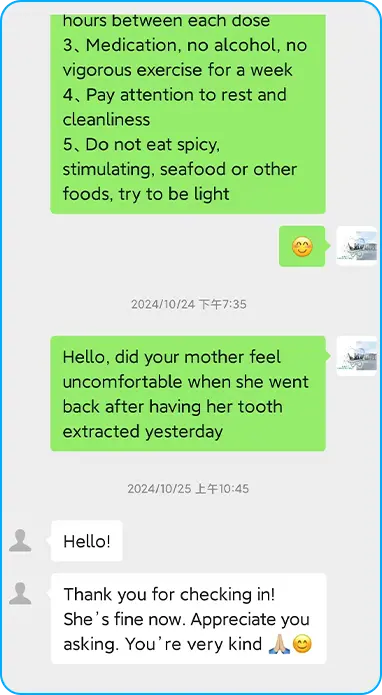
- **Follow Doctors Prescription**: Take prescribed painkillers and anti-inflammatory medications from your dentist to alleviate discomfort.
- **Avoid Excessive Chewing**: Initially, minimize chewing hard foods with the newly implanted tooth area to allow gradual adaptation to the pressure.
- **Regular Check-ups**: Follow up with regular dentist visits to check the implant integration and report any discomfort immediately.
**6. Psychological Adaptation Period**
Post-surgery pressure sensation is not just a physical reaction; psychological factors play a role too. Many patients newly experiencing dental implants become particularly sensitive to having an "artificial object" in their mouth, which can amplify various sensations. Over time, as you adapt to the new occlusion and oral shape, the sensation will naturally diminish.
**7. Postoperative Care is Crucial**
Regardless of whether the implant is done in northern regions or locally, postoperative care is essential to ensure successful results. Besides adhering to your dentist’s instructions, pay attention to your dietary habits and chewing method; avoid being rushed to test the implant. Allow the implant space to integrate with the jawbone slowly, leading to gradual disappearance of the pressure sensation and stable, long-lasting implantation effects.
In summary, experiencing pressure sensation post-dental implant in northern regions is a normal recovery phenomenon in many cases, primarily due to swelling, osseointegration, and bite adaptation. If there are concerns, a follow-up examination will provide reassurance, ensuring oral health. The key lies in patience and careful care to fully enjoy the comfort and confidence a new tooth brings.