# How Many Appointments Are Necessary for Root Canal Treatment in Mainland China?
In recent years, many Hong Kong residents have opted for dental treatments in mainland China. The reasons for this trend are varied: some feel theres a greater selection and more advanced equipment, while others believe the services are more comprehensive. However, when it comes to complex dental procedures like root canal treatment, one of the most common concerns is, "How many visits will it take to complete?" The answer isnt one-size-fits-all, as it depends on numerous factors.
## What is Root Canal Treatment?
In simple terms, root canal treatment involves removing infected or inflamed dental pulp (nerves and blood vessels) from inside the tooth. The dentist cleans out the damaged tissue, thoroughly disinfects the area, and then seals the root canals with a filling material to prevent reinfection. This procedure is crucial for saving the tooth, as failing to treat it could lead to tooth extraction.
## The Root Canal Process in Mainland China
Whether in Hong Kong or mainland China, a root canal treatment typically requires multiple appointments. Many patients initially believe it can be finished swiftly, only to be told by the dentist that several visits are necessary. This is because root canal therapy is a meticulous process, where its essential to completely remove bacteria and damaged tissue before moving onto the next step.
### First Visit: Examination and Initial Treatment
During the first visit, the dentist will conduct an examination and make a diagnosis, potentially taking an X-ray to identify the extent of the infection. Anesthesia is administered, and the infected pulp is removed. Given the narrow and intricate nature of the root canals, specialized tools are necessary for careful cleaning, a step that demands time and observation of the tooths response.
### How Many Visits are Required?
In many cases, completing a root canal treatment can take two to three visits, or even more. The first session typically focuses on cleaning and disinfecting the canal. The dentist places medication in the root canal to reduce deep-seated inflammation, and after a few days to a week, a follow-up visit is necessary to check for ongoing pain or swelling. Subsequent visits ensure all bacteria are eliminated, and the final step involves permanently sealing the root canal and fitting a temporary or permanent c
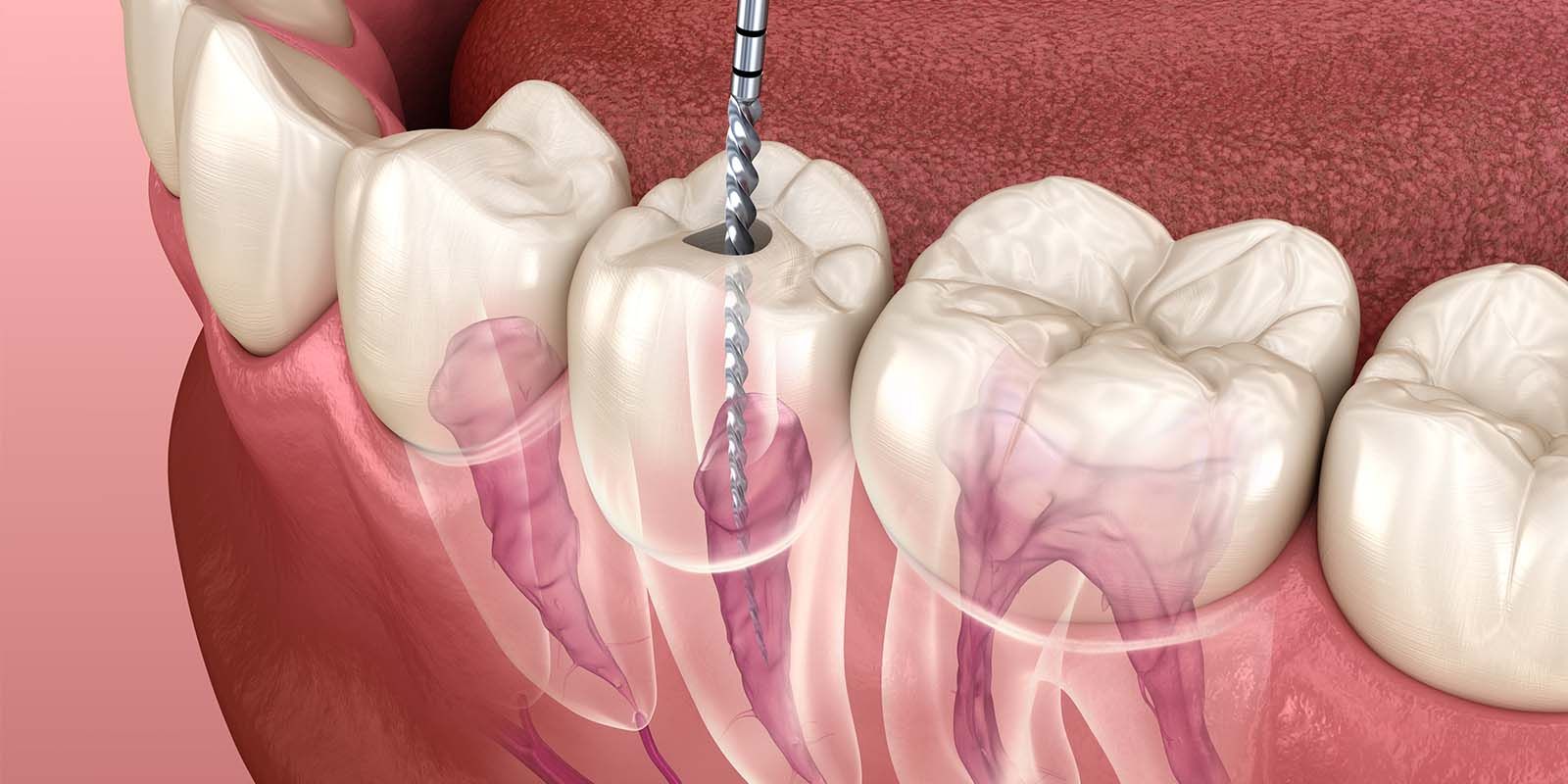
rown for protection.
If the tooth is severely infected or the root structure particularly complex (such as having multiple curved canals), more visits might be necessary to ensure thorough treatment. Sometimes, after the initial cleaning, if inflammation persists, more time might be needed for the condition to subside, extending the overall treatment duration.
## Important Considerations for Mainland Treatments
When opting for root canal treatment in mainland China, consider these key points due to differences in healthcare systems:
1. **Scheduling**: Since the procedure requires multiple visits, plan your trips carefully to avoid interruptions in the treatment process.
2. **Document Retention**: Keep all X-rays, medical records, and dentist recommendations. This information is crucial if you return to Hong Kong for continued treatment.
3. **Clear Communication**: Communicate with the dentist in your preferred language to fully understand each step and associated risks. Don’t hesitate to ask questions if something is unclear.
4. **Clinic Hygiene and Equipment**: Choose dental clinics that maintain high standards of cleanliness and equipment condition to ensure confidence in your treatment.
## When Can It Be Completed in One Visit?
While multiple visits are typical, some cases may be resolved in a single visit if the condition is mild, the tooth structure is straightforward, and the dentist is highly skilled, with advanced equipment at their disposal. However, even if completed in one session, follow-up checks are necessary to avoid recurrence. A single-session treatment doesnt eliminate the risk of incomplete care, which could lead to future infections.
## Conclusion
Deciding to undergo root canal treatment in mainland China requires an understanding that the number of visits needed depends on the tooths condition and the dentists evaluation. Typically, treatments occur over two to three sessions, but severe infections or complex structures might necessitate more. Speed should not be prioritized over thoroughness because root canal treatment is vital for tooth preservation and longevity. When planning a visit to mainland China for dental care, ensure your schedule and transportation arrangements allow for all necessary appointments to prevent treatment disruptions. Proper preparation and patience are key to successfully completing the procedure and maintaining long-term dental health.